

genus Juniperus
- noun
- /ˈdʒiːnəs ˈdʒuːnɪpərəs/
- Specialized
- The genus Juniperus includes species that provide the berries used to flavor gin.
Examples
-
Many members of the genus Juniperus are popular as ornamental plants in gardens.
-
Botanists are still discovering new species within the genus Juniperus in remote regions.
-
The genus Juniperus includes many species of trees.
-
Many gardeners prefer the genus Juniperus for landscaping.
-
The genus Juniperus is essential for understanding the biodiversity of coniferous trees in cold climates.
-
Within the genus Juniperus, there are several species that thrive in dry, rocky soils.
-
Plants from the genus Juniperus are often used in traditional medicine for their health benefits.
Synonyms
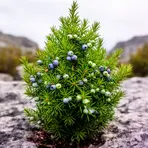
An evergreen tree or shrub with small needle-like leaves and round, berry-like cones
Surface Forms
Morphology
The phrase is fully compositional: 'genus' names a biological rank and 'Juniperus' is the taxonomic name, so the phrase literally denotes the genus called Juniperus. This taxonomic naming pattern (rank + name) is cross-linguistically regular, so a B1 learner who knows both constituents can readily infer the meaning.
Etymology
Genus Juniperus gets its name from the old Latin word juniperus, and one popular story says that word may come from a root meaning 'young' because many juniper plants stay low and bushy like small trees. So the name fits this group of evergreen shrubs and trees, the ones that also make the berries used to flavor gin.

