

genus
 2
7.5

- noun
- /ˈdʒɛnəs/
- So they're in the same genus, different species.
- genus and species
- a single genus
- genus of the family
Loading YouTube…
Watch on YouTubeWe predicate species and genus of individual things.
- We predicate species and genus of individual things.
- It's a simple genus, which is the result of this.
Examples
-
Furthermore, it is from the states that the genus of our major federal environmental laws emerged.
Academic text (2009) -
As we examined our prize, it seemed obvious that it belonged to no genus and species that had ever before been described.
Academic text (2003) -
Can we get extra extra credit if we classify the fossil by genus and species?
-
For Steiner, the opposite of individual is not "society" but "genus."
Academic text (1991) -
There is a genus of legless lizards that have front legs but no visible hind legs.
Blog text (19) -
With a few exceptions, the SIVs found in monkeys of the genus Cercopithecus tend to show molecular similarities.
Academic text (2004) -
Microscopic analysis of these internal components can often assign genus (in common terms, pine, oak, etc.) very accurately.
Academic text (2003) -
Because of their size, as well as the extreme irregularity of bamboo flowering, the genus is the bane of the collector's existence.
Academic text (1991) -
The biologist classified the new plant as belonging to the genus Rosa, which includes all roses.
-
Scientists have discovered a new species within the genus Panthera, which is known for big cats like lions and tigers.
Synonyms
 ∞
1.0
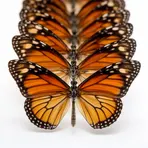
A group of things or people that share the same features
 685
2.7
A group of things or people that have the same features
 5
9.1
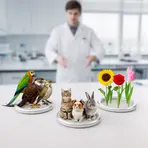
A group of living things that scientists put together, like a species or family


 1
7.0
A set of living things that are put together because they are related, for example lions and tigers
 1
3.4
A group of plants or animals put together because they share traits
 1
6.8
A rank in the classification of living things like species or family that shows how they are related
Compounds


- Specialized
1
8.8
A group of hawks with broad wings like buzzards that soar over open land



- Specialized
1
9.9
Small South American monkeys called titis that have long soft fur and bushy tails



- Specialized
1
7.7
A group of plants like true lilies with large beautiful flowers often grown in gardens


- Specialized
1
6.1
A group of prickly bushes and climbing plants that includes all true roses

- Archaic
1
9.9
A group of extinct early human ancestors like Australopithecus robustus

- Specialized
1
9.9
A temporary group for living things, often fossils, whose relations to others are unclear

- Specialized
1
9.9
A large group of herbs and small shrubs in the pea family found in northern temperate regions

- Specialized
1
9.9
A group of large birds that live near water, like stone curlews and their relatives





- Specialized
1
7.7
A group of rodents that includes common rats with slanted upper front teeth


- Specialized
1
8.5
A group of bacteria that live in the human and animal gut and help the body break down food
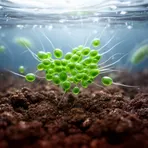
- Specialized
1
9.9
A group of small, single-celled green algae with two tail-like flagella found in fresh water and damp soil

- Specialized
1
8.1
A group of rod-shaped bacteria that live with little oxygen and often in soil or animal intestines



- Specialized
1
9.1
A group of large ground squirrels found in North America, Europe, and Asia

- Specialized
1
9.9
Large aggressive Australian ants that have strong jaws and painful stings
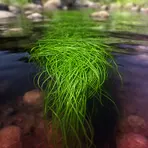
- Specialized
1
9.9
A group of freshwater green algae that grow as long thin threads and often float
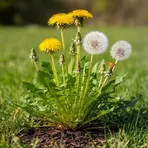
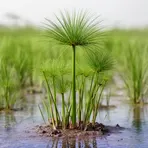
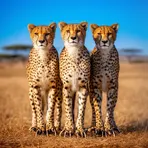


- Specialized
1
9.3
A group of evergreen trees from Asia that includes breadfruit and jackfruit

- Specialized
1
9.9
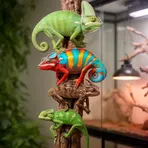
A group of chameleon species that includes the common pet chameleons

- Specialized
1
9.9
A group of deep-sea fish with skeletons made of cartilage, related to sharks

- Specialized
1
9.9
A group of South American trees whose bark gives quinine, a medicine for malaria
- Specialized
1
9.9
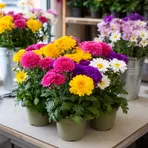
A group of flowering plants like chrysanthemums grown for bright flowers used by florists

- Specialized
1
9.9
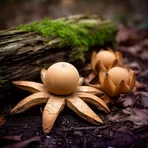
A fungus with a round body that opens into star-shaped parts when dry, called earthstars

- Specialized
1
7.2
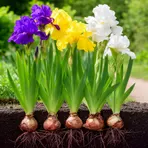
A group of flowering plants that grow from bulbs or underground stems, like common garden flowers with showy blooms
- Specialized
1
7.8
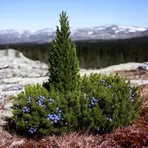
A group of evergreen trees and shrubs called junipers that grow in northern parts of the world
- Specialized
1
9.9
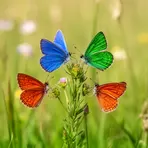
Small, thin butterflies that have bright blue, green, or copper upper wings

- Specialized
1
9.1
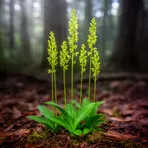
A group of flowering plants with bright, tube-shaped flowers often grown in gardens


- Specialized
1
8.7
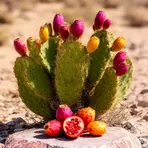
A group of cactus plants like prickly pears with flat spiny pads and edible fruit

- Specialized
1
7.7
A large group of bushes with bright flowers from cool northern areas

- Specialized
1
9.0
A group of flowering shrubs like currants and gooseberries that grow in the northern parts of the world
- Specialized
1
9.4
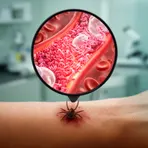
A group of bacteria that cause diseases like typhus and Rocky Mountain spotted fever in people

- Specialized
1
9.1
A brown seaweed that often floats in large mats on the ocean surface

- Specialized
1
9.9
A group of tall North American plants that live for several years with large yellow, sunflower-like flowers

- Specialized
1
8.1
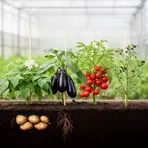
A group of plants that includes potato and eggplant in the nightshade family

- Specialized
1
6.3
A group of round bacteria, many of which cause skin infections, pneumonia and food poisoning


- Specialized
1
9.9
A small group of tropical trees like the portia tree that grow in warm coastal areas

- Specialized
1
8.5
A group of small herbs with a strong smell like thyme that grow in Europe, North Africa, and Asia

- Specialized
1
9.5
Spiral-shaped bacteria that live without oxygen and can cause disease in animals and humans


- Specialized
1
8.6
A group of small flowering plants with blue, pink, white, or purple flowers

- Specialized
A group of flowering plants that have two seed leaves when they start to grow


- Specialized
A group name for fungi seen only in their non-sexual stage, often causing plant disease
How General

Surface Forms
Etymology
Genus comes from the Latin genus, which means 'kind' or 'birth' and is the same root as the English words genre and generation. So a genus is a general 'kind' or class of things that share similar features.