

genus Bacteroides


 1
8.5
- noun
- /ˈdʒɛnəs bækˈtɛrɔɪdiːz/
- Specialized
- The genus Bacteroides plays a crucial role in the human digestive system.
Examples
-
Antibiotics can disrupt the balance of the genus Bacteroides in the microbiome.
-
The genus Bacteroides includes several species that are crucial for digestion.
-
Recent studies have explored the diversity within the genus Bacteroides found in animal guts.
-
Many studies focus on the genus Bacteroides in human microbiota.
-
The genus Bacteroides is essential for breaking down complex carbohydrates in the human gut.
-
Researchers have identified various species within the genus Bacteroides that help maintain gut health.
-
Alterations in the genus Bacteroides levels can impact overall digestive health in humans.
Synonyms
 1
9.7
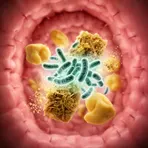
Bacteria that live in the human and animal gut and help digest food
Surface Forms
Morphology
The phrase simply combines the noun 'genus' (a taxonomic rank grouping related species) with the proper name 'Bacteroides' (a group of anaerobic gut bacteria), so its meaning — the taxonomic group called Bacteroides — is directly derivable from its parts. This is a regular, compositional scientific naming pattern common across languages, making it transparent to a learner who knows both constituents.
Etymology
Genus Bacteroides comes from old Greek parts: bacter meaning 'small rod' and -oides meaning 'like'. Imagine tiny rod-shaped bacteria living in the gut; that's why the name points to these rod-like bacteria commonly found in humans and animals.