

to sand
 27
3.5
27
3.5

- verb
- /sænd/
- It wasn't too bad, but a little sanding will make it better.
Loading YouTube…
Watch on YouTubeAnd so those little, little edges have been sanded down a little bit, those little rough edges.
- And so those little, little edges have been sanded down a little bit, those little rough edges.
- So this is all dried sanded, looks great.
- But to be honest, every sanding job ends with this.
- They all gather to look out onto the darkening sky and re sand rolls out the cake.
Examples
-
It is time to sand and apply the finish.
-
His father looked up from sanding the neck of a new violin.
Fiction book (1997) -
- I can sand it down a little.
-
You let the woman sand the deck?
-
I started to sand the floors.
-
All we got to do is sand and paint the cabin, dude.
Fiction book (2001) -
If you have the glass cut to size, be sure to sand the edges to prevent cut fingers.
Academic text (1994) -
That way we can start sanding right away, sir.
-
I've spent so many hours sanding stuff flat on them.
-
I need to sand the tabletop to make it smooth for painting.
Synonyms
 62
1.2
62
1.2
To rub material off a surface with something hard or sharp
 17
4.4
17
4.4
To polish something by rubbing until it is smooth or shiny
 5
6.7
5
6.7
To clean or shape a surface with a fast stream of sand
 2
6.1
2
6.1
Wear a surface away slowly by rubbing, or make someone very tired
 1
5.1
1
5.1
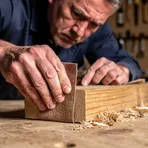
To rub a surface with rough paper to make it smooth
 1
4.7
1
4.7
To remove the top layer of something by rubbing it with sandpaper

To make a rough edge smooth by rubbing it with sandpaper
Antonyms

Idioms




Phrasal Verbs

Compounds







- US
1
8.2
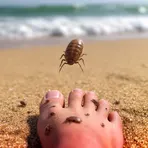
A large shark with sharp jagged teeth that lives in shallow water near the coast


- US
 1
8.4
1
8.4
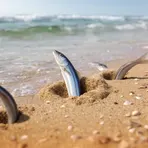
A small flat fish like a flounder from the west coast of North America eaten as food


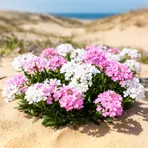
A low plant with groups of pink or white flowers that grows on sandy coasts
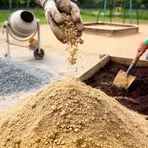
- Specialized
A type of sand with large rough grains used for building, gardening, or sports surfaces


A small snake with dark and light rings that moves through sand in the southwestern United States

- Specialized
A type of sand made mostly of small hard clear rock grains used to make glass

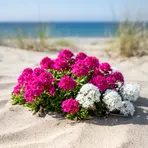
A low plant with clusters of deep pink or white flowers that grows on sandy areas near the sea
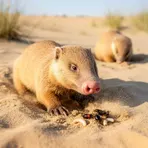
- Philippine
A small animal with a pig-like snout that lives in sandy places and digs for insects

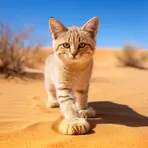

- US
A small shrub in North America that grows in sandy soil and has small dark fruit not good to eat
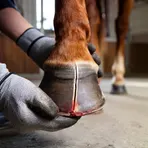

- US
A low evergreen bush with small white flowers, red berries, and leaves that turn red in autumn

A stiff bush that makes blackberries and grows in sandy soil in the eastern United States

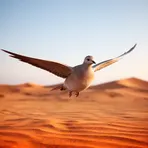
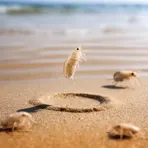


- Neologism
Digital money issued by the Central Bank of The Bahamas and used as legal money in the Bahamas



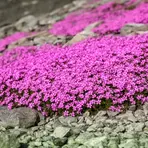
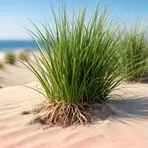


- UK
A grass-like plant that grows in sandy places like coastal dunes and helps hold the sand
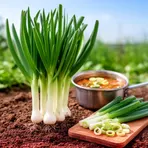
- UK
A European plant related to onions that people grow for its edible stems and leaves used in cooking

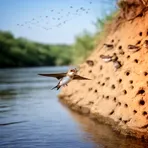
- UK
A small swallow that migrates, nests in holes in sandy riverbanks and eats insects
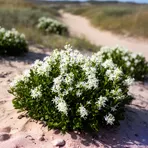


- Specialized
A growth in the coverings or inner parts of the brain that contains sandlike particles
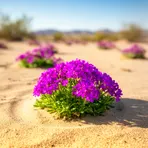
- US
A small plant with groups of bright flowers that grows in sandy areas of western North America and Mexico
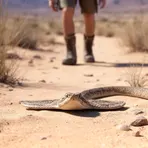
- US
A harmless North American snake with an upturned nose that flattens its head and sometimes plays dead when scared

A highly venomous viper from northern Africa and southwestern Asia with a small horn above each eye

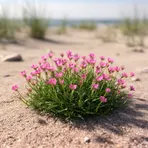

A small pale fish with eyes on stalks that buries itself in sand to ambush prey

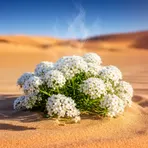
A plant that has sweet-smelling flowers and grows in sandy places like deserts

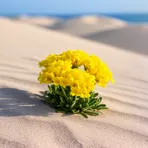
A plant on sand dunes with round clusters of yellow, trumpet-shaped flowers
How Smooth

Surface Forms
Etymology
The verb sand comes from the noun sand because people used sand to rub and smooth wood and other surfaces, so to sand something is 'to smooth' it with a rough material such as sandpaper.