
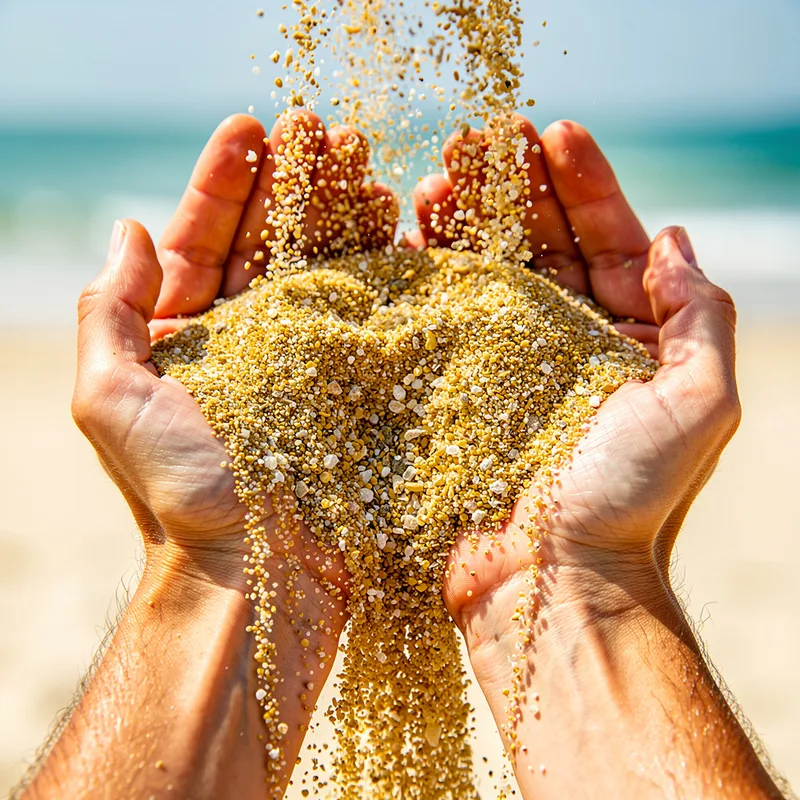
sand
 485
1.0
485
1.0

- noun
- /sænd/
- He ran his fingers through the warm, golden sand as he relaxed on the shore.
- beach sand
- sand dune
- sand and gravel
Loading YouTube…
Watch on YouTubeAnd there's no footprints in the sand, or so it seems.
- And there's no footprints in the sand, or so it seems.
- So it's really good to keep the sand out of the drain.
- If you collect some of those grains of sand, you get Uber wealth.
- OK, that's about the number of grains of sand on an average beach.
- The glass that's holding the sand used to be sand,
- Boundless and bare, the lone level sands stretch far away.
- Well, your soil is not just sand, silt and clay.
- Lying on shell and sand, he looked smaller than he was.
- Just rolling sand as far as you can see.
- Bright desert sands and even bright sand beaches are very bright.
- There was another one down there in the sand and he just took off.
- It stops line in the sand it it stops.
Examples
-
The children built a large sandcastle on the beach using wet sand.
-
Just you and me barefoot in the sand.
-
It's like the most perfect sand you ever did see.
-
So it's really good to keep the sand out of the drain.
-
I'm choosing the sand color right here.
-
So it's going to form sand, silt and clay.
-
They build their houses with sand and they play with empty shells.
-
The bottom was 500 tons of USGA-quality sand used as a fine drainage layer.
Academic text (1999) -
Boundless and bare, the lone level sands stretch far away.
-
The beach at Pisa 2 is now evolving as a mixed sand-and-gravel beach.
Academic text (2008)
Idioms




Compounds




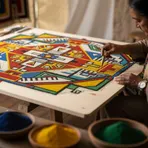
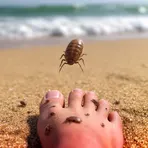


- US
1
8.2
A large shark with sharp jagged teeth that lives in shallow water near the coast
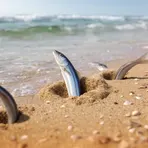


- US
 1
8.4
1
8.4
A small flat fish like a flounder from the west coast of North America eaten as food


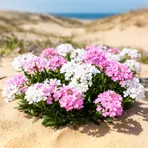
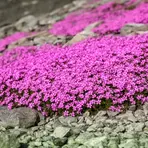
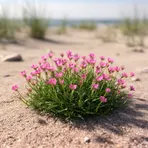
A low plant with groups of pink or white flowers that grows on sandy coasts

- Specialized
A type of sand with large rough grains used for building, gardening, or sports surfaces


A small snake with dark and light rings that moves through sand in the southwestern United States

- Specialized
A type of sand made mostly of small hard clear rock grains used to make glass

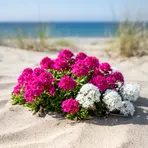
A low plant with clusters of deep pink or white flowers that grows on sandy areas near the sea
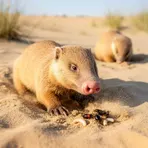
- Philippine
A small animal with a pig-like snout that lives in sandy places and digs for insects

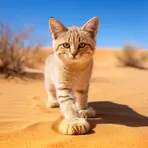

- US
A small shrub in North America that grows in sandy soil and has small dark fruit not good to eat
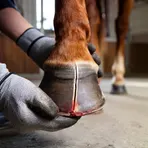

- US
A low evergreen bush with small white flowers, red berries, and leaves that turn red in autumn

A stiff bush that makes blackberries and grows in sandy soil in the eastern United States
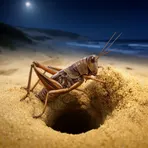
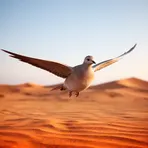
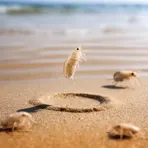


- Neologism
Digital money issued by the Central Bank of The Bahamas and used as legal money in the Bahamas





- UK
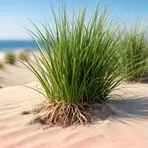
A grass-like plant that grows in sandy places like coastal dunes and helps hold the sand
- UK
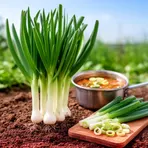
A European plant related to onions that people grow for its edible stems and leaves used in cooking

- UK
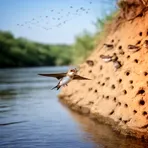
A small swallow that migrates, nests in holes in sandy riverbanks and eats insects
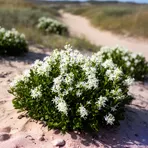


- Specialized
A growth in the coverings or inner parts of the brain that contains sandlike particles
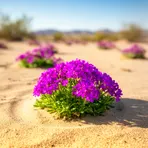
- US
A small plant with groups of bright flowers that grows in sandy areas of western North America and Mexico
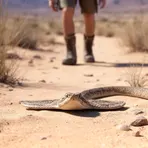
- US
A harmless North American snake with an upturned nose that flattens its head and sometimes plays dead when scared
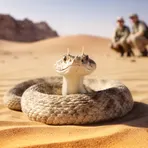
A highly venomous viper from northern Africa and southwestern Asia with a small horn above each eye


A small pale fish with eyes on stalks that buries itself in sand to ambush prey

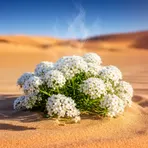
A plant that has sweet-smelling flowers and grows in sandy places like deserts

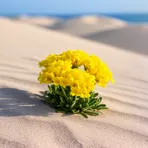
A plant on sand dunes with round clusters of yellow, trumpet-shaped flowers
How Coarse

Surface Forms
Etymology
Sand is a very old word used in many languages for the small grains you find on beaches and in deserts, which is why we also see it in simple words like sandcastle and sandpaper.