
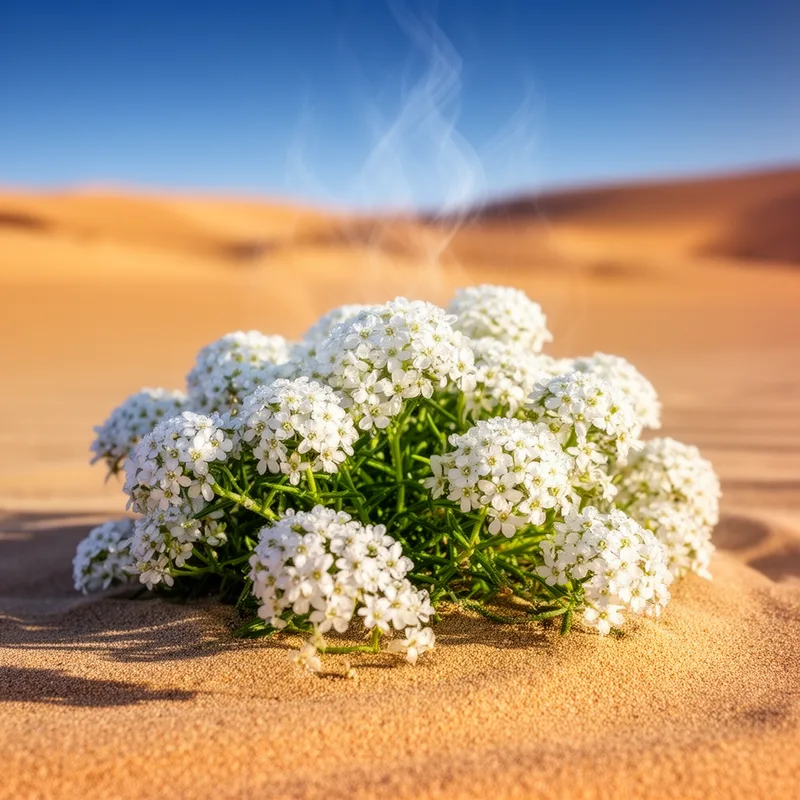
sweet sand verbena
- noun
- US
- Gardeners appreciate sweet sand verbena for its fragrant and attractive flowers.
Examples
-
We spotted a patch of sweet sand verbena while hiking through the sandy dunes.
-
The sweet sand verbena blooms profusely in the deserts during springtime.
-
Gardeners appreciate sweet sand verbena for its fragrant and attractive white flowers.
-
The sweet sand verbena blooms beautifully in the summer.
-
Have you seen the sweet sand verbena in our garden?
-
The sweet sand verbena blooms profusely in the deserts during springtime.
-
We spotted a patch of sweet sand verbena while hiking through the sandy dunes.
Synonyms

A plant with sweet-smelling white trumpet-shaped flowers that grows in sandy dry places
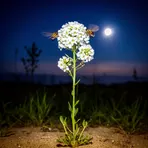
A tall wildflower with white sweet-smelling flowers that open at night
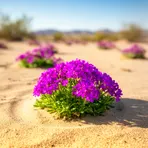
A small plant with groups of bright flowers that grows in sandy areas of western North America and Mexico
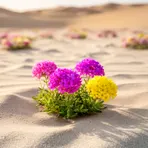
A small flowering plant with bright flowers that grows in sandy places
How Fragrant

Surface Forms
Morphology
The name is fully descriptive: 'verbena' identifies the plant, modified by 'sand' (indicating habitat) and 'sweet' (indicating a pleasant scent), so the meaning 'a fragrant verbena that grows in sandy areas' is directly derivable from the constituents. This follows common noun-modifier composition patterns found cross-linguistically, making it immediately comprehensible to a B1 learner who knows the individual words.
Etymology
Sweet sand verbena simply describes the plant: sweet for its scent, sand for where it grows, and verbena for a group of flowering plants. So, the name points to a 'fragrant' flowering plant that lives in sandy places.

