

sand viper
- noun
- /sænd ˈvaɪpər/
- US
- When threatened, the sand viper may flatten its head to appear larger.
Examples
-
Despite its name, the sand viper poses no danger to humans.
-
The sand viper is known for its ability to play dead when disturbed.
-
The sand viper is often mistaken for venomous snakes because of its appearance.
-
The sand viper is often found in dry, sandy areas.
-
Did you see the sand viper in the garden?
-
In the wild, the sand viper spreads its neck to appear more intimidating.
-
I spotted a sand viper lounging in the sun on a sandy dune.
Synonyms


 1
7.8
1
7.8
A small snake with an upturned nose that often plays dead and is usually harmless to people
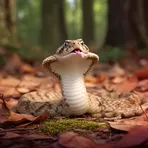
A harmless North American snake with an upturned nose that spreads its head and plays dead when scared

A harmless North American snake with a nose that points up that spreads its head or plays dead when scared
Surface Forms
Morphology
sand + viper
The compound 'sand viper' is transparently composed: it denotes a viper associated with sand (i.e., a snake species living in sandy habitats). A B1 learner who knows 'sand' and 'viper' will readily infer this basic meaning because noun+noun species/habitat compounds are common and cross-linguistically predictable.
Etymology
Sand viper comes from a simple picture: a snake found in sand that looks like a viper. That's why people call the North American snake a 'sand viper' even though it is usually 'harmless'.