

vulgaris
 1
9.9
1
9.9

- noun
- /vʌlˈɡɛrɪs/
- Archaic
- The normative European starling (Sturnus vulgaris) competes aggressively with native birds for nesting cavities.
- pemphigus vulgaris
- verruca vulgaris
- acne vulgaris
Examples
-
In ancient Rome, a vulgaris referred to a citizen who was not part of the elite class.
-
The peasant was considered part of the vulgaris, representing the common folk of society.
-
In medical terminology, the word "vulgaris" means common or ordinary.
Academic text (2007) -
We are briefly reviewing the seven "vulgaris" diseases of the skin.
Academic text (2007) -
Hereditary ichthyosis vulgaris is an autosomal dominant genetic disorder first evident in early childhood.
Academic text (2007) -
The key for the diagnosis of lupus vulgaris is the awareness of tuberculous etiology in any chronic ulcers.
Academic text (2007) -
Pemphigus vulgaris is an autoimmune skin disorder characterized by blistering of the skin and mucous membranes.
Academic text (2007) -
During the festival, people from all walks of life, including the vulgaris, gathered to celebrate.
Synonyms
 31
4.2
31
4.2
A person without a noble title who is an ordinary member of society
 30
2.0
30
2.0
An ordinary man without a title, rank, or special rights
 1
7.7
1
7.7
A person from the ordinary people with no special title
 1
1.4
1
1.4
A person who has no title and is an ordinary member of society


 1
6.1
1
6.1
An ordinary person who represents the public
Antonyms


Compounds

- Specialized
1
4.1
A common skin condition that causes pimples and blackheads, often in teenagers
- Specialized
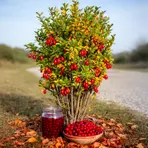
A small upright bush with leaves that fall in winter and red berries used in jams

- Specialized
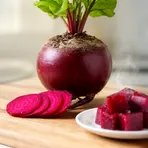
A plant from Europe and Asia with a swollen edible root grown for food like beetroot and sugar beet

- Specialized
A leafy green vegetable with large edible leaves and thick stalks used like spinach

- Specialized
A beet plant that farmers grow for cattle because it has a large yellow root
- Specialized
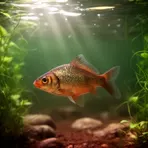
A small wild fish like a goldfish that lives in freshwater ponds and lakes
- Specialized
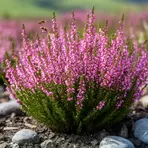
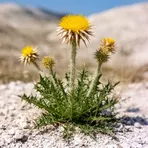
A spiny wildflower like a thistle with yellow flower heads that grows in dry sandy soil
- Specialized
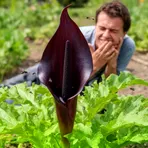
A plant with a large dark purple flower that smells very bad, called dragon arum
- Specialized
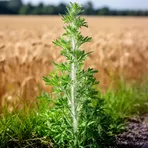
A common European herb called mugwort with hairy stems and green leaves


- Specialized
A tall bamboo plant with thin green and yellow stems that grows fast in warm countries

- Specialized
A small plant with bright yellow and orange flowers that often grows wild and spreads quickly

- Archaic
A long-lasting skin infection from tuberculosis that causes deep slow-healing sores on the face
- Specialized
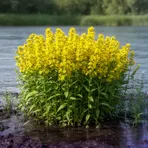
A perennial plant with yellow flowers that grows in damp places and spreads quickly
- Specialized
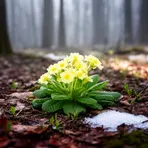
A small wild flower with pale yellow blooms that appears in early spring
- Specialized
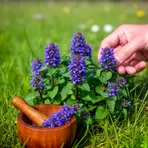
A low mint plant with small blue flowers that people use as medicine
- Specialized
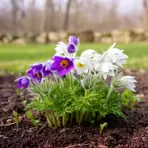
A small European plant that grows every year with violet or white flowers in spring
- Specialized
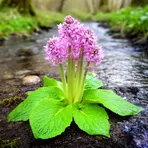
A small plant from Europe and Asia with large leaves and pink flowers that grows in wet places

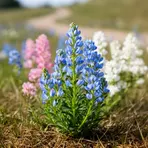
- Specialized
A small plant that lives for several years with branches and clusters of blue, pink, or white flowers

- Specialized
A small tree squirrel with reddish-brown fur and a bushy tail found in Europe and Asia


- Specialized
A shrub with heart-shaped leaves and clusters of fragrant purple or white flowers


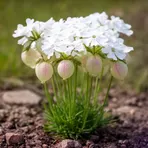
- Specialized
A plant that lives many years with large white flowers and a balloon-shaped cup under each flower


- Specialized
A common wasp with yellow and black stripes that lives in large groups
How Common

Surface Forms
Etymology
Vulgaris as a noun comes from the Latin vulgus 'the crowd' and was used for a person of the common people rather than the nobles. That's why a medieval vulgaris simply means a common or lay person.