

Polygala vulgaris
- noun
- Specialized
- The field was dotted with the delicate blue flowers of Polygala vulgaris.
Examples
-
We found a thriving patch of Polygala vulgaris growing alongside the country path.
-
Some herbalists once used Polygala vulgaris in remedies to promote lactation.
-
The Polygala vulgaris blooms beautifully in the spring.
-
I found a patch of Polygala vulgaris in the meadow.
-
The field was dotted with the delicate blue flowers of Polygala vulgaris.
-
We found a thriving patch of Polygala vulgaris growing alongside the country path.
-
The Polygala vulgaris blooms beautifully in the spring.
Synonyms
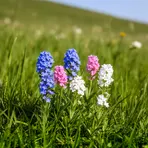
A small European plant that lives for several years and often grows in meadows, with blue, pink, or white flowers
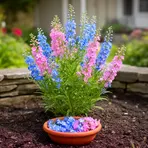
A small European plant with many branches and blue or pink flowers
Surface Forms
Morphology
This is a Latin binomial combining a genus name ('Polygala' = a group of flowering plants) with an epithet ('vulgaris' = widespread/common), so a learner who knows both constituents can infer it denotes a common species of Polygala (i.e. a plant). However, the specific botanical details and the fact that it is a particular species are specialized and proper-name-like, so the full definitional content is not predictable from the parts alone.
Etymology
Polygala vulgaris may come from old words poly meaning 'many' and gala meaning 'milk', because people once used the plant to help mothers make milk. The second word vulgaris means 'common', so the full name suggests a 'common' plant believed to help with milk production.

