

Polygala
- noun
- /ˌpɒlɪˈɡeɪlə/
- Specialized
- Polygala species are known for their brightly colored flowers and wide distribution across temperate regions.
Examples
-
The herbal remedy was prepared from the roots of Polygala senega.
-
The Polygala plant thrives in sunny environments.
-
Researchers collected several samples of Polygala during their field study in South America.
-
Many gardeners love the beautiful flowers of Polygala.
-
The garden was filled with colorful flowers, including polygala, which added a unique charm to the landscape.
-
Many gardeners appreciate polygala for its delicate blossoms and ability to thrive in well-drained soil.
-
In herbal medicine, certain species of polygala are used for their potential health benefits.
Synonyms
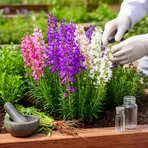
A group of flowering plants often called milkworts and used in medicine
Compounds
- Specialized
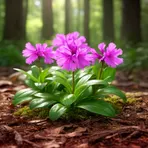
A small flowering plant from eastern North America with pink-purple flowers and leaves like wintergreen
- Specialized
A group of flowering plants often called milkworts and used in medicine
- Specialized
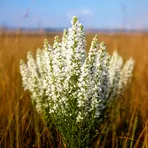
A bushy plant with white flowers that lives many years in the central and southern United States
- Specialized
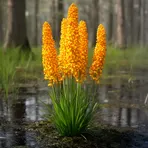
A plant that grows in wet, swampy places in the southeastern United States and has spikes of yellow-orange flowers
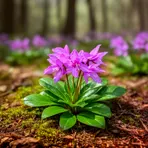
- Specialized
A low eastern North American plant with leaves like wintergreen and rosy-purple flowers with wing-like parts

- Specialized
A North American plant with small white flowers and roots people use as medicine
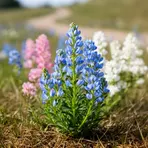
- Specialized
A small plant that lives for several years with branches and clusters of blue, pink, or white flowers
Surface Forms
Etymology
Polygala comes from Greek parts poly- 'many' and gala 'milk'. People once believed these flowering plants helped animals produce milk, so the name combines 'many' and 'milk' and explains why they are called milkworts.

