
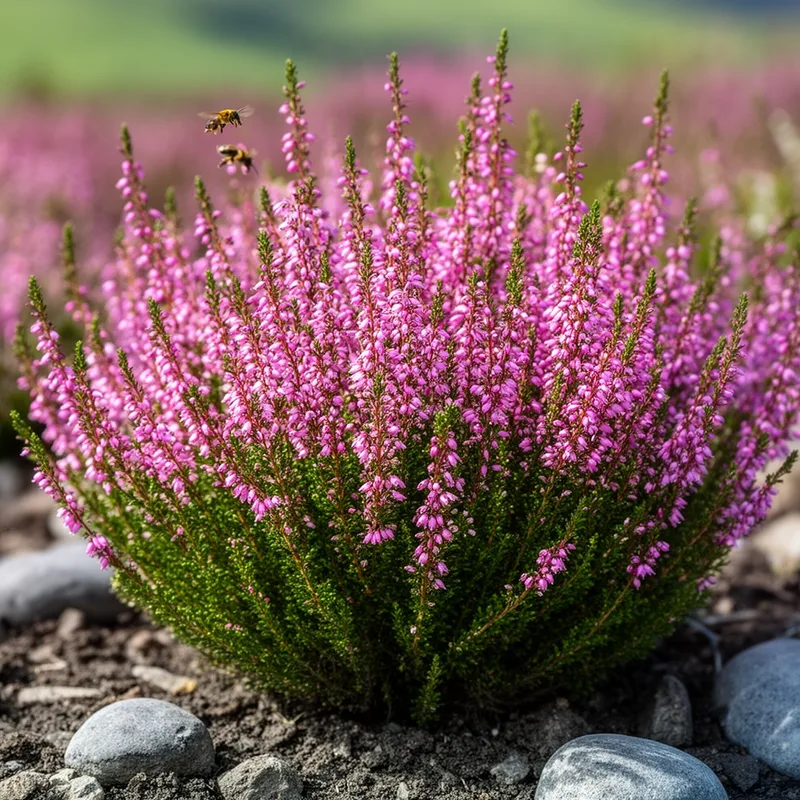
Calluna vulgaris
- noun
- /kəˈluːnə ˈvʌlɡərɪs/
- Specialized
- Many gardeners plant Calluna vulgaris to add color and texture to their rock gardens.
Examples
-
The hills of Scotland are blanketed with Calluna vulgaris during late summer.
-
Bees are often attracted to Calluna vulgaris for its abundant nectar.
-
The beautiful Calluna vulgaris blooms in the spring.
-
Many gardeners love Calluna vulgaris for its vibrant colors.
-
The hills of Scotland are blanketed with Calluna vulgaris during late summer.
-
Many gardeners plant Calluna vulgaris to add color and texture to their rock gardens.
-
Many gardeners love Calluna vulgaris for its vibrant colors.
Synonyms
 176
4.9
176
4.9

A low evergreen shrub with small purple or pink flowers that grows on moors

A low evergreen shrub with small pink or purple flowers found on moors
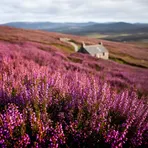
A low evergreen shrub with small purple or pink flowers that covers moors in Scotland
Surface Forms
Morphology
The binomial name combines the genus 'Calluna' (heather) with the Latin epithet 'vulgaris' meaning 'widespread/typical', so the overall meaning—the common or typical heather—is directly compositional from its parts. Botanical naming follows a regular, cross-linguistic pattern, so a learner who knows both constituents can infer the species sense without prior exposure.
Etymology
Calluna vulgaris may come from a Greek word meaning 'to beautify' and the Latin word vulgaris means 'common', so the name creates the picture of a 'common beautifier' that covers hills with pink or purple flowers and explains why it refers to the low, widely found shrub called heather.