

new
 ∞
1.0
∞
1.0

- adjective
- /nuː/
- This fall you can start speaking a new language with Babel.
Loading YouTube…
Watch on YouTubeIt's making an old, cool, nostalgic thing, new and current and fun.
- It's making an old, cool, nostalgic thing, new and current and fun.
- It actually science is a new form of theology.
Examples
-
It's modern because of the new approach to rhythm.
-
Amid the fame, red carpets and brand deals, Beckham pioneered a fresh new look of what a modern day footballer is.
-
This is such an interesting fusion of the traditional form with the new progressive style.
-
It's making an old, cool, nostalgic thing, new and current and fun.
-
Storm chasing is widely perceived as a new form of extreme sport or adventure travel.
Academic text (1999) -
The publicity barrage intensified after publication and set new standards of media attention.
Academic text (2011) -
Debri's message was that Libya, anxious for a new start, wanted to put Lockerbie behind it.
Academic text (1999) -
This software offers a new way to analyze data efficiently.
-
She is learning a new language to prepare for her trip abroad.
-
The team presented a new strategy to improve product sales.
Synonyms



Antonyms


Idioms














Compounds
 736
1.0
736
1.0
A very large city in the United States known for many landmarks and businesses


 168
1.0
168
1.0
A northeastern US state with Albany as capital and New York City as its largest city






 46
4.2
46
4.2
The continents of North and South America that Europeans settled from the late 1400s

 35
2.6
35
2.6
A large place in New York where people buy and sell shares of companies
 30
4.4
30
4.4
A set of government programs in the 1930s in the United States to fight the Great Depression









 8
4.1
8
4.1
A series of government reforms and programs in the United States from 1933 to 1940 under President Roosevelt
 8
4.1
8
4.1
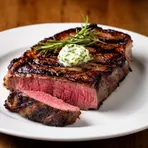
A tender cut of beef from the upper part of the cow's back often cooked as a steak





 3
4.6
3
4.6
A large government program of reforms and public spending based on 1930s United States policies
 3
7.5
3
7.5
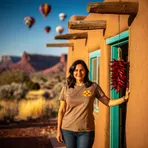
A movement in 1950s and 1960s French films that used new ways of telling stories and showing images





 1
5.3
1
5.3
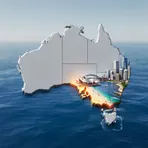
A solemn Jewish festival that marks the start of the year with prayers and the blowing of a horn




 1
5.9
1
5.9
A monkey from Central and South America with a flat nose and often a tail that can hold things
 1
3.3
1
3.3
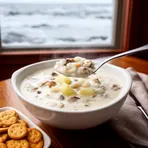
A thick creamy soup from New England made with clams, potatoes, onions, and milk

- Jargon
1
8.4
An effort by the Catholic Church to bring people back to faith where it is declining


- Formal
1
8.5
A form of Latin used since the Renaissance for science, study, and naming plants and animals
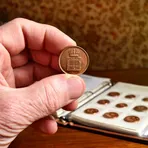

- NSFW
1
8.4
A communist armed group formed in 1969 to fight the Philippine government
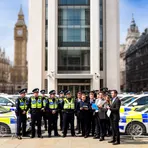





Two large bridges that cross the Mississippi River at New Orleans and carry vehicles

A country in the eastern half of New Guinea island in the southwest Pacific since 1975


- Australian
A very tall evergreen tree from New Caledonia that looks like a Norfolk Island pine

- Australian
A large evergreen tree from New Caledonia that is grown in Australia, New Zealand, and Hawaii

- Archaic
A way of studying literature that focuses on a text's language and form, not the author's life or history



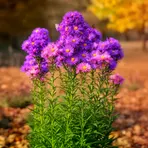
A plant that lives for many years with tall stems and purple or pink flower heads that blooms in autumn
How Modern

Surface Forms
Etymology
New means 'recent' or 'modern', so when we say new English we mean the current form of the language rather than the old form. So new marks the modern stage of a language.