

musculus
- noun
- /ˈmʌskjʊləs/
- In scientific contexts, the word musculus refers to a small mouse, highlighting its connection to muscle terminology.
- musculus (Mus)
- mouse (musculus)
- house mouse (Mus musculus)
Examples
-
The genus name musculus is derived from the Latin word for 'little mouse', linking it to the anatomy of various muscles.
-
The reservoir is the common house mouse, Mus musculus, but other rodents can become infected and transmit infection to humans.
Academic text (2014) -
Rodents (rats and mice, Mus musculus) pose threats to species primarily through nest depredation.
Academic text (2012) -
The Latin term musculus is often used in etymology to explain the origin of the word 'muscle'.
Compounds

- Specialized
A very large blue-grey whale that eats small sea animals and lives in oceans worldwide

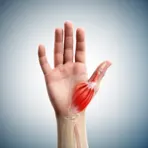
- Specialized
A small hand muscle that moves the little finger away from the other fingers
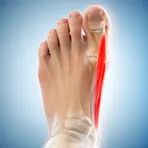
- Specialized
A small foot muscle that moves the little toe away from the other toes
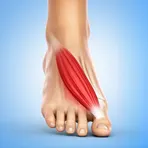
- Specialized
A foot muscle that moves the big toe away from the other toes and bends it

- Specialized
A muscle in the thumb that moves the thumb away from the hand

- Specialized
A short muscle in the inner thigh that pulls the leg toward the body

- Specialized
A foot muscle that pulls the big toe toward the other toes

- Specialized
A long muscle on the inner thigh that pulls the leg toward the body
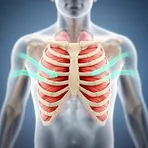
- Specialized
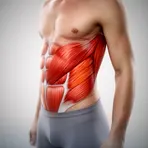
A flat muscle on the outside of the belly that helps twist the body and tighten the stomach area

- Specialized
A large muscle on each side of the chest that helps move the upper arm

- Specialized
A large chest muscle that pulls the arm toward the body and turns it inward

- Specialized
A thin muscle under the larger chest muscle that pulls the shoulder blade down or lifts the ribs

- Specialized
A large muscle at the front of the thigh that straightens the lower leg at the knee

- Specialized
A back muscle that pulls the shoulder blade toward the spine

- Specialized
A large inner thigh muscle that pulls the thigh toward the other leg and moves it backward at the hip
- Specialized
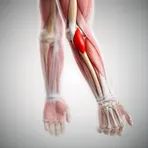
A small muscle by the elbow that helps straighten the forearm and turn the palm downward
- Specialized
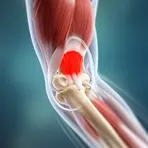
A small muscle from the back of the upper arm that helps move and steady the elbow joint
- Specialized
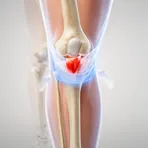
A small knee muscle that lifts the joint lining when you straighten your leg

- Specialized
A muscle in the upper arm that bends the elbow and turns the forearm so the palm faces up
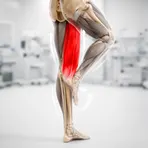
- Specialized
A muscle at the back of the thigh that bends the knee and turns the lower leg outward

- Specialized
A cheek muscle that flattens the cheek and pulls back the corner of the mouth

- Specialized
A large triangular muscle on the shoulder that lifts and moves the arm
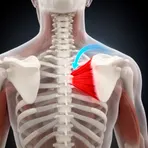
- Specialized
A small back muscle that pulls the shoulder blade toward the spine and slightly up
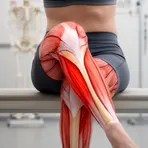

- Specialized
A ring of muscle in the eye that makes the pupil smaller in bright light

- Specialized
A ring of muscle at the end of the stomach that controls food entering the small intestine
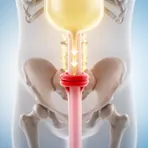
- Specialized
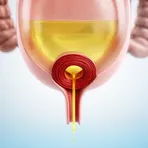
A muscle around the tube that carries urine that you can tighten to hold urine
- Specialized
A ring of muscle around the bladder opening that controls urine flow
- Specialized
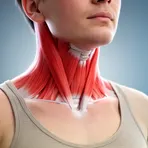
A thick neck muscle on each side that turns the head the other way and helps bend the neck

- Specialized
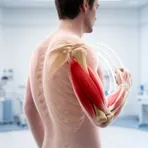
A large muscle on the side of the head that lifts the lower jaw to close the mouth
- Specialized
A muscle in the upper arm that pulls the arm back and turns it inward toward the body

- Specialized
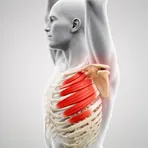
A neck muscle that connects neck bones to the first two ribs and helps breathing and head movement
- Specialized
A muscle at the side of the chest that lifts the shoulder blade and helps raise the ribs when breathing

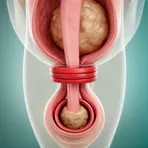
- Specialized
A ring of muscle around the anus that controls bowel movements
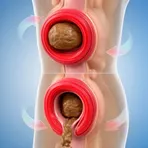
- Specialized
A ring of muscle around the anus that you use to stop or let out poop
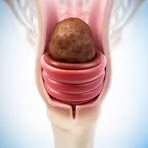
- Specialized
A ring of muscle inside the anus that keeps stool in without thinking

- Specialized
A muscle that controls the flow of bile into the small intestine

- Specialized
A muscle that controls the opening of the main tube from the pancreas to the small intestine

- Specialized
A small round shoulder muscle that pulls the arm toward the body and turns it outward


- Specialized
A deep flat muscle in the belly wall that helps keep organs in place and support the body

- Specialized
A large flat muscle on the upper back and shoulder that helps move the shoulder and neck

- Specialized
A large muscle at the back of the upper arm that straightens the elbow
Surface Forms
Etymology
Musculus literally means 'little mouse' in Latin because people once thought a moving muscle under the skin looked like a small mouse, and that image is why the English word muscle has its name.

