
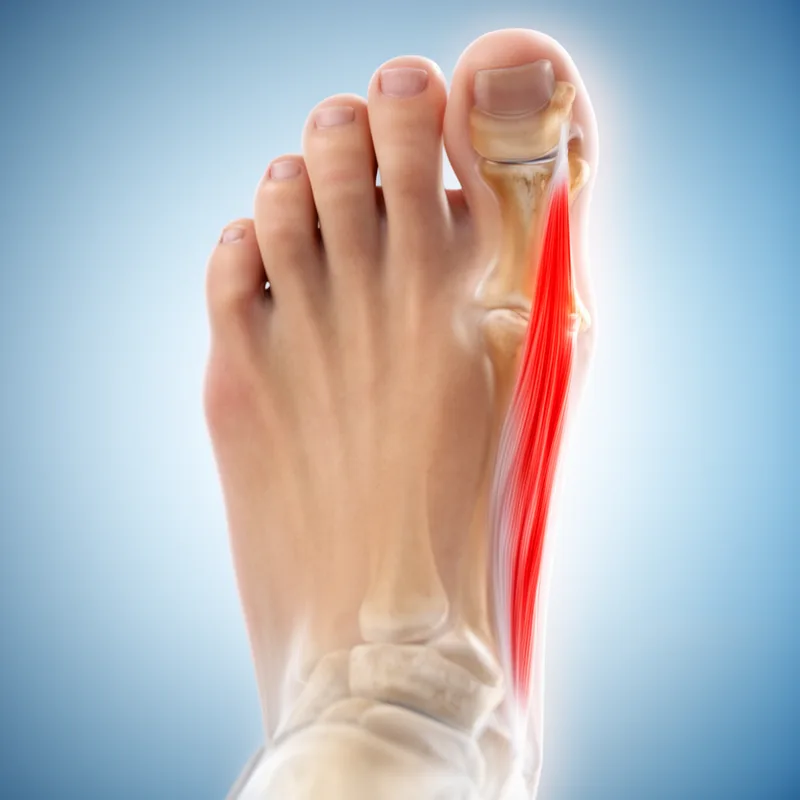
musculus abductor digiti minimi pedis
- noun
- Specialized
- The musculus abductor digiti minimi pedis is crucial in allowing the little toe to move outward from the rest of the foot.
Examples
-
Strengthening the musculus abductor digiti minimi pedis can help improve balance and foot stability.
-
Injuries to the musculus abductor digiti minimi pedis may cause pain on the outer side of the foot.
-
The musculus abductor digiti minimi pedis is essential for balance.
-
Injury to the musculus abductor digiti minimi pedis can cause pain.
-
The musculus abductor digiti minimi pedis assists in spreading the little toe away from the other toes during movement.
-
A sprain in the musculus abductor digiti minimi pedis can lead to difficulty in walking and discomfort in the foot.
-
Physical therapy often includes exercises targeting the musculus abductor digiti minimi pedis to enhance toe mobility.
Surface Forms
Morphology
musculus + abductor + digiti + minimus + pedis
This is a literal, compositional anatomical name: 'musculus' (muscle) + 'abductor' (one that pulls laterally) + 'digiti minimi' (little toe/digit) + 'pedis' (of the foot), so a learner who knows the constituents can infer it denotes the muscle that abducts the little toe. The term follows regular anatomical/Latin naming patterns (function + structure + location), which are predictable and cross-linguistically common, making it transparent to someone familiar with the parts.
Etymology
Musculus abductor digiti minimi pedis is a Latin name that tells you what the muscle does. The parts are clear: musculus means 'muscle', abductor means 'moves away', digiti minimi means 'little toe', and pedis means 'of the foot', so the name means the muscle that moves the little toe away from the other toes.

