
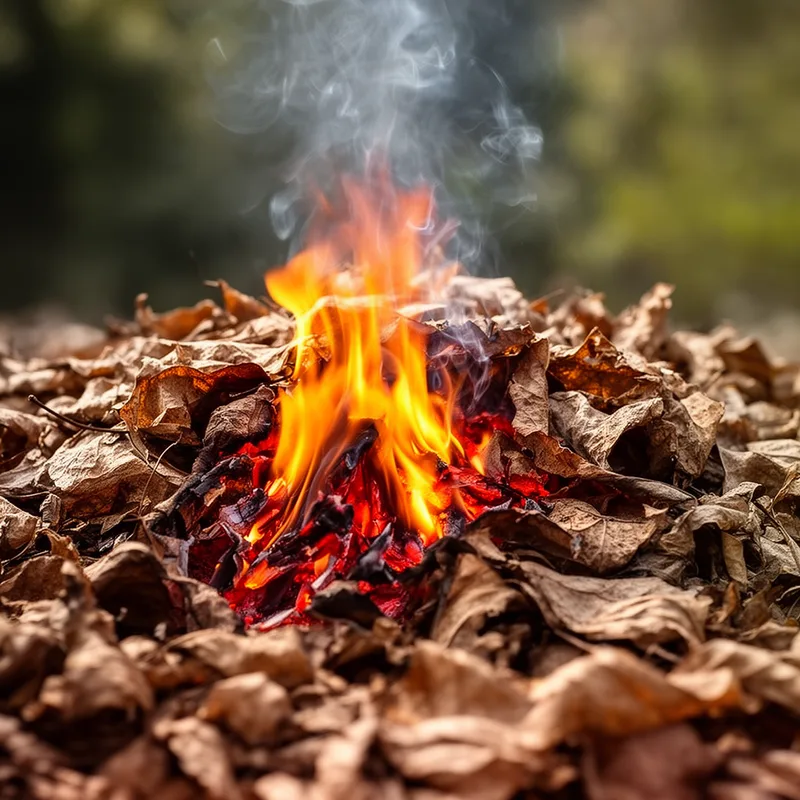
to combust
 8
7.4
8
7.4

- verb
- /kəmˈbʌst/
- The gaseous species of primary concern include sulfur and nitrogen, which, when combusted, are oxidized to sulfur and nitrogen oxides.
- combust 250 tons
- fuel is combusted
- gas is combusted
Loading YouTube…
Watch on YouTubeIf all of those shoes spontaneously combusted right now, which ones would you replace?
- If all of those shoes spontaneously combusted right now, which ones would you replace?
- And so how do you make your your ball spontaneously combust?
- It's not a fix, just me not driving it is working around the fact that it might spontaneously combust when an acorn falls on it.
- Maybe though, this is just combustor combusting things.
- And the cloud is made-up of the remnants of people who have turned into combusting carbon.
- Fire causing the the piece of wood to burn and combust and turn into something else, making ash, for example.
Examples
-
If I don't get an apartment soon, that house is going to spontaneously combust.
-
Because there is no oxygen in the reactor, the waste does not combust but decomposes.
Academic text (2000) -
The fuel is primed, but I cannot get it to combust.
-
There, a portion of the fuel is combusted without a flame.
Academic text (1998) -
Fire combusts fuel across its field of travel so that the consequences are broadly distributed.
Academic text (2001) -
Engines don't just spontaneously combust.
-
Methane gas is combusted and used as a heat supply for the plant and adjacent buildings.
Academic text (1998) -
With a major coal strike underway, Titanic had taken onboard cheap coal that caused it to combust deep within boiler room number six.
-
Pressurized oxygen is flammable and if it combusts, then it will explode.
-
The dry leaves caught fire quickly and began to combust as the flames spread.
Synonyms
 ∞
1.0
∞
1.0
To be on fire or damage something with heat
 110
3.0
110
3.0
Make something start burning
 76
6.5
76
6.5
To set fire to something on purpose
 66
4.0
66
4.0
To make something start burning
 32
2.6
32
2.6
To start burning suddenly
 17
1.0
17
1.0
To burn something to destroy it
 5
4.8
5
4.8
To make something start burning
 4
3.7
4
3.7
To make wood, paper, or other material start to burn
 3
4.6
3
4.6
To light up suddenly with a strong flame or bright light
 2
4.1
2
4.1
Make something start to burn
 1
5.1
1
5.1
To make something start burning
 1
4.2
1
4.2
To make something start burning
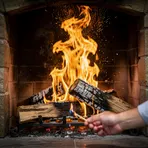 1
4.6
1
4.6
To suddenly start burning strongly or become much more intense
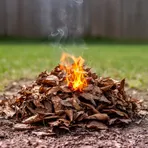

 1
4.8
1
4.8
Start burning and produce flames
 1
4.9
1
4.9
To start burning with a strong bright flame
 1
5.7
1
5.7
To make something start burning, for example paper or dry grass
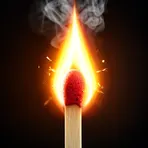
To start to burn suddenly and brightly
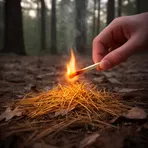
To set fire to something
To make something start to burn, like a fire or a strong feeling
Antonyms

How Strong

Surface Forms
Etymology
The word combust comes from Latin parts com- meaning 'together' and -bust meaning 'burn', like the English word burn. So to combust is to catch fire or start to burn.