
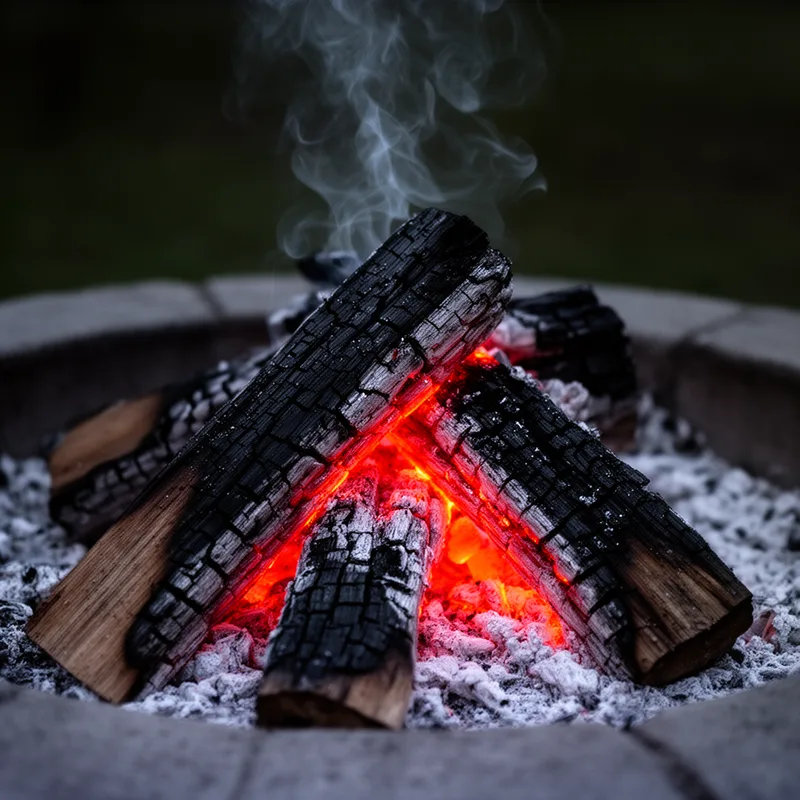
to smolder
 18
6.6
18
6.6

- verb
- /ˈsmoʊldər/
- US
- After the campfire died down, the ashes still smoldered for hours.
- smoldering fire
- smoldering embers
- smoldering garbage
Loading YouTube…
Watch on YouTubeWe're starting to smolder until the logs are getting hot, pine set bubbling out of them.
- We're starting to smolder until the logs are getting hot, pine set bubbling out of them.
Examples
-
And in the fireplace, dried dung smoldered beneath the big cookpot.
Fiction book (1998) -
Deep peat fires can smolder below the surface for months and are difficult to extinguish.
Academic text (2011) -
We'll lose a whole day!" The log began to smolder, filling the room with smoke.
Fiction book (1993) -
Yes, the building is still smoldering.
-
The fires in the Twin Towers continued to smolder for approximately three months after the attack.
Academic text (2009) -
The entire facility is smoldering, the last remnants of the fire burning itself to extinction.
Fiction book (1996) -
As the ROTC building smoldered, Kent Mayor Satrom called in the Ohio National Guard.
Academic text (2000) -
Crows swirled above the roof like ashes rising from a smoldering fire.
Academic text (2012) -
Then, through the pervasive aroma of spicy grilled meats, John detected smoldering sweetgrass.
Fiction book (1996) -
Stoves nearby began to hiss, and the fetid smoldering dung from Old Delhi breakfasts leached into the air.
Fiction book (1996)
Synonyms

Antonyms

How Hot

Surface Forms
Etymology
Smolder comes from an old word related to smoke, and it originally described a fire that 'burns slowly with smoke and no flame'. So when something smolders it quietly gives off heat and smoke instead of bright flames.