

to fumer
- verb
- If you overheat the pan, it will fumer and set off the smoke alarm.
Examples
-
The volcano began to fumer after months of silence, alarming nearby residents.
-
As the chemicals reacted, they started to fumer, releasing a pungent odor into the lab.
-
After the accident, the old bus started to fumer thick black smoke along the road.
-
The campfire fumed all night long.
-
Why does that car fume so much?
-
The old building began to fumer after the fire spread through the structure.
-
When he lit the barbecue, it began to fumer after the grease dripped onto the coals.
Synonyms

 ∞
1.0
∞
1.0

To be on fire or damage something with heat
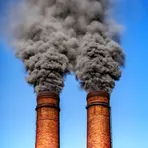 102
1.5
102
1.5
To send out a cloud of tiny particles and gas from burning
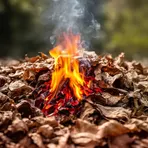 8
7.4
8
7.4
To catch fire or make something burn
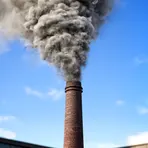 1
4.6
1
4.6
To give off visible smoke or gas from something
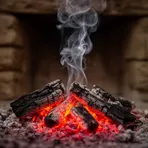 1
9.9
1
9.9
To send out smoke or mist, often slowly from a fire
How Smoky

Surface Forms
Etymology
Fumer comes from the Latin fumus, 'smoke', so to fumer is to give off smoke or fumes when something burns or has a chemical reaction.