
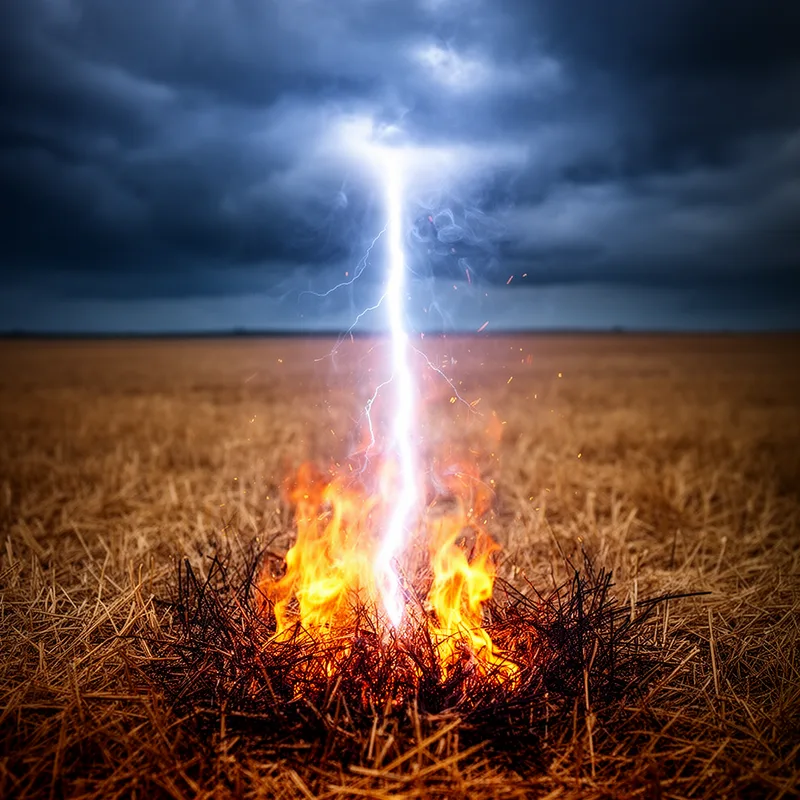
to set ablaze
 5
4.8
5
4.8

- phrasal verb
- /sɛt əˈbleɪz/
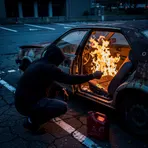
- Firefighters rushed to the scene to extinguish the car that had been set ablaze in the parking lot.
- buildings were set ablaze
- the house was set ablaze
- the car was set ablaze
Examples
-
During the protest, a barricade was set ablaze by demonstrators to symbolize their frustrations.
-
As the Bulgarians started pouring in, the wall was set ablaze and this forced the attackers to withdraw.
-
I led them to the woodshed and set it ablaze.
-
My car was flipped on its head and set ablaze in the street.
Academic text (2004) -
In their panic, they tipped the oil lamp and set the place ablaze.
Fiction book (1996) -
The home of the Cruz family was set ablaze soon after the abduction.
Blog text (4) -
Cars were set ablaze.
Academic text (1997) -
Choir members were also slain, after which the church and the pastor's house were set ablaze.
Blog text (2) -
In North Dakota, 144 members of the St. Lawrence Pentecostal Cult are feared dead after they set their compound ablaze.
-
In the center of the street, a pile of furniture, doused with kerosene and set ablaze, illuminated the area like daylight.
Fiction book (1991)
Synonyms
 ∞
1.0
∞
1.0
To be on fire or damage something with heat
 121
3.0
121
3.0
To destroy a building or object completely by fire
 110
3.0
110
3.0
Make something start burning
 76
6.5
76
6.5
To set fire to something on purpose
 66
4.0
66
4.0
To make something start burning
 33
7.1
33
7.1
To burn things like documents or waste until they turn to ash
 4
3.7
4
3.7
To make wood, paper, or other material start to burn
 2
4.1
2
4.1
Make something start to burn
 1
5.1
1
5.1
To make something start burning
 1
4.2
1
4.2
To make something start burning


 1
5.7
1
5.7
To make something start burning, for example paper or dry grass
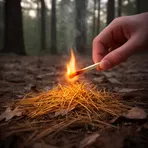
To set fire to something
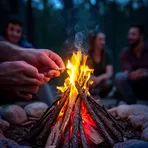
To make something start to burn, like a fire or a strong feeling
Antonyms

How Intense

Surface Forms
Morphology
The phrase combines 'set' (to initiate or cause) with 'ablaze' (on fire), so the meaning 'cause something to catch fire' is directly derivable from the constituents. This causative + adjective pattern is common and parallels expressions like 'set on fire', making it transparent to a B1 learner who knows both words.
Etymology
Set ablaze paints a simple picture of someone starting a fire so something becomes ablaze. The verb set means to cause and ablaze means 'on fire'. So, it means 'to make something start burning'.