
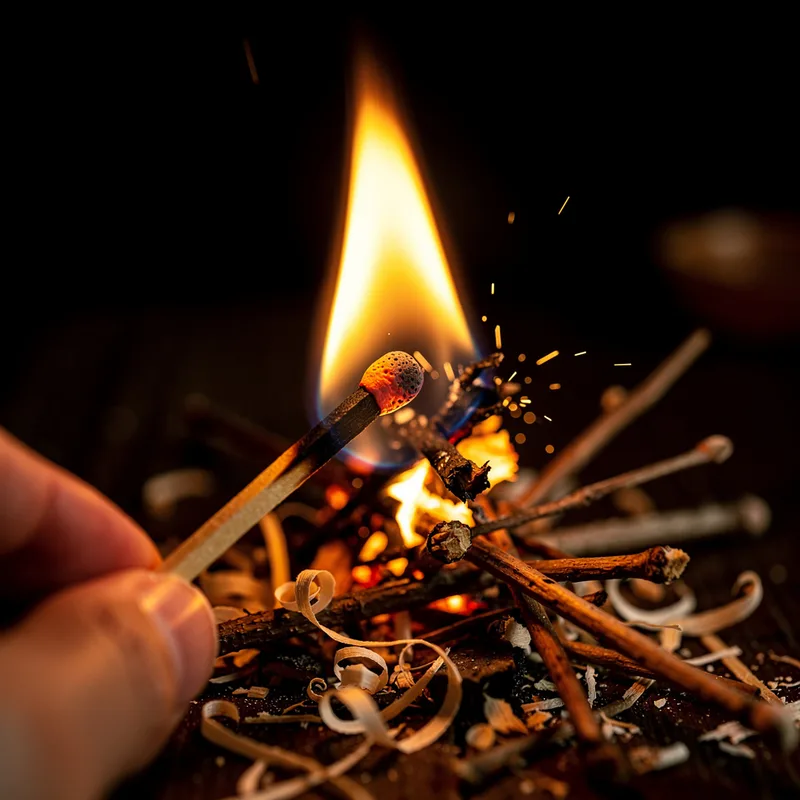
to ignite
 66
4.0
66
4.0

- verb
- /ɪɡˈnaɪt/
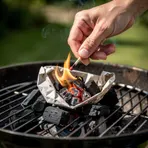
- The match will ignite the dry leaves and start the fire.
- ignite a fire
- ignite an engine
- ignite diesel fuel
Loading YouTube…
Watch on YouTubeWell, no, it wouldn't have enough mass to ignite the core and start fusion.
- Well, no, it wouldn't have enough mass to ignite the core and start fusion.
- So why do some of them ignite and others not?
- Can a brown dwarf or a gas giant ignite if it gets more mass?
- I am now going to now to actually ignite some sulfur and make some pure sulfur dioxide.
- In the diesel engine, the air is compressed first, which heats it up, then the fuel is injected into the hot air and ignites.
- In fact, I think this is the closest anyone can really get to lava without actually igniting.
Examples
-
Once the fuse hits the gas, it should ignite, rupturing the barrel and sending shrapnel everywhere.
-
Allow me to ignite your cigarette.
-
So why do some of them ignite and others not?
-
With younger students, it is easier to ignite curiosity and encourage the spirit of inquiry.
Academic text (2005) -
Economic or political instabilities within Pakistan could easily ignite the conflict once more.
Academic text (2004) -
Following his lead, engines ignite, canopies lock down, and planes taxi to position.
Fiction book (1996) -
Boosters ignited, we have lift-off.
-
And if a currency does fall, the rise in dollar-denominated debt can ignite corporate bankruptcies and recession.
Academic text (1999) -
We'll ignite our flame pit and char mammal flesh.
-
I lit two candles for light and ignited the stove's burner to melt snow.
Fiction book (1996)
Synonyms
 ∞
1.0
∞
1.0
To be on fire or damage something with heat
 905
1.0
905
1.0
To make something start to burn or shine
 175
2.2
175
2.2
To light and keep burning a stove or furnace
 110
3.0
110
3.0
Make something start burning
 76
6.5
76
6.5
To set fire to something on purpose
 8
7.4
8
7.4
To catch fire or make something burn
 5
4.8
5
4.8
To make something start burning
 4
3.7
4
3.7
To make wood, paper, or other material start to burn
 2
4.1
2
4.1
Make something start to burn
 1
5.1
1
5.1
To make something start burning
 1
4.2
1
4.2
To make something start burning


 1
5.7
1
5.7
To make something start burning, for example paper or dry grass
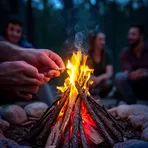
To make something start to burn, like a fire or a strong feeling
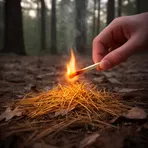
To set fire to something
Antonyms
Idioms

- Literature
A tense unstable situation that could easily become violent
Phrasal Verbs

How Powerful

Surface Forms
Etymology
Ignite comes from the old Latin root ignis, which means 'fire'. So to ignite something is to 'set it on fire' or make it start burning.