

European
 215
1.0
215
1.0

- noun
- /ˌjʊəroʊˈpiːən/
- My parents weren't Marxist, but they were European intellectuals.
- Americans and Europeans
- Europeans arrived
- Western Europeans
Loading YouTube…
Watch on YouTubeHere we shall learn about the Europeans who came to East Africa.
- Here we shall learn about the Europeans who came to East Africa.
- Americans don't get it and Europeans don't get it either.
- And so they all these people, these Europeans were coming off the train.
- It's then grown even faster in China, leaving the Europeans behind.
- But also the Europeans wanted something from Africa.
- I always say you guys put Europeans OK munch.
- This is what Europeans go on and on about about us.
Examples
-
Here we shall learn about the Europeans who came to East Africa.
-
The social and environmental impact of Europeans over the last two hundred years has been profound.
Academic text (1990) -
The question was which European country has the largest land area?
-
The Catholic Church had played a huge role in Europeans' lives for centuries.
Fiction book (1998) -
Many of the tourists who come to Salvador are young Europeans traveling on a modest budget.
Academic text (1999) -
Many of the tourists who come to Salvador are young Europeans traveling on a modest budget.
-
Here we shall learn about the Europeans who came to East Africa.
-
This suddenly becomes an immediate crisis for the Europeans and for NATO.
Compounds

 19
3.7
19
3.7
Countries in Europe that worked together after World War II to make trade and laws easier
 9
3.4
9
3.4
The central bank that decides interest rates and manages money for countries using the euro
An organization of European countries set up in 1957 that later became the European Union


A United States program from 1948 to 1952 that gave money to rebuild Europe after World War II

 1
6.0
1
6.0
A language that comes from a large family that includes English, Spanish, Hindi, and Russian
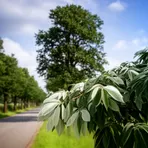
A tall European tree with dark green leaves above and pale soft leaves below
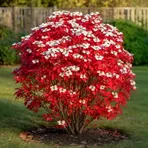
A European shrub that loses its leaves and has dull white flowers and red leaves in autumn
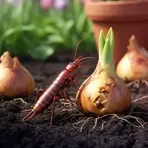
An insect with pincers that often lives in gardens and may damage flower bulbs
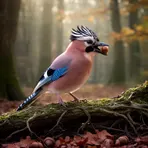
A medium-sized colourful bird with blue wing patches and a black-and-white crest found in European woods

A phrase used to describe famous white European men from history who stand for traditional ideas

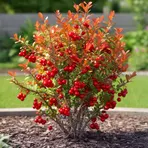
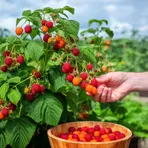
A small shrub with clusters of red berries and prickly stems often grown in gardens

A plant from Europe that produces large flat seeds eaten by people and fed to animals

A large tree that loses its leaves in winter with smooth gray bark and small toothed leaves

A plant with yellow flowers from Europe and Asia whose seeds have small hooks that stick to fur and clothes
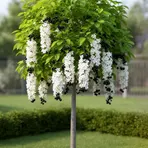
A small European tree that has groups of white flowers and small black fruit

A large brown bird that wades in marshes in Europe and makes a deep booming call

A medium-sized tree from Europe that grows near rivers and wetlands with dark bark and rounded leaves
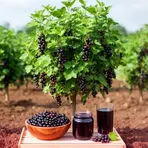

A large black bird from northern Europe with a tail that curves like a lyre
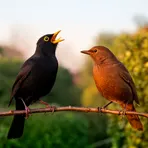
A common bird with a black male and a brown female that sings a beautiful song


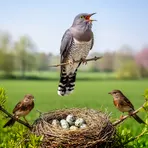
A common European bird with a loud two-note call that lays eggs in other birds' nests
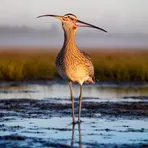
A large shore bird from Europe with a long curved bill and a loud haunting call
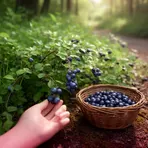
A low wild bush that grows along the ground and produces small dark blue berries you can eat

A small European lily plant that is grown in gardens and has pale pink to mauve flowers
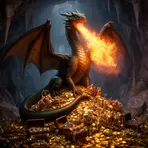
- Literature
A large winged lizard from European stories that breathes fire and hoards treasure
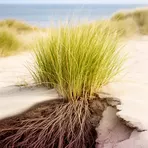


- UK
A broad, spreading tree with rough leaves that grows naturally in Europe and is often planted in parks

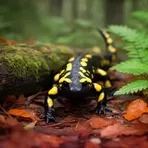
A large black salamander with bright yellow spots that lives in European forests


A small brown animal with fur that flies at night in Europe and eats insects

A very large freshwater fish from European rivers that can grow over two meters
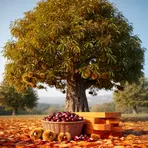
A large tree that loses its leaves and produces sweet edible nuts and useful wood
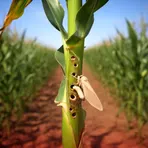
A small moth whose young caterpillars make holes in corn stems and damage crops

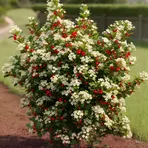
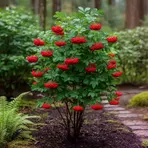
A bush with white flowers and bright red berries often grown in gardens

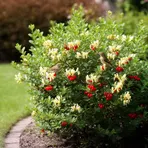
A small shrub with pairs of yellowish-white flowers and bright red berries often grown in gardens

A colourful water bird with purple feathers and long toes that lives in wetlands in Europe
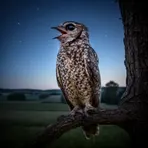
A night bird of Europe and western Asia with speckled feathers and a low continuous call

An agency of the European Union that helps police in member countries work together to fight serious crime

A small wild orchid in Europe with tight white spiral flowers that grows in meadows

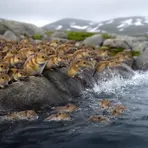
A small animal like a mouse from northern Europe that sometimes moves in large groups and many die in water

Sea animal with a dark blue shell and big claws found off Europe's Atlantic coast that turns red when cooked
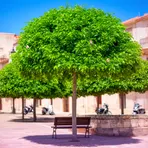
A tree with bright green leaves often planted for shade in southern Europe


A climbing shrub that has sweet-smelling white and yellow flowers and red fruit

A bird with black and white wings and a crest, found in Europe, Asia and Africa


A medium-sized tree with smooth grey bark and beech-like leaves that turn yellow-orange in autumn


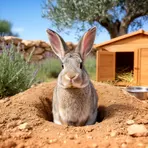
A common burrowing rabbit from southern Europe and northern Africa, often kept as a pet

A brightly coloured bird with blue and green feathers and a reddish back that flies in quick rolls


A small flowering plant with white or pale pink flowers that grows in Europe and Asia
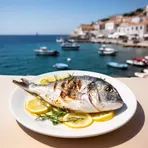

A large grey-brown eagle with a short white tail that lives in Europe and Greenland
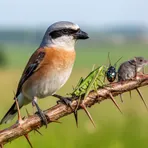
A small songbird in Europe that catches insects and small animals and puts them on thorns
Surface Forms
Morphology
Etymology
European comes from the place name Europe, named long ago after the Greek woman Europa, and the same root appears in Euro. So a European is 'a person from Europe'.