
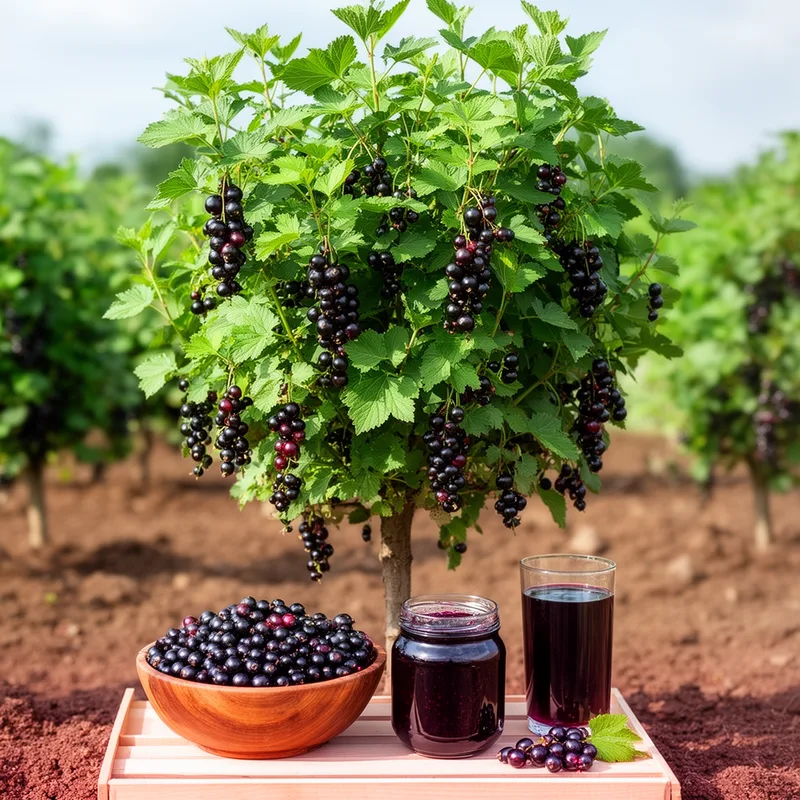
European black currant
- noun
- UK
- The European black currant is rich in vitamins.
Examples
-
Farmers in northern Europe often grow European black currant for commercial production.
-
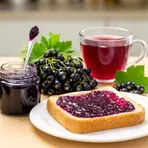
The European black currant is prized for its rich flavor in jams and desserts.
-
Vitamin C content is remarkably high in the European black currant.
-
I love making jam from European black currants.
-
The chef used fresh European black currant in her dessert recipe to enhance the flavor.
-
I bought a jar of European black currant preserves from the local farmer's market.
-
During the summer, we enjoy picking ripe European black currant berries from the garden.
Synonyms
 1
2.7
1
2.7

A small dark berry with a tart, strong taste used in jams and drinks


 1
3.2
1
3.2
A small dark purple berry or the bush that makes it that people use for jam, juice, and desserts

A bush that produces edible black berries used in jams and drinks
Surface Forms
Morphology
The phrase is a straightforward noun phrase combining 'European' (origin/region), 'black' (color/type) and 'currant' (a small edible berry), so its meaning — a black currant from Europe — is directly derivable from the parts. This compositional pattern is cross-linguistically common and follows normal English noun-modifier structure, making it immediately understandable to a B1 learner who knows the constituent words.
Etymology
European black currant names a shrub from Europe that makes small dark berries often used in jams and cooking. The word currant may come from old traders' name for tiny dried fruits from the Greek city Corinth, so the name simply points to a 'small black berry' from Europe.