

European dune grass
- noun
- UK
- European dune grass was planted to stabilize the shifting sand along the coastline.
Examples
-
The long roots of European dune grass help anchor the dunes during storms.
-
Many conservationists prefer European dune grass for its effectiveness in dune restoration projects.
-
The European dune grass thrives in sandy coastal areas.
-
Many gardeners prefer European dune grasses for their resilience.
-
European dune grass is essential for preventing erosion on sandy shorelines.
-
To protect the coastline, scientists are planting European dune grass in vulnerable areas.
-
The growth of European dune grass helps maintain the stability of coastal dunes.
Synonyms


 1
3.7
1
3.7
A tough grass with strong roots that grows on sandy shores and stops sand dunes from moving

A grass that grows on sandy coasts and helps keep sand from being carried away by wind or water

A dune grass that grows on Pacific beaches to hold sand and stop erosion

A coarse grass that grows on sandy shores and keeps sand in place

A tough grass that grows on sand near the sea to hold the dunes in place

A coarse grass that grows on sand dunes and holds sand in place
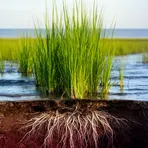
A tall grass that grows in marshes near the sea and helps hold the soil
Surface Forms
Morphology
The phrase is a straightforward compound: 'European' (from Europe) modifies 'dune grass' (grass that grows on sand dunes), so the meaning of a grass associated with dunes in Europe is directly derivable from the parts. This compositional, modifier+noun pattern is common and cross-linguistically regular, so a B1 learner who knows the constituent words would understand it.
Etymology
European dune grass gets its name from a tough grass first brought from Europe to plant on sandy dunes. People thought its long roots worked like ropes that 'bind the sand', so the name explains why it is used to stop the sand from washing away.