

to move back
 283
1.7
283
1.7

- phrasal verb
- /muːv bæk/
- As the storm approached, we had to move back from the shore to avoid getting wet.
- people move back
- move back and forth
- hands move back
Loading YouTube…
Watch on YouTubeGirl, you are moving back to your original house.
- Girl, you are moving back to your original house.
- Pei Shen Kwan, the expert copyist, has moved back to his native China.
- Why do you think so many Vietnam vets moved back to the area?
- It was March and I moved back in at my mom's place in Waukesha.
- But for now, Vince has said that his focus is moving back from Taiwan.
- So what made you move to Atlanta and what made you move back from LA?
- But as they move back away from the sun, the tail is in front.
- I've since moved back to Europe and she's still in Congo.
- And recently he moved back to Baylor.
- And I, I moved back and I bought a place in Newcastle.
- But but anyways, let's let's move back into Colombia.
Examples
-
I met my boyfriend last year after I moved back home due to COVID.
-
It's time for us to start moving back in that direction.
-
We have orders to move back to the front immediately.
-
After the divorce, he moved back to France.
-
Now Don had written to say that he and Ruth were moving back to Arizona.
Fiction book (1991) -
Please disperse and move back!
-
She's just moved back to town... -...and wants to meet people!
-
"Well, you won't do that," Glen said, moving back to the door, "but have a nice visit."
Fiction book (1992) -
Please move back now.
-
He retired from the D.O.D. about 20 years ago, moved back to Boston.
Synonyms
 ∞
1.0
∞
1.0
Go back to a place, state or activity
 475
1.0
475
1.0
To move in the direction behind you
 466
2.8
466
2.8
To stop taking part in a place or activity
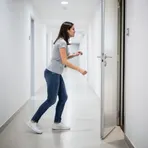 238
2.7
238
2.7
Move backwards to make space or avoid something
 235
4.0
235
4.0
To move back from a place or plan to avoid danger
 162
3.4
162
3.4
To move yourself and things backward from a place, person, or situation
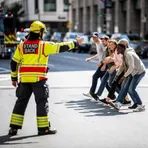 159
1.6
159
1.6
Move away and keep a safe distance from something or someone for safety
 159
2.1
159
2.1
To go back to a previous place or state
 86
3.5
86
3.5
To move away from people or a place to create space
 59
3.9
59
3.9
Stop supporting or taking part in a plan because you feel unsure
 57
3.7
57
3.7
To move back to a safer place when facing danger
 53
3.8
53
3.8
Move away from people to a quieter place
 42
4.3
42
4.3
To go back along the same route you have just taken
 29
4.8
29
4.8
To move back or become less strong
 27
3.7
27
3.7
To turn around and go back the way you came
 17
3.6
17
3.6
To move to a position behind other players, for example to prepare a pass or to help defend
 13
4.4
13
4.4
To move back from a place or activity to avoid danger and trouble
 4
4.1
4
4.1
To move backwards away from something because of fear or surprise
 2
7.4
2
7.4
Move back suddenly in anger or protest
 1
4.0
1
4.0
To move back from a place or position, often to a safer spot
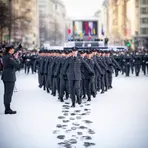
March back together as a group, especially soldiers

Move quickly backward because you are surprised or afraid
Antonyms


How Far
331
2.4
 466
2.8
93
4.4
283
1.7
19
4.9
101
3.6
466
2.8
93
4.4
283
1.7
19
4.9
101
3.6
Surface Forms
Morphology
The meaning 'to pull away or retreat' is directly and transparently derived from combining 'move' (change position) with 'back' (toward the rear or away). This verb + directional adverb pattern is a common, compositional construction in English (and parallels exist in many languages), so a B1 learner who knows both constituents will reliably infer the MWE's meaning.
Etymology
The phrasal verb move back comes from the simple image of stepping backwards: you take a step so you are farther from what is in front of you and your back moves toward your starting place. So it means 'to move away' or 'to go to an earlier or more distant position', for example to give people space or to pull away from danger.