

to whittle away
 3
5.9
3
5.9

- phrasal verb
- /ˈhwɪtəl əˈweɪ/
- And it's never an excuse for standing idly by while our liberty to preach and serve God in the public square is whittled away.
Loading YouTube…
Watch on YouTubeIf that starts getting whittled away, that's to me a flag.
- If that starts getting whittled away, that's to me a flag.
Examples
-
The U.S. Congress has already been whittling away at the Feed the Future and GAFSP budgets, threatening to starve the programs of adequate funding before they have had a chance to really get going.
Academic text (2010) -
But any advantage gained is slowly being whittled away by the country's deep recession, which appears headed for a sixth year.
Blog text (27) -
But the other reason is that the property tax base of many local governments is being whittled away by the home foreclosure crisis.
Blog text (2) -
Attempts to reform the state's mental health system over the past decade have whittled away at funding and resources available to the mentally ill.
Blog text (2) -
All during this time, the "Christian resolve" that my parents and community instilled in me was whittled away by society, piece by piece.
Blog text (6) -
True, this process whittles away the democratic element of elections.
Blog text (32) -
But now those gains are being whittled away as the battle over so-called tort reform moves inexorably into the courts.
Academic text (1998) -
For 10 weeks, the Orioles whittled away a 10-game deficit in the American League East to the Yankees, eventually drawing even in mid-September.
Blog text (21) -
Every revelation of yet another third-world leader maintaining huge accounts in first-world banks whittles away long-term bribery, aid, loans, and investment to known kleptocrats.
Academic text (2005) -
As the project progressed, they had to whittle away the budget to make ends meet.
Synonyms
 ∞
1.6
∞
1.6
To make something smaller in amount, size, or number
 201
3.7
201
3.7
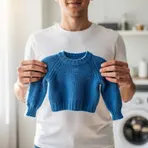
To become less in size, importance, or value
 181
2.8
181
2.8
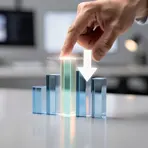
Become less in amount or value
 89
3.0
89
3.0
Make an amount or level lower
 83
4.2
83
4.2
Gradually make someone's trust, belief, or support weaker over time
 72
5.1
72
5.1
To become smaller or less in number over time
 65
2.7
65
2.7
To make something smaller in amount or number
 48
6.4
48
6.4
To become less in size, amount, or strength
 34
2.8
34
2.8
To make something smaller in amount or strength
 27
4.0
27
4.0
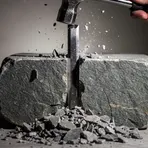
Remove an outside layer or covering from something to show what is under it
 24
4.2
24
4.2
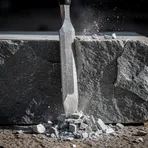
To make something smaller or weaker by removing small parts slowly
 18
4.6
18
4.6
Gradually make something weaker by repeated small actions
 18
4.2
18
4.2
To become gradually less in size or amount
 17
5.7
17
5.7
To make something smaller by removing small parts
 17
4.1
17
4.1
Slowly damages metal, rock and someone's confidence by chemicals or steady pressure
 13
6.2
13
6.2
To cut small pieces from wood with a knife
 10
5.1
10
5.1
To make a list or group smaller by removing items over time
 10
8.8
10
8.8
To make something weaker or less effective
 9
4.4
9
4.4
Make something smaller by removing parts you do not need
 9
7.9
9
7.9
To make something weaker, like sound or light
 9
4.5
9
4.5
To become smaller or weaker over time until it stops
 8
4.0
8
4.0
To make something smaller in size or amount
 5
3.5
5
3.5
Remove some people or things so the rest are more spread out
 3
3.4
3
3.4
To make something smaller by cutting or removing parts
 3
5.5
3
5.5
To make a feeling, sound, or pain less strong
 2
4.2
2
4.2
To remove things you do not need to make something smaller or work better
 2
3.8
2
3.8
To slowly remove material by rubbing or long use
 1
4.6
1
4.6
Slowly get smaller in number or amount until nothing remains
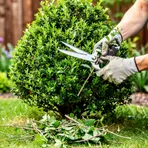 1
3.4
1
3.4
Make a thing smaller by cutting or removing parts
 1
5.1
1
5.1
To become slowly smaller or less until almost nothing remains
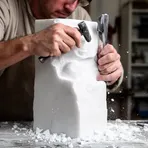 1
5.4
1
5.4
To remove small pieces from something slowly by steady effort


 1
8.4
1
8.4
To make something smaller so it uses less space or time
Antonyms


How Reduced
172
3.2
 83
4.2
2
3.8
3
5.9
24
4.2
9
4.4
95
2.6
83
4.2
2
3.8
3
5.9
24
4.2
9
4.4
95
2.6
Surface Forms
Morphology
whittle + away
The verb 'whittle' literally means to pare or shave small pieces off (usually wood) and 'away' indicates continued/action, so the figurative sense of slowly using up or passing time is a metaphorical extension of 'carving away' time and is partially inferable from the parts. However, the specific sense 'to spend time pleasantly' (similar to 'while away') is idiomatic enough that a B1 learner would not reliably predict it without prior exposure, so the expression is only partially transparent.
Etymology
The phrasal verb whittle away comes from working with wood. To whittle is to cut tiny pieces from a block, and to cut away bit by bit gives a clear picture of slowly reducing something, so it now means 'to reduce something slowly'.