
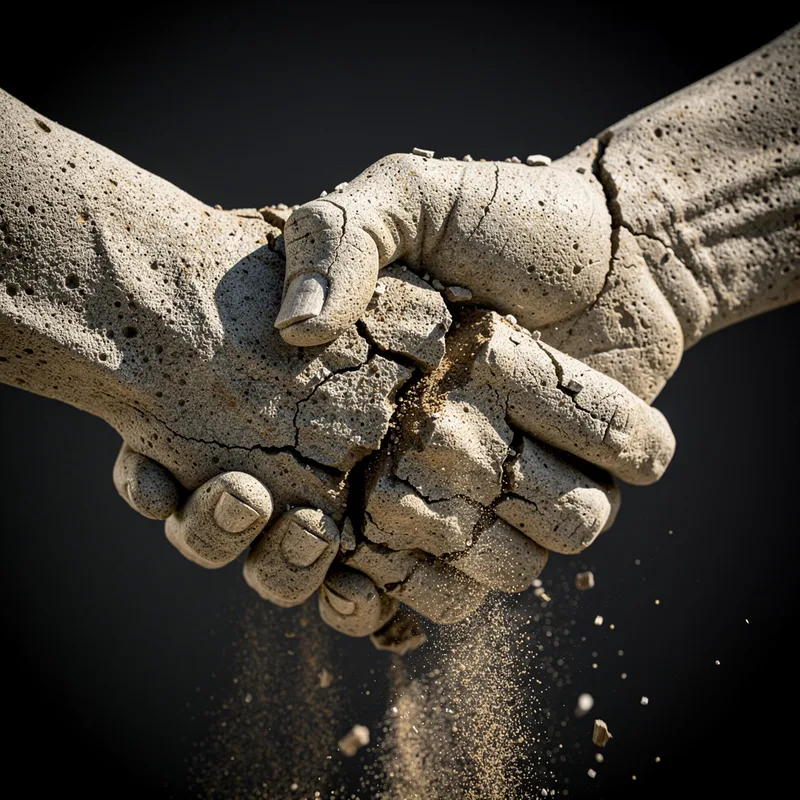
to erode
 83
4.2
83
4.2

- verb
- /ɪˈroʊd/
- Over the years, the constant criticism began to erode her confidence in her abilities.
- erode public confidence
- erode public support
- erode credibility
Loading YouTube…
Watch on YouTubeWell, Britain has so allowed its industrial base to erode that.
- Well, Britain has so allowed its industrial base to erode that.
- And so we feel the pain from the eroding NIH funding.
- You don't want credit for it because it will erode your job quality.
- Very interesting as you see black support eroding from Joe Biden.
- These have been completely eroded from their vocabulary.
- Time will erode grief, as he's pointed out earlier.
- Most people think inflation is bad because it erodes paper money.
- So I'm pretty much under I'm I'm eroding your entire argument with that.
- There are other things which are less liable to be eroded by time.
- But clearly this type of behavior erodes your trust in anything Google.
- Rights are going to start eroding and we are here.
- And the problem with that is it erodes trust.
- But it is because it's eroding those rights.
Examples
-
Today, the model is at risk of being eroded by multiple forces.
Academic text (2008) -
We could use her to erode support.
-
Well, Britain has so allowed its industrial base to erode that.
-
And so those who want to erode that will have an easier time.
-
Do you ever feel as if your mind had started to erode?
-
But the passage of time is all it takes to erode that initial impulse.
Fiction book (2001) -
Most people think inflation is bad because it erodes paper money.
-
Why has that framework been eroded over time?
-
Economic nationalism began to erode in the 1980s and nearly disappeared in the 1990s.
Academic text (1999) -
During the early reservation period, Northern Cheyenne health continued to erode, particularly maternal and infant health.
Academic text (1991)
Synonyms
 531
1.2
531
1.2
To slowly become less visible, bright, or loud
 201
3.7
201
3.7
To become less in size, importance, or value
 177
3.4
177
3.4
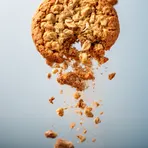
To break into small pieces or become weaker and collapse
 146
5.9
146
5.9
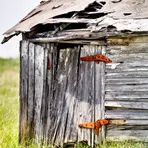
To get worse in quality, condition, or value
 37
4.4
37
4.4
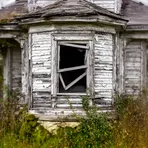
To slowly fall into ruin because of age or neglect
 29
6.0
29
6.0
Break into smaller parts by losing energy in a physical process, for example in an atom
 25
4.4
25
4.4
To damage something slowly over time, for example a building or a person's confidence
 17
4.1
17
4.1
Slowly damages metal, rock and someone's confidence by chemicals or steady pressure
 16
4.2
16
4.2
To slowly become weaker or fall apart because it is not cared for
 14
7.1
14
7.1
Gradually make someone feel worse or less confident
 7
6.1
7
6.1
To make someone feel worried or less confident for a long time
 4
4.0
4
4.0
Start to break into pieces or stop working well
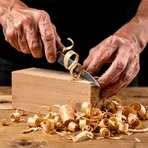 3
5.9
3
5.9
To make something smaller gradually by cutting or wearing it away
 2
3.8
2
3.8
To slowly remove material by rubbing or long use

To become worse slowly in a calm, controlled way without sudden failure

Wear away the surface of something by rubbing or scraping
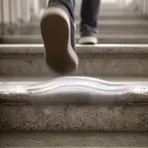
To wear a surface down by rubbing

To wear away a surface slowly by rubbing
Antonyms


How Damaged

Surface Forms
Etymology
Erode comes from the old Latin word rodere, which means 'to gnaw'. Think of trust or confidence being slowly 'gnawed away' by small problems, and that's why erode means to weaken or lose strength over time.