
to attrite

to attrite

9.6
To wear a surface down by rubbing
  • verb
  • /əˈtraɪt/
translation icon : erosionar
  • Years of footsteps slowly attrited the stone steps, making them smooth and rounded.

Examples

  • The river's current can attrite rocks, turning them into pebbles over time.

  • Repeated cleaning with harsh chemicals will eventually attrite the surface of the countertop.

  • Don't attrite the surface too much!

  • The constant wind will attrite the rocks over time.

  • Years of footsteps slowly attrited the stone steps, making them smooth and rounded.

  • The river's current can attrite rocks, turning them into pebbles over time.

  • Repeated cleaning with harsh chemicals will eventually attrite the surface of the countertop.

Synonyms
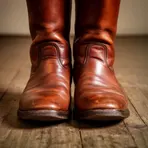
to wear
vsto attrite
470 3.3

Last without much damage after long use

is the narrower action of surface erosion caused specifically by friction
to degrade
vsto attrite
  • Specialized
35 5.1

To wear away soil and rock by wind or water

is the small scale rubbing erosion of surface materials rather than land change
to wear down
vsto attrite
27 4.1

Slowly make a person or thing weaker by repeated pressure
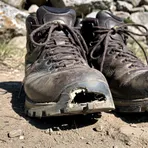
is limited to physical surface loss by friction or rubbing
to wear out
vsto attrite
26 2.3

To get damaged or stop working after long use

is about gradual surface erosion by friction rather than total failure
to erode
vsto attrite
24 4.2

Gradually wear away rock and soil by water or wind
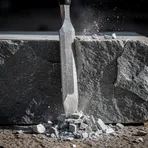
is focused on surfaces by friction rather than large natural forces
to chip away at
vsto attrite
18 4.6

Gradually make something weaker by repeated small actions

is a physical rubbing removal rather than a metaphorical or effortful reduction
to eat away
vsto attrite
17 4.1

Slowly damages metal, rock and someone's confidence by chemicals or steady pressure
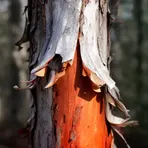
is about removal by rubbing friction rather than chemical corrosion
to exfoliate
vsto attrite
8 6.2

To come off in thin layers, like peeling bark

is about wearing by rubbing rather than natural peeling in layers
to rub off
vsto attrite
5 3.4

Come off a surface when something moves against it
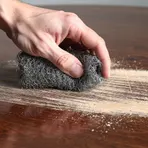
is the active process that causes this surface loss
to abrade
vsto attrite
5 8.1

The surface wears away when something rubs or scrapes it
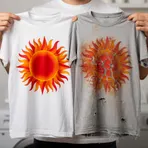
is more general describing surface erosion by friction
to wear off
vsto attrite
4 4.2

Become faded or damaged from use

is about actively removing surface by friction rather than general weakening
to wear away
vsto attrite
2 3.8

To slowly remove material by rubbing or long use
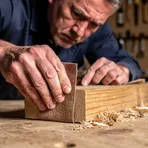
is specifically about surface erosion by friction rather than general deterioration
to grind down
vsto attrite
2 6.1

Wear a surface away slowly by rubbing, or make someone very tired

is focused on erosion by friction rather than figurative wearing of people
to fret
vsto attrite
1 6.7

Wear away skin or material by rubbing

is the same in meaning but exists as a different verb form
to rub away
vsto attrite
1 3.4

Remove a mark by moving a cloth or hand over it many times
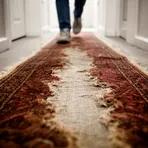
is focused on surface loss caused by friction rather than general removal
to wear thin
vsto attrite
1 5.6

Become thin or damaged from use, like a carpet

is used for physical surface loss, not only loss of effectiveness
to ablate
vsto attrite
  • Specialized
1 9.9

Remove material from a surface by melting, wearing away, or burning

is limited to removal by friction rather than many other processes
to attrit
vsto attrite
9.9

To wear away a surface slowly by rubbing

is the same in meaning but written with an extra final letter
to abrase
vsto attrite
  • Archaic
9.9

Wear away the surface of something by rubbing or scraping

is the same surface erosion meaning but uses a different verb form
to frazzle
vsto attrite
7.5

To rub something so it becomes damaged at the edges
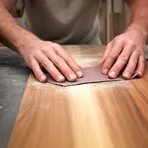
is similar but names surface erosion specifically by rubbing
to rub down
vsto attrite
4.4

To make a surface smooth by moving something over it

is the neutral erosion by friction without smoothing purpose
to slag
vsto attrite
8.2

To damage something by heat or long, heavy use

is specific to frictional rubbing of surfaces rather than heat or heavy use

Antonyms

352 2.3

Work done to fix something that is broken

How Eroded

to erode
24 4.2
to wear away
2 3.8
to attrite
9.6
to abrade
5 8.1
to scratch
161 1.1
to scuff
12 3.6

Surface Forms

attrite infinitive
attrited past
attrited past participle
attriting present participle
attrites third person singular

Morphology

attrite = trite (opaque) = at + trite

Historically ad- + trite gives the sense 'rubbed/worn', but because modern 'trite' primarily means 'banal' and 'attrite' is rare, the physical meaning 'to wear down by rubbing' is not predictable for learners.

Etymology

Attrite comes from an old Latin verb made of ad- 'to' and terere 'to rub', so you can picture rubbing a rock until it becomes smooth, and the same idea is in attrition. So, to attrite a surface is to 'wear it down' by friction or rubbing.