
attrite
9.9
Worn away by rubbing so the surface looks thin or smooth
- adjective
- /əˈtraɪt/
:
desgastado
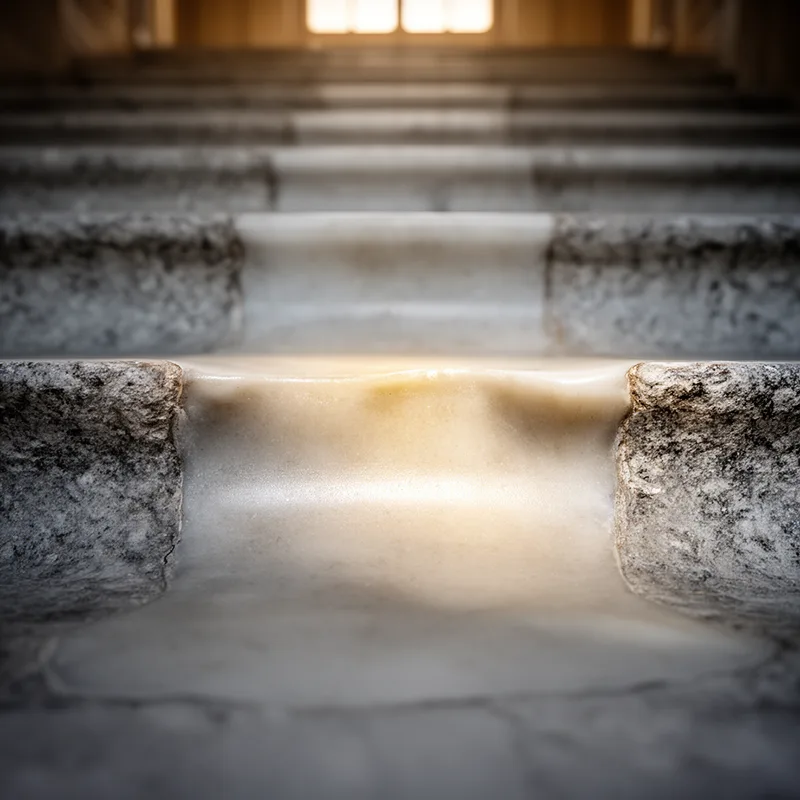
- After years of use, the marble steps became noticeably attrite in the center.
Examples
-
The ancient coins were so attrite that their inscriptions were barely visible.
-
The archaeologist examined the attrite edges of the pottery shards for signs of age.
-
The attrite surface of the rock showed signs of erosion.
-
The old pavement had become attrite after years of traffic.
-
The ancient coins were so attrite that their inscriptions were barely visible.
-
After years of use, the marble steps became noticeably attrite in the center.
-
The old pavement had become attrite after years of traffic.
Synonyms


Antonyms

How Worn


Surface Forms
attrite positive
Morphology
Etymology
Attrite comes from an old Latin verb made of ad- 'to' and terere 'to rub', which gives the image of something slowly rubbed away and is the same root behind trite and attrition. So, as an adjective attrite means 'worn away' or abraded by rubbing.