
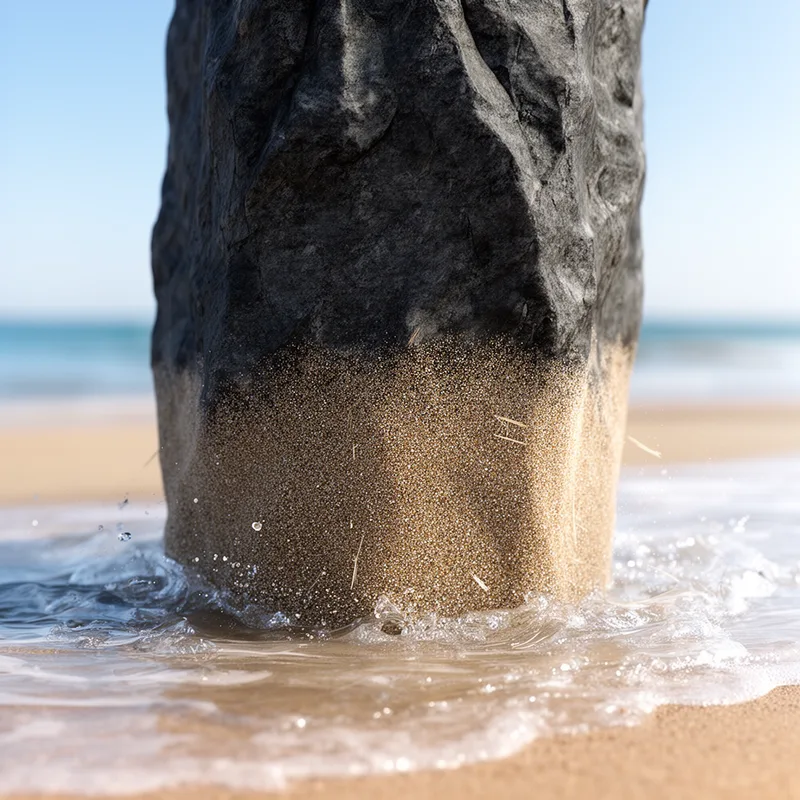
to attrit
- verb
- /əˈtrɪt/
- The repeated use of the tool began to attrit its handle, making it smooth and thin.
Examples
-
If you do not protect the statue, wind and rain will slowly attrit its features.
-
Over time, the constant movement of sand can attrit the surface of rocks along the shore.
-
The paint will attrit quickly.
-
How does salt water attrit the hull of a ship?
-
Over time, the constant movement of sand can attrit the surface of rocks along the shore.
-
The repeated use of the tool began to attrit its handle, making it smooth and thin.
-
If you do not protect the statue, wind and rain will slowly attrit its features.
Synonyms
 470
3.3
470
3.3

Last without much damage after long use
 62
1.2
62
1.2
To rub material off a surface with something hard or sharp
 24
4.2
24
4.2
Gradually wear away rock and soil by water or wind
 17
4.1
17
4.1
Slowly damages metal, rock and someone's confidence by chemicals or steady pressure
 5
3.4
5
3.4
Come off a surface when something moves against it
 5
8.1
5
8.1
The surface wears away when something rubs or scrapes it
 4
4.2
4
4.2
Become faded or damaged from use
 2
6.1
2
6.1
Wear a surface away slowly by rubbing, or make someone very tired
 2
3.8
2
3.8
To slowly remove material by rubbing or long use
 1
6.7
1
6.7
Wear away skin or material by rubbing
 1
3.4
1
3.4
Remove a mark by moving a cloth or hand over it many times
 1
4.7
1
4.7
To remove the top layer of something by rubbing it with sandpaper
 1
5.6
1
5.6
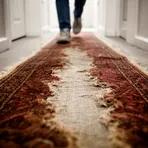
Become thin or damaged from use, like a carpet


 1
9.9
1
9.9
Remove material from a surface by melting, wearing away, or burning
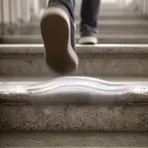
To wear a surface down by rubbing

Wear away the surface of something by rubbing or scraping

To rub something so it becomes damaged at the edges
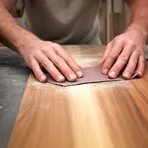
To make a surface smooth by moving something over it

To damage something by heat or long, heavy use
Antonyms

How Eroded

Surface Forms
Etymology
Attrit comes from the Latin atterere, meaning 'to rub' or 'wear away', and is related to trite, which once meant 'worn by rubbing'. So, to attrit a surface is to slowly 'rub it away' by friction until it becomes thin or smooth.