

to attrit
 1
9.9
1
9.9

- verb
- /əˈtrɪt/
- Jargon
- To improve retention rates, the company implemented strategies to reduce the number of employees who might attrit due to low morale.
Examples
-
Consequently, after the first week, the ratio of forces had changed from 1 (LAF) to 1 (LF) to 0.85 to 1, with the city fighting, which was bound to attrit offensive forces heavily, still ahead.
Academic text (1991) -
For example, CHWs in Nigeria who had to travel long distances between communities were more likely to attrit.
Academic text (2013) -
When considered, some family and employer variables were predictive of intent to attrit.
Academic text (1991) -
It has been unable to reduce the number of bombs, unable to essentially destroy or attrit the networks that have been laying the bombs.
Blog text (12) -
Our objective is to reach a stalemate whereby we are attriting the enemy faster than he can replace his losses.
-
The ongoing conflict is designed to attrit the enemy forces over time, weakening their resolve and capabilities.
-
The winter weather can attrit the roadways, creating hazardous conditions for drivers.
Synonyms
 305
2.8
305
2.8
To make people and things less strong or effective
 83
4.2
83
4.2
Gradually make someone's trust, belief, or support weaker over time
 72
5.1
72
5.1
To become smaller or less in number over time
 69
3.0
69
3.0
To become weaker and then disappear over time
 61
5.1
61
5.1
To make something worse or less able to work
 49
2.6
49
2.6
Become less in number, amount, or quality
 48
6.4
48
6.4
To become less in size, amount, or strength
 46
2.7
46
2.7
To become less strong or loud over time
 27
4.1
27
4.1
Slowly make a person or thing weaker by repeated pressure
 23
6.8
23
6.8
To become less strong or severe and to make something do the same
 21
3.5
21
3.5
To become less in number or amount
 20
7.7
20
7.7
To make a person, animal, or thing weak and less able to work
 19
4.3
19
4.3
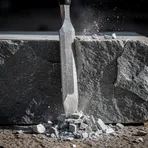
To become less in amount or quality
 18
4.6
18
4.6
Gradually make something weaker by repeated small actions
 18
4.2
18
4.2
To become gradually less in size or amount
 14
5.6
14
5.6
To slowly make someone or something weaker
 13
6.3
13
6.3
To use up almost all of something so little is left
 11
6.2
11
6.2
Lose people's trust or patience over time
 10
8.8
10
8.8
To make something weaker or less effective
 9
4.0
9
4.0
To become gradually less strong or severe
 9
7.9
9
7.9
To make something weaker, like sound or light
 9
4.5
9
4.5
To become smaller or weaker over time until it stops
 8
5.3
8
5.3
To gradually lose energy or interest and end weakly
 4
4.2
4
4.2
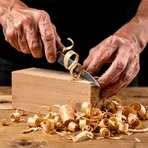
Become faded or damaged from use
 3
5.9
3
5.9
To make something smaller gradually by cutting or wearing it away
 1
7.2
1
7.2
To make something less in small steps that are hard to bring back
 1
9.8
1
9.8
Make someone or something lose energy and stop working well


 1
9.9
1
9.9
To reduce the number of people slowly over time
Antonyms



How Reduced
∞
1.0
 58
7.5
13
6.3
58
7.5
13
6.3
- Jargon
1
9.9
305
2.8
270
6.8
Surface Forms
Etymology
Attrit comes from the Latin atterere, which means 'to rub' or 'wear down', and the same root appears in attrition and trite, which originally meant 'worn'. So, to attrit someone or a group is to slowly 'wear them down' and reduce their strength over time.