
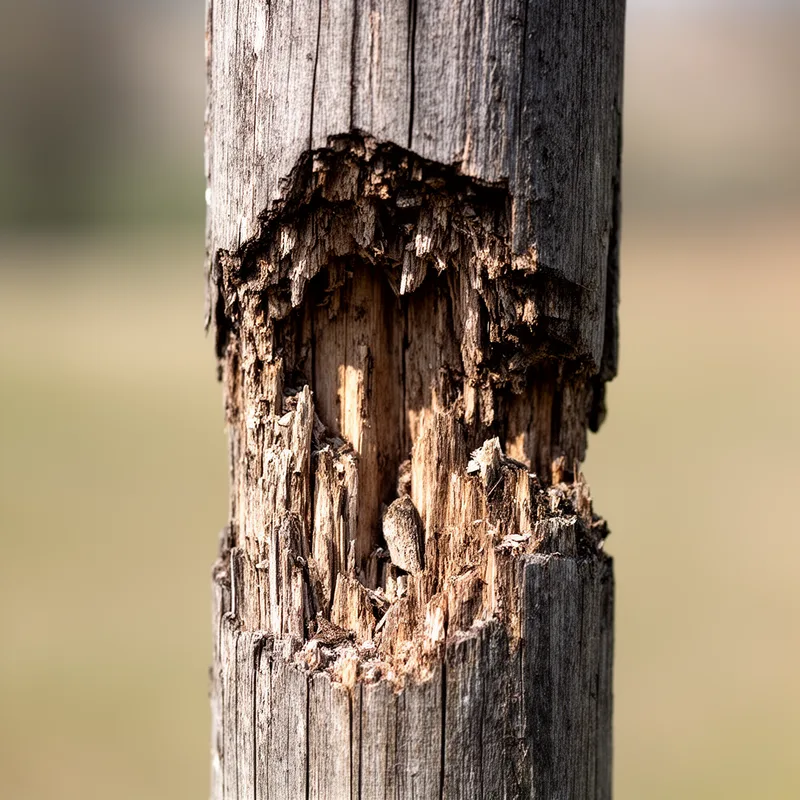
to eat away at
 25
4.4
25
4.4

- phrasal verb
- /iːt əˈweɪ æt/
- Informal
- Pollution is gradually eating away at the natural beauty of the city.
- continues to eat away at
Loading YouTube…
Watch on YouTubeThese are all pandemics that are eating away at the soul of humanity in a large way.
- These are all pandemics that are eating away at the soul of humanity in a large way.
- And you just think I waste so much time worrying about such menial, pointless things that really eat away at me.
- Maybe they miss that person more than they typically should, but it's the feeling of loneliness that also eats away at them.
- Like his conscience was literally just eating away at him.
- Well, I have to come clean, especially since all of the haters in the comments have been clearly eating away at me lately.
- Whether it's just throwing up or eating away at your liver, whichever it is, it's a progressive disease.
- You know, they hold secrets alone and it eats away at them.
- They thought that that was what an eclipse was was was taking place, an invisible dragon eating away at the sun.
- It's a fungus that actually will will try to eat away at some of the skin on the on the squash.
Examples
-
Neglect can eat away at the foundations of trust in any relationship.
-
The constant stress from work is starting to eat away at my health and happiness.
-
It's just-- this is eating away at me.
-
Sick from the disease eating away at me inside.
-
It's eating away at your white blood cells and your count is very low.
-
It's starting to eat away at what's around it.
-
Maybe your conscience is eating away at your conviction.
-
An emotion that eats away at your soul.
-
In my opinion, advisors with high fees are eating away at their clients' nest eggs.
Blog text (26) -
Indeed, inflation has eaten away at the real value of pensioners' benefits over the years.
Academic text (2000)
Synonyms
 564
6.6
564
6.6
Gradually use up money or fuel
 83
4.2
83
4.2
Gradually make someone's trust, belief, or support weaker over time
 24
4.2
24
4.2
To make something smaller or weaker by removing small parts slowly
 18
4.9
18
4.9
Gradually make someone feel worried or less confident
 18
4.6
18
4.6
Gradually make something weaker by repeated small actions
 17
4.1
17
4.1
Slowly damages metal, rock and someone's confidence by chemicals or steady pressure
 14
7.1
14
7.1
Gradually make someone feel worse or less confident
 7
6.1
7
6.1
To make someone feel worried or less confident for a long time
 3
7.7
3
7.7
Damage or spoil something badly
 3
5.9
3
5.9
To make something smaller gradually by cutting or wearing it away
 2
6.8
2
6.8
To make someone feel more and more upset or angry inside

Wear away the surface of something by rubbing or scraping
Antonyms
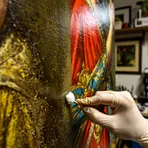
How Damaging

Surface Forms
Morphology
The combination of 'eat' (to consume) with 'away' (to remove or fade) creates a clear metaphor of gradual removal or erosion, so learners who know the constituent words can often infer the figurative meaning in context. Because the sense is a metaphorical extension rather than a strictly literal composition and involves a particle + preposition pattern, it is not fully predictable as a literal meaning and is therefore only partially transparent.
Etymology
Eat away at comes from a simple picture: imagine something slowly chewed or worn down, with pieces eaten away bit by bit. So, the phrase means 'to gradually damage or destroy' something over time.