
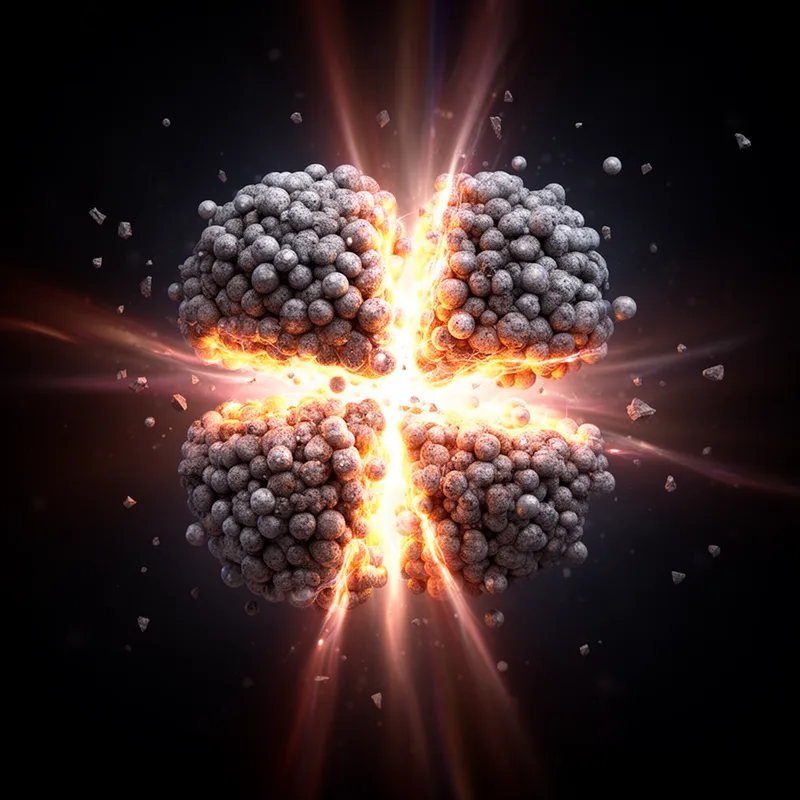
to disintegrate
 29
6.0
29
6.0

- verb
- /dɪˈsɪntɪɡreɪt/
- Specialized
- So if such a black hole passes through a proton, it will disintegrate the proton into quarks just due to gravity.
- disintegrate slowly
- disintegrate eventually
- body disintegrating
Loading YouTube…
Watch on YouTubeAnd then all of a sudden the liquor bottle disintegrates into the sand.
- And then all of a sudden the liquor bottle disintegrates into the sand.
- Schrodinger thought that PSI represents particles that disintegrate.
- Now, what happens is, is that some of these particles, they disintegrate after a very, very short period of time.
- Methane can disintegrate or break apart between three and seven years and so it's kind of a more of a short term issue.
- The popcorn is like disintegrating in the pickle juice huh.
- The wave function will disintegrate all over the place.
- Because they they vaporized, they disintegrated.
- I can't believe that man's house is disintegrating in a water in the physical world.
- It's either these tests of skill or sleep beneath a fur with cones which disintegrate at maturity to release wing and seeds.
- The energy of him pushing me back pushes him back, and then the door disintegrates as machine gun riots just trace through here and splinter this door.
Examples
-
Outside its cellular host, the viral genome would disintegrate without the protection of its coat, the capsid.
Academic text (2004) -
The bullets went through the glass, shed their jackets or disintegrated completely on impact with the wall.
-
Now, what happens is, is that some of these particles, they disintegrate after a very, very short period of time.
-
It's the shirts that disintegrate after one wash.
-
Methane can disintegrate or break apart between three and seven years and so it's kind of a more of a short term issue.
-
What happens is that the packets gradually disintegrate and get replaced by a new one.
-
As they naturally disintegrate, bones help nurture the living soils of the island.
Academic text (2011) -
Rocks will crumble, paper disintegrates, and bone turns to powder.
-
The flames ate up the carpet and were disintegrating the banister like cardboard.
Fiction book (2001) -
After a year or two of exposure, any fossil begins to disintegrate and crumble to dust.
Synonyms
 177
3.4
177
3.4
To break into small pieces or become weaker and collapse
 155
2.8
155
2.8
To break into pieces or stop working properly
 72
2.8
72
2.8
To break suddenly into many small pieces, like glass
 66
2.7
66
2.7
Separate something into smaller pieces
 44
3.1
44
3.1
To break into pieces or fall into separate parts
 43
3.9
43
3.9
To slowly disappear or become less clear
 39
3.7
39
3.7
To break into small pieces or make something break apart
 36
3.7
36
3.7
To make something separate into smaller parts by a chemical process
 26
3.0
26
3.0
To separate into pieces, for example a machine or a group
 14
6.3
14
6.3
To lose electrical charge or current slowly over time
 9
5.5
9
5.5
To break a substance into smaller chemical parts using heat or chemicals
 7
6.7
7
6.7
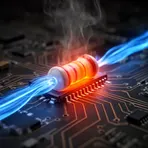
To change useful energy into heat so it cannot do work
 5
7.2
5
7.2
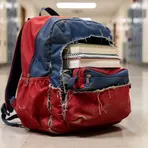
To fall apart or stop working properly after being stable
 1
7.4
1
7.4
To break something into very small drops or pieces
 1
7.4
1
7.4
To split a molecule into atoms or ions

To break something into many small pieces
Antonyms


How Broken
- US
17
5.3

- US
8
7.4
- Specialized
29
6.0
∞
1.0
311
1.0
104
2.3
Surface Forms
Morphology
disintegrate = integrate (semi-transparent) = dis + integr + ate
The relation to 'integrate' is recognizable, but this scientific sense includes specialized ideas of physical decay and energy loss that are not a fully general everyday reverse of 'integrate'.
Etymology
Disintegrate comes from the prefix dis- meaning 'apart' and the same root as integrity, which means 'whole'. So, to disintegrate is to fall 'apart' into smaller parts or lose stored energy, which is why we use it for things like atoms or materials breaking up.