

to fall apart
 155
2.8
155
2.8

- phrasal verb
- /fɔl əˈpɑrt/
- The toy was so cheap that it started to fall apart within a week of being played with.
- things fall apart
- begin to fall apart
- literally fall apart
Loading YouTube…
Watch on YouTubeI would argue it fell apart far earlier.
- I would argue it fell apart far earlier.
- The whole charade would fall apart then, so they couldn't risk that.
- And then then we see it could fall apart in months.
- The fact that these away bags are not falling apart is a miracle.
- I don't throw out underwear even if they are falling apart or have holes in them.
- Like most prosecutions, that falls apart under any kind of examination.
- Why is it not just falling apart into fragments and shattering?
- Air is build up, things rust, things fall apart, things decay.
Examples
-
Democracies can fall apart and sometimes they do.
-
At first, this argument seems to make sense, but it falls apart under a little scrutiny.
Academic text (1996) -
And then then we see it could fall apart in months.
-
And things kind of fell apart for me around that time.
-
And while that process was going on, the group fell apart on its own.
-
Listen, we are too close to let this fall apart.
-
This is our home, and I will not see it fall apart.
-
This building is falling apart.
-
Our world is falling apart.
-
We can see evidence that society is falling apart throughout the world.
Academic text (1993)
Synonyms
 ∞
1.0
∞
1.0
To change a large bill into smaller bills
 579
3.9
579
3.9
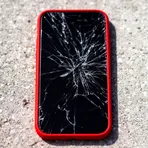
To fall down suddenly, for example when a person faints or a building breaks
 553
4.0
553
4.0
To break something so it does not work
 370
2.2
370
2.2
Stop working properly, as a machine or part
 194
3.2
194
3.2
To stop working because of a problem
 177
3.4
177
3.4
To break into small pieces or become weaker and collapse
 156
3.2
156
3.2
To stop working suddenly, especially for a computer or program
 72
2.8
72
2.8
To break suddenly into many small pieces, like glass
 66
2.7
66
2.7
Separate something into smaller pieces
 44
3.1
44
3.1
To break into pieces or fall into separate parts
 39
3.7
39
3.7
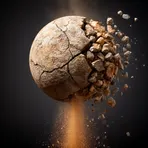
To break into small pieces or make something break apart
 35
5.8
35
5.8
Fall apart into smaller pieces or stop working together
 33
3.5
33
3.5
Stop working and need repair
 30
4.4
30
4.4
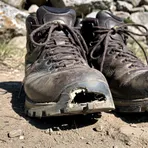
To collapse inward, as a roof or organization breaking down
 26
2.3
26
2.3
To get damaged or stop working after long use
 26
3.0
26
3.0
To separate into pieces, for example a machine or a group
 9
5.3
9
5.3
To begin to fail, fall apart, or lose control
 5
7.2
5
7.2
To fall apart or stop working properly after being stable
 4
4.0
4
4.0
Start to break into pieces or stop working well

To break something into many small pieces

Suddenly fail completely because it is weak or badly built
Antonyms



How Damaged
72
2.8
 155
2.8
∞
1.0
311
1.0
27
2.2
161
1.1
155
2.8
∞
1.0
311
1.0
27
2.2
161
1.1
Surface Forms
Morphology
The literal combination of 'fall' (to move downward or drop) and 'apart' (into pieces) transparently conveys the idea of 'coming undone' or breaking into pieces, so learners can readily infer a physical sense. However, the emotional/mental meaning 'to lose control' is a metaphorical extension of that physical image; it is partially predictable (common cross-linguistically) but not fully derivable without prior exposure.
Etymology
The phrasal verb fall apart comes from the simple image of something weak or old starting to fall into pieces and come apart. So, it is used for things that 'break into pieces' or 'stop working'.