
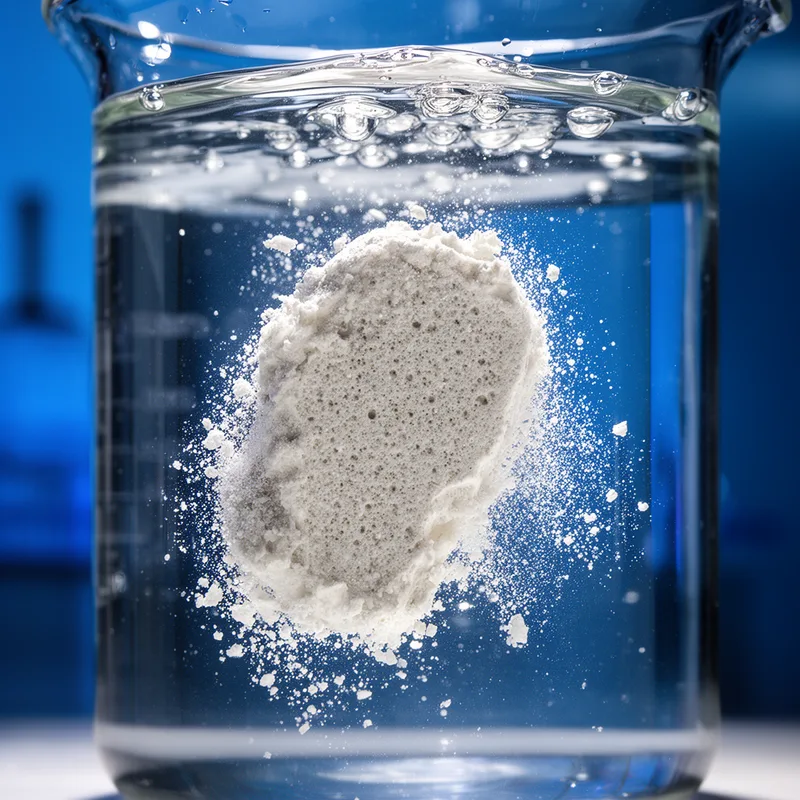
to break down
 36
3.7
36
3.7

- phrasal verb
- /breɪk daʊn/
- Specialized
- The material is said to break down completely under composting conditions.
- break down organic matter
- enzymes break down
- break down polymers
Loading YouTube…
Watch on YouTubeThis is not broken down as much because it's really dry.
- This is not broken down as much because it's really dry.
- Because we're going to break muscle tissue down and break down all these things as part of the workout.
- Zbiotics produces an enzyme that breaks this by product down.
- Now you're providing now fully ready to use broken down source of sugar in the tangerine.
Examples
-
The bacteria in compost help to break down organic waste into nutrient-rich soil.
-
In the human digestive system, enzymes break down food into simpler molecules.
-
The body eventually begins to break down its own tissue.
-
"The middle layer of dry material helps the pile break down," he says.
Academic text (1995) -
There's a problem because the paper breaks down into an acid which makes them rot even faster.
-
Over time, exposure to other liquids can slowly break down the waterproof seals inside your phone.
-
So lactase is the enzyme which breaks down lactose.
-
Soil microorganisms break down the organic contaminants, and the treated water percolates to recharge the underlying groundwater.
Academic text (2002) -
For example, in a eutrophic lake sediment, microbes may break down phytoplankton and macrophytes, releasing phosphorus.
Academic text (2000) -
When exposed to sunlight, plastics can break down into smaller fragments over time.
Synonyms
 513
1.3
513
1.3
To break something into two or more parts
 297
1.9
297
1.9
To break into parts or pieces
 66
2.7
66
2.7
Separate something into smaller pieces
 47
2.6
47
2.6
To divide something into smaller parts
 44
3.1
44
3.1
To break into pieces or fall into separate parts
 29
6.0
29
6.0
Break into smaller parts by losing energy in a physical process, for example in an atom
 26
3.0
26
3.0
To separate into pieces, for example a machine or a group
 9
5.5
9
5.5
To break a substance into smaller chemical parts using heat or chemicals
 1
7.4
1
7.4
To split a molecule into atoms or ions
Antonyms


How Decomposed

Surface Forms
Morphology
There is a clear connection between 'break' (to stop or interrupt) and 'down' (suggesting reduction or completion), so a learner might partially infer a sense of something being made ineffective or collapsing. However, the specific sense 'to fail' (as in negotiations breaking down) is a phrasal-verb meaning that is not fully predictable from the constituents and therefore only partially transparent to a B1 learner.
Etymology
Break down comes from the image of a substance that breaks and falls down into smaller pieces, like food in digestion. So it means 'to separate into simpler elements'.