
to dissipate
 7
6.7
7
6.7

- verb
- /ˈdɪsɪpeɪt/
- Specialized
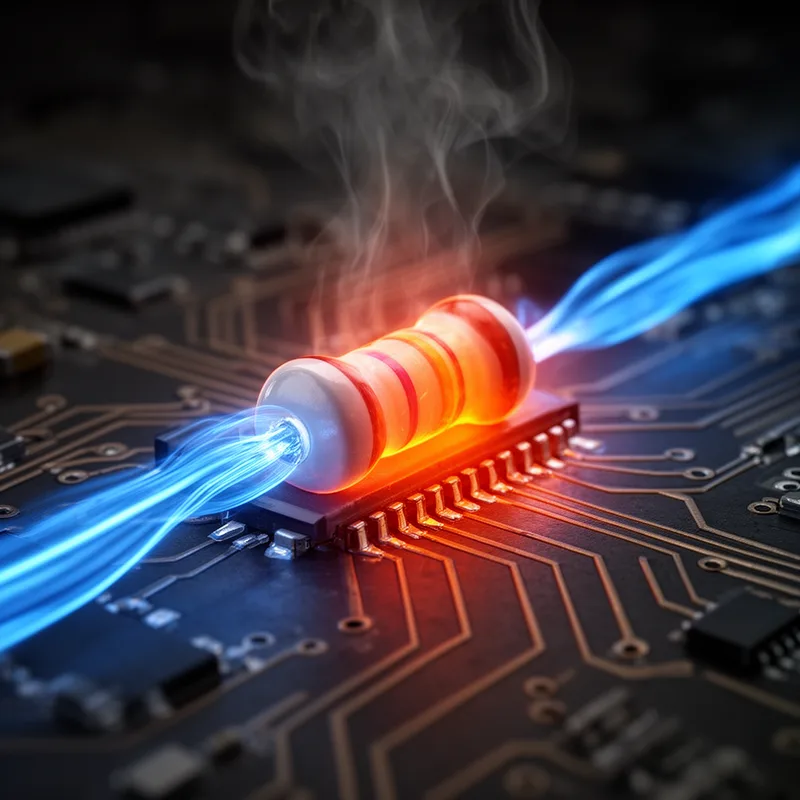
- Most computers dissipate over two thirds of the energy they consume as heat.
- dissipate energy
- dissipate heat
- systems dissipate energy
Loading YouTube…
Watch on YouTubeSo all of this is made of aluminum, which, you know, also helps to dissipate the heat as well.
- So all of this is made of aluminum, which, you know, also helps to dissipate the heat as well.
Examples
-
Finally, the package provides a means to dissipate the heat generated when the chips are powered.
Academic text (1998) -
The watts for real power is a measure of how much power is actually being dissipated in our circuit.
-
Because the systems constantly dissipate net energy, they operate away from equilibrium.
Academic text (2006) -
And if these guys can't dissipate heat, then the resistance inside is going to increase.
-
Here, viscous processes dissipate the energy into heat and smooth out all details.
Academic text (1995) -
Thus, the ball dissipates about 75 percent of its energy during impact.
Academic text (2010) -
And when current flows through a resistor, it dissipates power, right?
-
Our bodies, for example, are maintained in a nonequilibrium state by metabolic processes that dissipate heat all the time.
Academic text (2006) -
The radiator of the MSRE (top) dissipates heat from the molten salt coolant.
Academic text (2010) -
Most computers dissipate over two thirds of the energy they consume as heat.
Antonyms

How Much Energy
536
1.0

- Specialized
7
6.7
∞
1.0
212
1.0
60
3.0
496
3.4
Surface Forms
Morphology
dissipate = dissip + ate
Although the verb ends in the familiar suffix '-ate', the stem 'dissip-' is not a standalone English word and the apparent prefix 'dis-' does not function transparently here, so learners cannot reliably infer the meaning from component parts.
Etymology
Dissipate comes from dis- 'apart' and a root meaning 'scatter', so in physics it describes energy that is 'scattered away' as heat. That's why energy that dissipates is no longer available for useful work.