
radical
 9
8.1
9
8.1

- noun
- /ˈrædɪkəl/
- Specialized
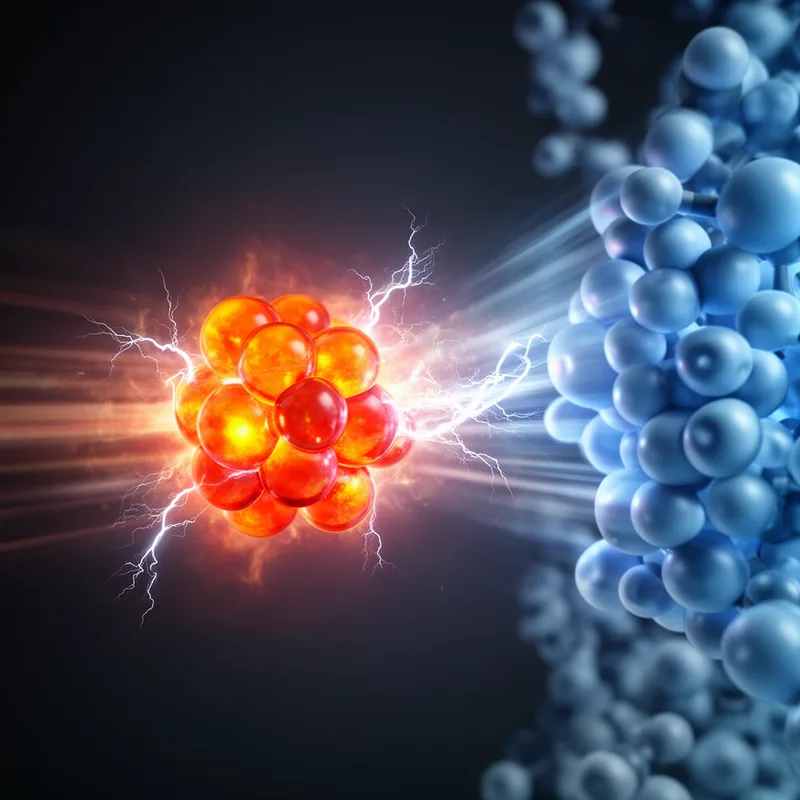
- In chemistry, a radical can be defined as an atom or group of atoms that has unpaired electrons.
- free radicals
- highly reactive radicals
- formation of free radicals
Loading YouTube…
Watch on YouTubeWell, in fact, these radicals studied in solution don't combine.
- Well, in fact, these radicals studied in solution don't combine.
- When they react, hydroxyl radicals and methane produce water and carbon dioxide.
- OK, so now let's do a Lewis structure for this and see what see this radical species.
- So hydrogen is one of the great antioxidants, stabilizers of free radicals in nature.
- It creates a state of imbalance inside your cells where free radicals and high energy particles start flying around.
- Now antioxidants protect your cells against free radical damage against proteins like S catechin.
Examples
-
During normal body processes, free radicals are produced that have the potential to cause cancer and cell damage.
Academic text (2012) -
It creates a state of imbalance inside your cells where free radicals and high energy particles start flying around.
-
And it's based on a process that takes place down at the molecular level, something called the radical pair mechanism.
-
So this is the radical that comes from ethylene.
-
Normal byproducts of metabolism, called oxygen free radicals, also cause damage.
Academic text (2003) -
So hydrogen is one of the great antioxidants, stabilizers of free radicals in nature.
-
There are combustion stimulating molecules and radicals generated in this process.
-
The vitamin and chemical scavengers would deal with the free radicals before they could cause any irreversible damage.
Fiction book (1992) -
When they react, hydroxyl radicals and methane produce water and carbon dioxide.
-
The superoxide radical is converted to hydrogen peroxide by superoxide dismutase.
Academic text (2017)
Synonyms
 8
5.1
8
5.1
A small unstable atom or molecule that can damage body cells by reacting with them
Compounds
- Specialized
8
5.1
A small unstable atom or molecule that can damage body cells by reacting with them

- Specialized
3
6.1
Surgery that removes a breast, chest muscles, and lymph nodes under the armpit to treat breast cancer
- Specialized
1
7.2
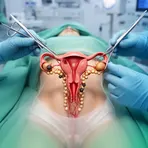
Surgery that removes the womb, ovaries, fallopian tubes, cervix, and nearby lymph nodes to treat cancer

- Specialized

 1
6.8
1
6.8
A surgery that removes a breast with nearby chest muscle and some armpit lymph nodes


- Specialized
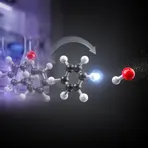
A small chemical group formed when toluene loses one hydrogen atom from its methyl part

- Specialized
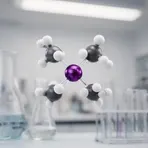
A small chemical group made of one carbon and one nitrogen atom written as -CN

- Specialized
A small chemical group made of one carbon and one nitrogen atom that attaches to other molecules, written as −CN
- Specialized
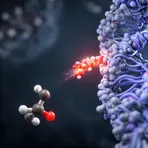
A small group of atoms from acetic acid that can attach to other molecules

- Specialized
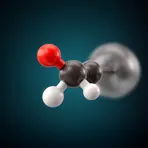
A carbon atom double-bonded to oxygen and single-bonded to hydrogen
- Specialized
A group of carbon and hydrogen atoms that attaches to a molecule with one free bond
- Specialized
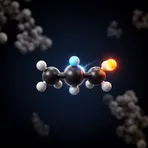
A small, reactive part of a molecule with three carbon atoms and one unpaired electron
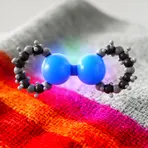
- Specialized
A chemical group with two nitrogen atoms that links two carbon chains and gives bright colours to dyes
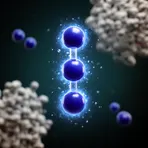
- Specialized
A small chemical group made of three nitrogen atoms that carries a negative charge
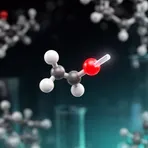
- Specialized
A part of a molecule used in chemistry, formed from the acid in vinegar, written CH3CO
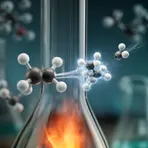
- Specialized
A small reactive group of two carbon and five hydrogen atoms that forms when ethane loses one hydrogen atom

- Specialized
A very reactive group of one carbon and two hydrogen atoms that exists briefly in chemical reactions

- Specialized
A very active group of one carbon and three hydrogen atoms with formula CH3, formed when methane loses one hydrogen

- Specialized
A small chemical part made of one oxygen and one hydrogen atom that reacts quickly
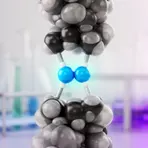
- Specialized
A small chemical group made of two nitrogen atoms and hydrogen that can attach to a molecule at two places
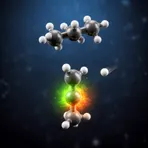
- Specialized
A small reactive part of a molecule made from propane when it loses one hydrogen


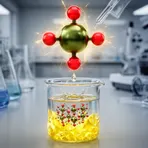
- Specialized
A charged particle made of uranium and oxygen that forms salts with acids
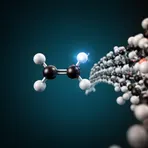
- Specialized
A small chemical group with formula CH2=CH− that reacts easily in making plastics
How Radical
- Specialized
9
8.1

- Specialized
Surface Forms
Morphology
radical = radic + al
The chemical sense (reactive group/atom) is historically linked to the 'root' notion but is specialized and not directly inferable by general learners from the form 'radic' + '-al'.
Etymology
Radical comes from the Latin radix, meaning 'root'. In chemistry, a radical is a part of a molecule that acts like a basic 'root' group and so can be very reactive in reactions.