

radical
 4
7.7
4
7.7

- adjective
- /ˈrædɪkəl/
- Specialized
- In linguistics, the radical of the word 'unhappiness' is 'happy.'
Examples
-
The radical form of the verb 'running' is 'run.'
-
Expect to see new products and radical changes in old ones.
Academic text (2005) -
What is at stake in these apparently minor philosophical differences between cognitivism and radical interpretation?
Academic text (2001) -
Irigaray's utopian linguistic structures identify the need for a radical approach to subject positions in terms of gender politics.
Academic text (1994) -
Encountering the Aleph, in part, is visually to encounter a radical form of complete (thus inconceivable) knowledge.
Academic text (2001) -
The recurrence was treated with radical surgical excision and radiation therapy, and the patient remained disease-free at 5 years of follow-up.
Academic text (2006) -
Our results suggest that surgeons should approach radical prostatectomy with care to avoid seeding from the prostate gland.
Academic text (1995) -
Understanding the radical roots of words can help improve vocabulary.
Compounds

- Specialized
8
5.1
A small unstable atom or molecule that can damage body cells by reacting with them

- Specialized
3
6.1
Surgery that removes a breast, chest muscles, and lymph nodes under the armpit to treat breast cancer

- Specialized
1
7.2
Surgery that removes the womb, ovaries, fallopian tubes, cervix, and nearby lymph nodes to treat cancer

- Specialized

 1
6.8
1
6.8
A surgery that removes a breast with nearby chest muscle and some armpit lymph nodes

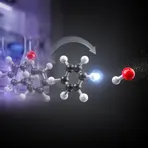

- Specialized
A small chemical group formed when toluene loses one hydrogen atom from its methyl part
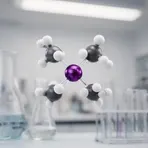

- Specialized
A small chemical group made of one carbon and one nitrogen atom written as -CN

- Specialized
A small chemical group made of one carbon and one nitrogen atom that attaches to other molecules, written as −CN
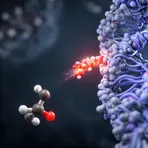
- Specialized
A small group of atoms from acetic acid that can attach to other molecules

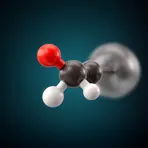
- Specialized
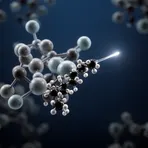
A carbon atom double-bonded to oxygen and single-bonded to hydrogen
- Specialized
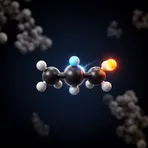
A group of carbon and hydrogen atoms that attaches to a molecule with one free bond
- Specialized
A small, reactive part of a molecule with three carbon atoms and one unpaired electron

- Specialized
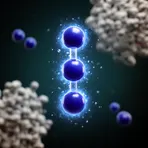
A chemical group with two nitrogen atoms that links two carbon chains and gives bright colours to dyes
- Specialized
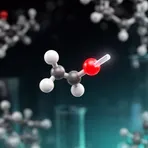
A small chemical group made of three nitrogen atoms that carries a negative charge
- Specialized
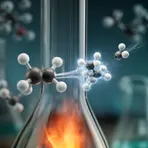
A part of a molecule used in chemistry, formed from the acid in vinegar, written CH3CO
- Specialized
A small reactive group of two carbon and five hydrogen atoms that forms when ethane loses one hydrogen atom

- Specialized
A very reactive group of one carbon and two hydrogen atoms that exists briefly in chemical reactions

- Specialized
A very active group of one carbon and three hydrogen atoms with formula CH3, formed when methane loses one hydrogen

- Specialized
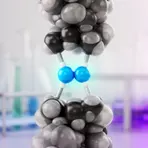
A small chemical part made of one oxygen and one hydrogen atom that reacts quickly
- Specialized
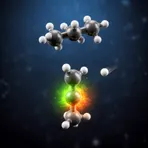
A small chemical group made of two nitrogen atoms and hydrogen that can attach to a molecule at two places
- Specialized
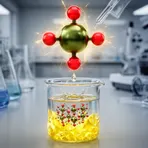
A small reactive part of a molecule made from propane when it loses one hydrogen


- Specialized
A charged particle made of uranium and oxygen that forms salts with acids
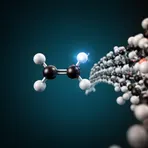
- Specialized
A small chemical group with formula CH2=CH− that reacts easily in making plastics
Surface Forms
Morphology
radical = radic + al
Formed from the combining form 'radic-' + the adjectival suffix '-al'; because 'radic' is not a standalone English base, the relation to a familiar base is not obvious to an average learner.
Etymology
Radical comes from the Latin radix, meaning 'root'. In linguistics, calling something radical means it relates to the 'root' part of a word or verb.