
radical
 6
8.1
6
8.1

- adjective
- /ˈrædɪkəl/
- Specialized
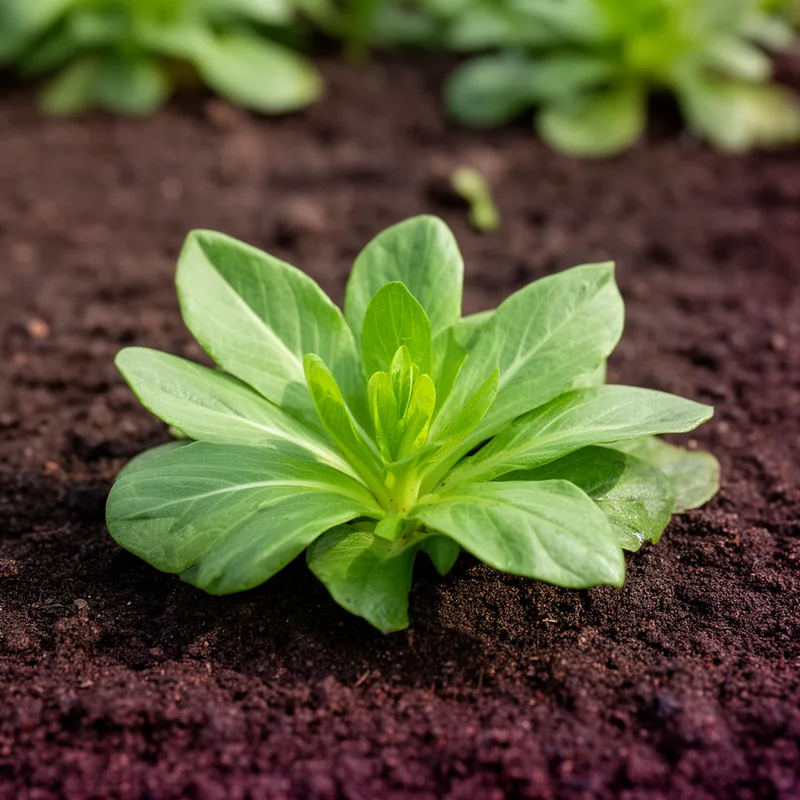
- The radical growth of new roots was an indication that the plant was thriving in its environment.
Examples
-
In botany, a radical leaf is one that grows directly from the ground, often linked to the root of the plant.
-
Three months following completion of radiation therapy, radical neck dissection was carried out.
Academic text (1995) -
What's known as a modified radical mastectomy.
-
The patient was treated with radical neck dissection and postoperative radiotherapy.
Academic text (2005) -
The patient underwent a modified radical mastectomy according to the FNAC report.
Academic text (2007) -
Mrs. XYZ is a 56-year-old postmenopausal lady who underwent left side modified radical mastectomy for breast carcinoma.
Academic text (2007) -
The gardener noted that the radical leaves were sprouting directly from the base of the plant.
Synonyms

 1
7.7
1
7.7
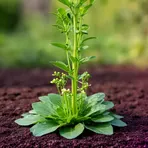
Growing at the base of a plant near the root
Antonyms
Compounds

- Specialized
8
5.1
A small unstable atom or molecule that can damage body cells by reacting with them

- Specialized
3
6.1
Surgery that removes a breast, chest muscles, and lymph nodes under the armpit to treat breast cancer

- Specialized
1
7.2
Surgery that removes the womb, ovaries, fallopian tubes, cervix, and nearby lymph nodes to treat cancer

- Specialized
1
6.8
A surgery that removes a breast with nearby chest muscle and some armpit lymph nodes


- Specialized
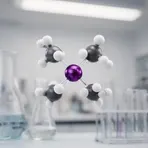
A small chemical group formed when toluene loses one hydrogen atom from its methyl part

- Specialized
A small chemical group made of one carbon and one nitrogen atom written as -CN

- Specialized
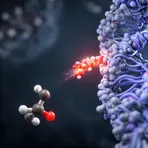
A small chemical group made of one carbon and one nitrogen atom that attaches to other molecules, written as −CN
- Specialized
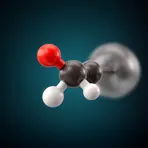
A small group of atoms from acetic acid that can attach to other molecules

- Specialized
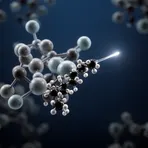
A carbon atom double-bonded to oxygen and single-bonded to hydrogen
- Specialized
A group of carbon and hydrogen atoms that attaches to a molecule with one free bond
- Specialized
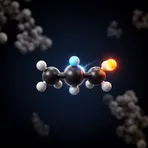
A small, reactive part of a molecule with three carbon atoms and one unpaired electron

- Specialized
A chemical group with two nitrogen atoms that links two carbon chains and gives bright colours to dyes
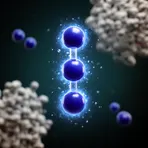
- Specialized
A small chemical group made of three nitrogen atoms that carries a negative charge
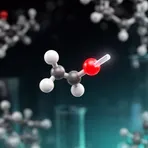
- Specialized
A part of a molecule used in chemistry, formed from the acid in vinegar, written CH3CO
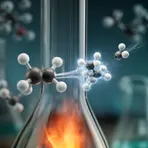
- Specialized
A small reactive group of two carbon and five hydrogen atoms that forms when ethane loses one hydrogen atom

- Specialized
A very reactive group of one carbon and two hydrogen atoms that exists briefly in chemical reactions

- Specialized
A very active group of one carbon and three hydrogen atoms with formula CH3, formed when methane loses one hydrogen

- Specialized
A small chemical part made of one oxygen and one hydrogen atom that reacts quickly
- Specialized
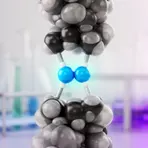
A small chemical group made of two nitrogen atoms and hydrogen that can attach to a molecule at two places
- Specialized
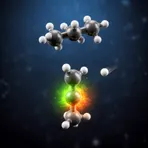
A small reactive part of a molecule made from propane when it loses one hydrogen


- Specialized
A charged particle made of uranium and oxygen that forms salts with acids
- Specialized
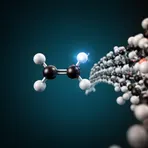
A small chemical group with formula CH2=CH− that reacts easily in making plastics
Surface Forms
Morphology
radical = radic + al
The botanical sense literally relates to 'root' (i.e., arising from the root), but this relation relies on technical/botanical knowledge and the combining form is not a standalone English word.
Etymology
Radical comes from the Latin radix, meaning 'root'. In plants, radical parts grow at or from the 'root', which is why the word describes leaves or shoots at the base.