
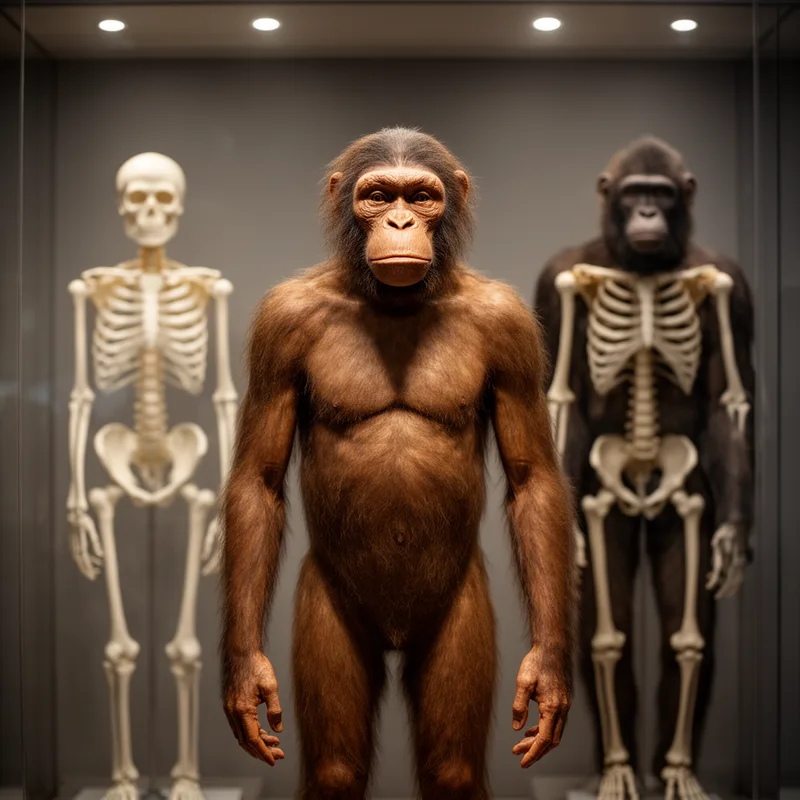
pithecanthrope

pithecanthrope

9.9
An extinct early human relative with ape features
  • noun
  • /ˌpɪθɪˈkænθroʊp/
  • Archaic
translation icon : Pithecanthropus
  • The discovery of a pithecanthrope skull provided new insights into human evolution.

Examples

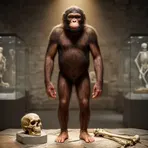
  • In the museum, a reconstructed pithecanthrope stands next to modern human skeletons.

  • Many scientists study the pithecanthrope to understand human evolution.

  • Scientists debated whether the fossil truly belonged to a pithecanthrope or another early species.

  • The pithecanthrope lived millions of years ago.

  • The discovery of a pithecanthrope skull provided new insights into human evolution.

  • In the museum, a reconstructed pithecanthrope stands next to modern human skeletons.

  • Many scientists study the pithecanthrope to understand the development of early human traits.

Synonyms

Ardipithecus
vspithecanthrope
  • Specialized
9 9.9

An early human ancestor known from fossils found in Africa

is a broader descriptive word for ape-like ancestors rather than this genus name
Neanderthal man
vspithecanthrope
  • Specialized
1 7.4

An early human who lived long ago in Europe and western Asia

is about ape-like early ancestors rather than later, more human-like species
Paranthropus
vspithecanthrope
  • Specialized
1 9.9

An extinct early human relative that lived in Africa long ago

is a general descriptive label for ape-like ancestors rather than a technical genus
prehuman
vspithecanthrope
  • Specialized
1 7.7

An early ancestor of people like us who lived long ago
emphasizes ape-like appearance more than simple chronological precedence
Sivapithecus
vspithecanthrope
  • Specialized
1 9.9

An extinct ape from South Asia that is related to orangutans
is about ape-like early human ancestors rather than species linked mainly to apes
Gigantopithecus
vspithecanthrope
  • Specialized
1 9.9

A very large ape that lived in Asia during the Ice Age
is a term for ape-like early human ancestors rather than large Pleistocene apes
Pithecanthropus
vspithecanthrope
  • Archaic
9.9

A former name for an early human found in Java, now called Homo erectus

is a broader descriptive label for ape-like early ancestors rather than a formal genus
genus Pithecanthropus
vspithecanthrope
  • Archaic
9.9

A former name for fossil humans now called Homo erectus

is a general label for ape-like early ancestors, not a specific old genus
Pithecanthropus erectus
vspithecanthrope
  • Archaic
9.9

An old name for early human fossils now called Homo erectus

is a general descriptive word for ape-like ancestors rather than a species term
Trinil man
vspithecanthrope
  • Specialized
9.9

Fossil bones of an early human found in Java, Indonesia

is a broad descriptive term for ape-like ancestors, not one fossil
Sinanthropus
vspithecanthrope
  • Archaic
9.9

An extinct early human from long ago now called Homo erectus

is a broad descriptive label for ape-like ancestors rather than a fossil name
genus Plesianthropus
vspithecanthrope
  • Archaic
9.9

An old scientific name for early humanlike fossils now called Australopithecus

is a general descriptive label for ape-like ancestors, not a historic genus name
Australopithecus
vspithecanthrope
  • Specialized
9.9

An extinct early human ancestor from Africa that lived long ago

is a descriptive term for ape-like early ancestors rather than a taxonomic genus
Australopithecus afarensis
vspithecanthrope
  • Specialized
9.9

An extinct early human ancestor known from fossils found in Ethiopia

is a general descriptive label for ape-like ancestors, not this single species
Australopithecus africanus
vspithecanthrope
  • Specialized
9.9

An extinct early human ancestor that lived in southern Africa about three million years ago

is a broader descriptive label for ape-like ancestors rather than that species name
Australopithecus boisei
vspithecanthrope
  • Specialized
9.9

An early human relative with very large teeth that lived in eastern Africa one to two million years ago

is a general label for ape-like early ancestors rather than this specific species
Australopithecus robustus
vspithecanthrope
  • Specialized
9.9

An extinct early human relative with large teeth that lived in southern Africa around two million years ago

is a general label for ape-like early ancestors, not this particular species
Zinjanthropus
vspithecanthrope
  • Archaic
9.9

A former scientific name for an extinct early human fossil

is a broad descriptive term for ape-like ancestors rather than an old genus name
genus Paranthropus
vspithecanthrope
  • Archaic
9.9

A group of extinct early human ancestors like Australopithecus robustus
is a descriptive term for ape-like early ancestors, not a historic genus label
protohuman
vspithecanthrope
  • Specialized
9.3

A human ancestor from before modern humans

focuses on ape-like physical features rather than merely being an early ancestor
ape-man
vspithecanthrope
  • Archaic
9.1

An early human with features between apes and people today

is a neutral scientific descriptor for ape-like early ancestors rather than a figure
proconsul
vspithecanthrope
  • Specialized
9.9

An extinct early primate believed to be an ancestor of apes and humans

is focused on ape-like early human ancestors rather than general primate ancestors
Aegyptopithecus
vspithecanthrope
  • Specialized
9.9

An extinct early primate from Egypt that lived before modern apes

is a term for ape-like human ancestors rather than broader early primate genera
Kenyapithecus
vspithecanthrope
  • Specialized
9.9

An extinct primate with large back teeth and strong jaws found as fossils in Kenya

is centered on ape-like early human ancestors rather than primate dental traits
Ouranopithecus
vspithecanthrope
  • Specialized
9.9

A large extinct ape that lived in Greece and Turkey

is a descriptive term for ape-like early ancestors rather than this regional fossil genus
dryopithecine
vspithecanthrope
  • Specialized
9.9

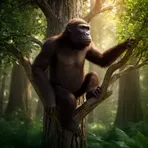
An extinct ape from millions of years ago that may be an ancestor of modern apes and humans
is a general term for ape-like early human ancestors rather than an ape subgroup
Dryopithecus
vspithecanthrope
  • Specialized
9.9

An extinct ape that lived long ago in parts of Europe and Asia, often in trees

concerns ape-like early human ancestors rather than broader fossil apes of that era
Lufengpithecus
vspithecanthrope
  • Specialized
9.9

A large extinct ape known from fossils in East Asia

is focused on ape-like early human ancestors rather than regional great apes
Homo rhodesiensis
vspithecanthrope
  • Specialized
9.9

An early human who lived in Africa and is known from old bones

is a broader label for ape-like early ancestors rather than later robust human species
Rhodesian man
vspithecanthrope
  • Specialized
9.9

A type of early human from long ago with bones found in Zambia

is a general descriptor for ape-like early ancestors rather than this robust fossil
Homo antecessor
vspithecanthrope
  • Specialized
9.9

An early human known from bones found in Spain about one million years ago

is a general label for ape-like early ancestors rather than this European species
Neandertal
vspithecanthrope
  • UK
7.2

An extinct group of humans that lived in Europe and western Asia long ago

is a general descriptive term for ape-like early ancestors, not these later humans
Neandertal man
vspithecanthrope
  • UK
9.3

A type of human that lived in Europe and western Asia long ago and is now extinct

is a broader term for ape-like early ancestors rather than these later human species
Cro-Magnon
vspithecanthrope
  • Specialized
9.7

An early modern human who lived in Europe during the late Ice Age

is about ape-like early ancestors rather than early modern human forms
Boskop man
vspithecanthrope
  • Archaic
9.9

A possible early human known from a skull found in South Africa

is a general term for ape-like early ancestors rather than later early modern humans

How Apelike

ape
118 1.0
pithecanthrope
  • Archaic
9.9
prehuman
  • Specialized
1 7.7
hominid
  • Specialized
12 7.6
Homo sapiens
  • Specialized
2 4.0

Surface Forms

Morphology

pithecanthrope = pithec + anthrop

Although historically analyzable as 'ape' + 'man' in Greek, the combining forms are not recognizable English words, so the etymological components do not make the meaning guessable for learners.

Etymology

Pithecanthrope comes from Greek parts pithekos ('ape') and anthropos ('man'), and the same anthropos appears in words like anthropology, so the term was used for extinct, ape-like human ancestors and fossils.