
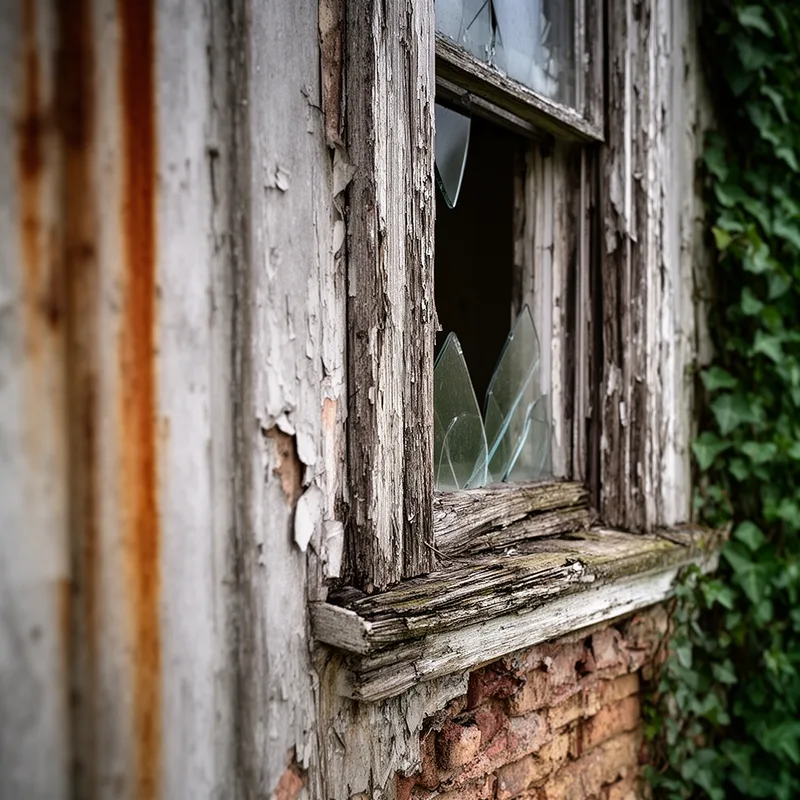
decay
 50
4.5
50
4.5

- noun
- /dɪˈkeɪ/
- Many communities are suffering from decay due to the loss of local businesses and services over the years.
- moral decay
- urban decay
- economic decay
Loading YouTube…
Watch on YouTubeWhich of these is not caused by the moral decay of the system of private property?
- Which of these is not caused by the moral decay of the system of private property?
- And, and yes, there's the decay, there's the physical and mental decay.
- We just don't know how, how slow or how fast the decay is going to be.
Examples
-
So it's like a slow decay of South America.
-
But more than any quality of violence, the place suggests decay, a human site slowly being returned to the earth.
Fiction book (1994) -
Which of these is not caused by the moral decay of the system of private property?
-
Your DNA shows no sign of decay.
-
The work had been abandoned before completion, and decay had taken over.
Fiction book (1992) -
You are living in a period of decay; learn to deal with confusion and disorder, it says.
Fiction book (1996) -
They are a sign of a nation's decay.
-
Look at all these people jogging, trying to stave off the inevitable decay of the body.
-
Italy was not the only country afflicted by a sense of historical decay and moral degeneration.
Academic text (1994) -
City planners sought to change the town's structure and eliminate the ill effects of downtown decay and increasing suburbanization.
Academic text (2011)
Synonyms
 439
3.9
439
3.9
A gradual loss in amount, quality, or value
 43
5.9
43
5.9
A slow change when something like a building or a person's health becomes worse
 33
6.8
33
6.8
The process of making land, water, or buildings worse over time
 29
4.2
29
4.2
A slow loss of strength, value, or trust
 18
7.9
18
7.9
Slow loss of people or strength caused by continued pressure
 17
3.0
17
3.0
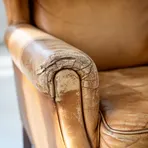
Slow damage that happens to things like cars or furniture from normal use over time
 12
8.5
12
8.5
A gradual loss of muscle or body tissue from not being used
 10
5.6
10
5.6
The process of plant or animal matter breaking down and rotting
 8
7.5
8
7.5
A process of becoming worse in condition, quality, or morals
 6
6.6
6
6.6
A slow decrease in size, strength, or number
 4
6.7
4
6.7
A decrease in size, strength or importance
 3
4.6
3
4.6
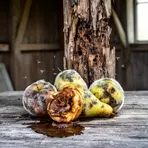
A state when food or wood goes bad
 3
3.4
3
3.4
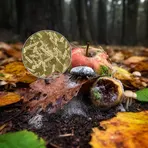
The breaking down of dead plants and animals by bacteria or fungi
 2
7.5
2
7.5
Parts of the body slowly become smaller because of disease or lack of use
 1
8.3
1
8.3
A slow decline from a higher to a lower state in quality or power
 1
6.7
1
6.7
A gradual loss of strength and life from lack of use
 1
8.4
1
8.4
A building or place that becomes run-down and damaged because people do not care for it
 1
9.9
1
9.9
A state of rotting that gives a bad smell
 1
3.9
1
3.9
A fall in how good something is over time
 1
3.0
1
3.0
A slow loss of strength, color, or sound over time


 1
4.2
1
4.2
A change where something becomes worse over time
 1
6.0
1
6.0
A gradual decrease in size or strength

A process that makes a person or thing less strong

A thing that breaks into small pieces and falls apart because of age or lack of care

A slow fall in condition, status, or behaviour
Antonyms


Compounds

- Specialized
5
2.2
Damage to a tooth's hard surface caused by bacteria that often makes a hole



- Specialized
1
6.8
A decrease where an amount falls by the same part over equal times, becoming much smaller over time

- Specialized
A radioactive process where a large atom sends out an alpha particle and becomes another element
How Decayed

Surface Forms
Etymology
Decay comes from Latin parts de- 'down' and cadere 'to fall'. So this noun decay describes the slow 'falling' of something into a worse or weaker state.