
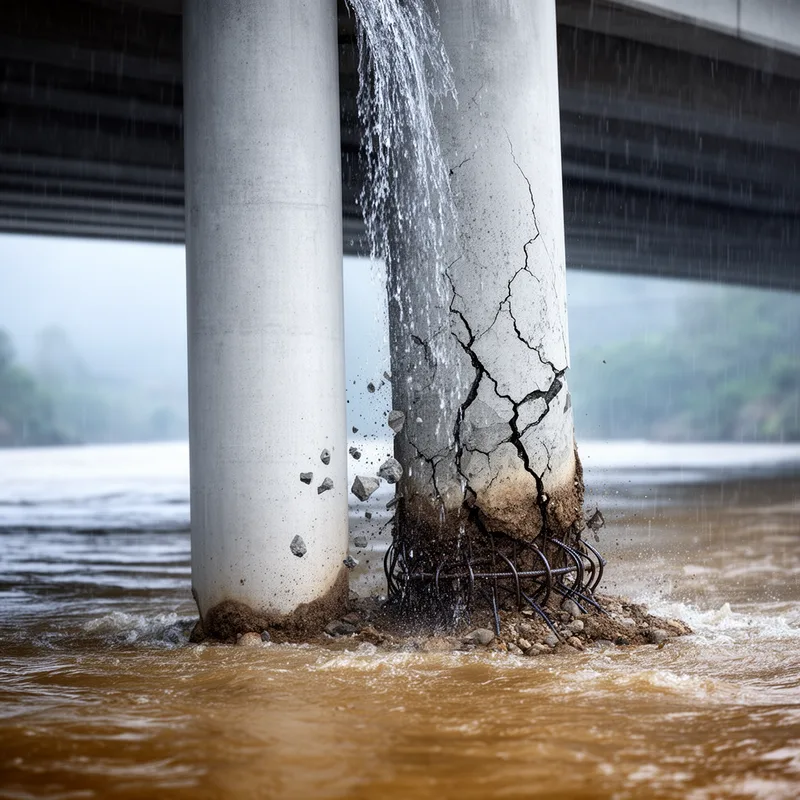
weakening
- noun
- /ˈwiːkənɪŋ/
- The weakening of, of civil liberties, the censorship, all that stuff was already underway.
Loading YouTube…
Watch on YouTubeHe doesn't like the weakening of the senatorial classes.
- He doesn't like the weakening of the senatorial classes.
- And so by weakening your ability to feel pain, you actually weaken your ability to feel joy.
- so no time is required for weakening. OK, now it's
- We thought we finally got a weakening report that implied the Fed might be done.
Examples
-
The weakening of the concrete structure was evident after years of exposure to harsh weather.
-
Experts discussed the weakening of the local economy due to increased unemployment rates.
-
On Weakening Rights in Order to Save Them
Blog text (4) -
That, in my opinion is a weakening of Binance's risk tolerance.
-
So if that's one, the weakening of the family, what are some other things that you think of have depleted the soil?
-
You're seeing a weakening of a network, a network that is now taking stronger priming to pull it out of there.
-
She noticed that when they do change in brightness, it's a sharp rise to brightness and then a slow weakening to the faintness.
-
Residents expressed concern over the weakening of public services in their neighborhood.
Synonyms

 84
2.2
84
2.2

A drop in amount or number
 43
5.9
43
5.9
A slow change when something like a building or a person's health becomes worse
 33
6.8
33
6.8
The process of making land, water, or buildings worse over time
 18
7.9
18
7.9
Slow loss of people or strength caused by continued pressure
 7
3.2
7
3.2
A decrease in size, amount, or value
 5
5.1
5
5.1
A decrease in size, amount, or value
 5
7.9
5
7.9
A decrease in size, amount, or importance
 4
3.8
4
3.8
A decrease in amount, size, or strength
 4
6.7
4
6.7
A decrease in size, strength or importance
 3
4.6
3
4.6
A decrease in amount or level, for example moving to a lower job
 1
6.7
1
6.7
A slow decrease in strength, amount, or intensity
 1
8.3
1
8.3
A slow decline from a higher to a lower state in quality or power
 1
5.2
1
5.2
A slow decrease in size, number, or strength
 1
5.6
1
5.6
A change when something becomes less tight, strong, or intense
 1
5.5
1
5.5
Becoming smaller or less over time until almost gone


 1
6.0
1
6.0
A gradual decrease in size or strength
 1
4.2
1
4.2
A change where something becomes worse over time

Making someone or something weak and less able to do things
Becoming less in size, number, amount or importance

Becoming less in number, size, or strength

To make something less in amount, value, or level

A slow reduction in size or amount done in stages

A slow loss of strength or growth in something
Antonyms

How Weakening

Surface Forms
Morphology
Etymology
Weakening comes from the simple parts weak ('not strong'), -en ('to make'), and -ing ('the act or process'). So a weakening is the act or process of making something less strong, like slow rain that wears away a bridge or an illness that lowers a voice.