
slackening
 1
5.6
1
5.6

- noun
- /ˈslækənɪŋ/
- But the slackening of the guilty tension did not lead to Gide's emergence as a specifically homosexual novelist.
Examples
-
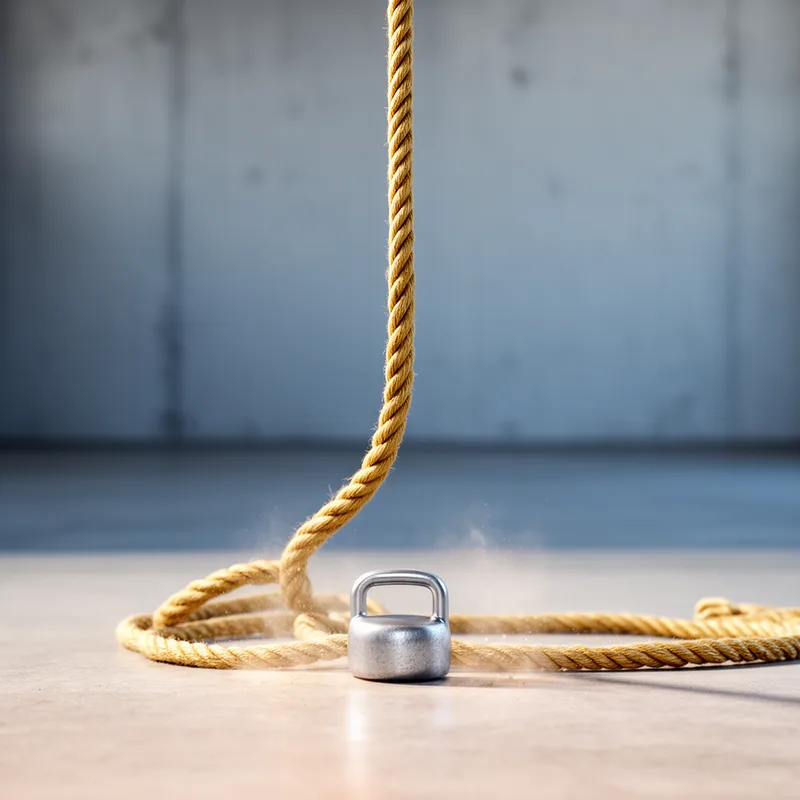
The slackening of the rope allowed the boat to drift freely in the water.
-
There was no sudden silence or perceptible slackening of activity as we entered.
Fiction book (1991) -
Our host, noticing the slackening of our interest, showed us to our rooms.
Fiction book (2001) -
There is a general slackening of appetites.
Fiction book (1991) -
In that moment, Nyx felt the slackening of the mages' guard.
Fiction book (1993) -
They hugged, but Beth felt the slackening, the dip.
Fiction book (1996) -
She senses the slackening of his muscles and slumps onto the couch.
Fiction book (2001) -
Sister Gertrude's deep-set eyes had watched her closely as if looking for any defect, any slackening of purpose.
Fiction book (1994) -
Does this reduction in state police representation at the top of the political system signify a slackening of authoritarian control in Vietnam's political system?
Academic text (1992) -
An immitigable highbrow, Eliot was concerned about the slackening of high culture and the diminishing quality of education—concerns that have proved prophetic.
Academic text (2010)
Synonyms
 84
2.2
84
2.2
A drop in amount or number
 53
3.7
53
3.7
A time when activity or progress becomes slower than usual
 34
4.4
34
4.4
A process of becoming smaller in size or amount
 13
2.7
13
2.7
A decrease in how fast something moves or happens
 8
2.7
8
2.7
The process of becoming softer or less firm
 7
3.2
7
3.2
A decrease in size, amount, or value
 6
3.4
6
3.4
Making something less tight or less strict
 6
3.2
6
3.2
Making a rule or limit less strict so people can do more
 5
5.1
5
5.1
A decrease in size, amount, or value
 4
3.8
4
3.8
A decrease in amount, size, or strength
 4
6.7
4
6.7
A decrease in size, strength or importance
 3
4.6
3
4.6
A decrease in amount or level, for example moving to a lower job
 1
6.7
1
6.7
A slow decrease in strength, amount, or intensity
 1
5.5
1
5.5
Becoming smaller or less over time until almost gone
 1
5.2
1
5.2
A slow decrease in size, number, or strength
 1
5.1
1
5.1
A period when something gets worse


 1
5.3
1
5.3
A drop in strength or level of something, like noise and excitement
 1
6.0
1
6.0
A gradual decrease in size or strength

A state when something is loose rather than tight

Making something less tight

A process that makes a person or thing less strong

A slow reduction in size or amount done in stages
Antonyms

How Intense

Surface Forms
Morphology
Etymology
Slackening comes from the simple word slack, which means 'loose', plus -en meaning 'to make' and -ing which turns it into the action. So slackening is the process of something becoming 'loose', less tight, or less strong.