

wane
 6
6.6
6
6.6

- noun
- /weɪn/
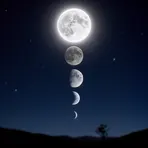
- "The full moon of May is already on the wane," Scott declared.
- waning of power
- waning of interest
- waxing and waning
Loading YouTube…
Watch on YouTubeAnd prior to Paris, the Olympics were kind of on the wane in terms of mainstream kind of excitement about them.
- And prior to Paris, the Olympics were kind of on the wane in terms of mainstream kind of excitement about them.
Examples
-
Perhaps the most obvious manifestation of this was the waning of Rome's importance politically and strategically.
-
Yet today's era is different not only because resource nationalism has been on the wane.
Academic text (1999) -
Now the moon is on the wane.
-
Well, with my large and heavy newspaper career slightly on the wane, i'll probably have more time to myself.
-
Many doctors told me that the "custom" of close marriage was on the wane due to increased awareness of such hygienic problems.
Academic text (2007) -
By 1924, the British were hopeful that the influence of the "Palace party" was on the wane.
Academic text (2006) -
But Bevan did not have much longer to live, and the affiliation was on the wane.
Academic text (1996) -
Some scholars have even regretted the waning of the very idea of a "national" interest today.
Academic text (1999) -
Nevertheless, these findings suggest that, with the waning of the citizen-soldier ideal, democratic civil-military relations become more difficult to sustain.
Academic text (2002) -
The population's interest in traditional print media is on the wane as more people turn to digital news sources.
Synonyms
 29
4.2
29
4.2
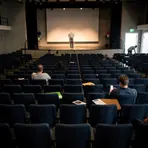
A slow loss of strength, value, or trust
 6
6.5
6
6.5
A gradual fall in strength, power, or public interest
 5
3.8
5
3.8
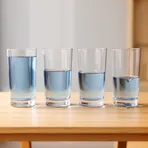
A slow loss of brightness, sound, or strength until almost gone
 4
6.7
4
6.7
A decrease in size, strength or importance
 1
6.7
1
6.7
A slow decrease in strength, amount, or intensity
 1
8.3
1
8.3
A slow decline from a higher to a lower state in quality or power
 1
5.2
1
5.2
A slow decrease in size, number, or strength
 1
3.0
1
3.0
A slow loss of strength, color, or sound over time
 1
5.1
1
5.1
A period when something gets worse

 1
6.0
1
6.0
A gradual decrease in size or strength
 1
7.4
1
7.4
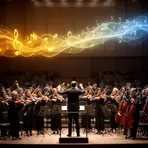
A gradual decrease in volume in music

A process that makes a person or thing less strong

A slow reduction in size or amount done in stages
Antonyms

Idioms

How Much

Surface Forms
Etymology
The noun wane comes from the old English verb wanian meaning 'to lessen'. A wane is a period when something slowly becomes smaller, weaker, or less popular.