
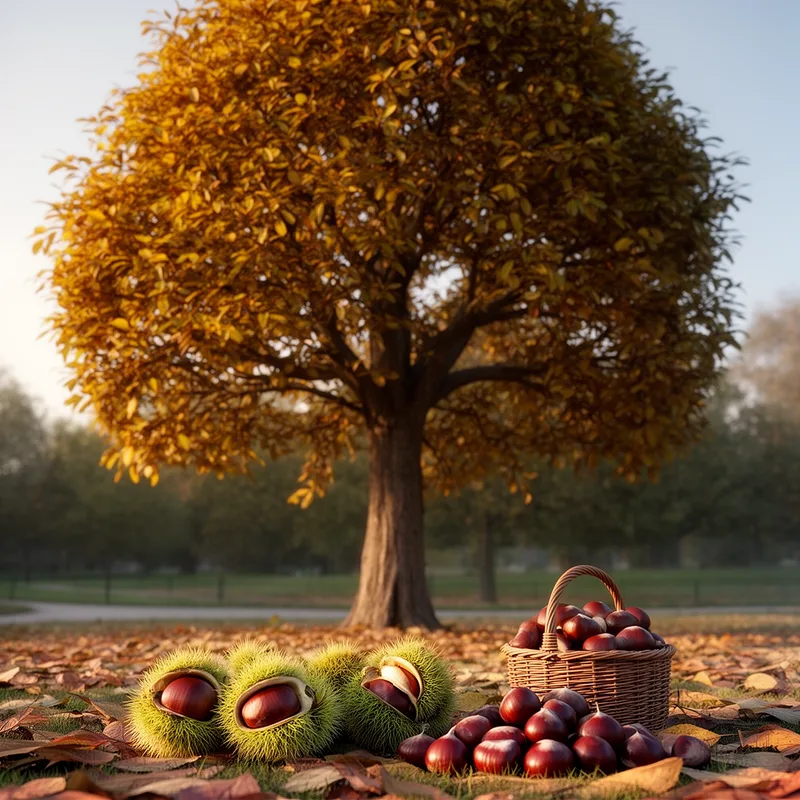
chestnut
 5
3.3
5
3.3

- noun
- /ˈʧɛstnʌt/
- Scattered forests contain mixed stands of oak, chestnut, and beech.
- chestnut oak
- maple and chestnut
- red oak and chestnut
Examples
-
The sun and the shadows from the chestnut tree move closer.
Fiction book (1995) -
Blue patches of fog, fine and pale as powder, moved through the overstory of chestnut limbs and oak limbs clutching bright autumn leaves.
Fiction book (1997) -
You know, 50 years ago, one in every four of these trees was an American Chestnut.
-
In Figure 1, a student measures a bud on a horse chestnut tree.
Academic text (2010) -
And if you look at New England, we used to have dominant chestnut trees, they're gone.
-
Somewhere in Zizkov, there is a square courtyard, and in the center stands a stately chestnut tree.
Fiction book (1999) -
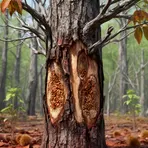
In the area, the weeds lay flat, and in the large chestnut tree nearby, a gash thirty centimeters long had been cut with an axe.
Fiction book (1997) -
Even on the alameda leading to the promenade, where the trees are thick with new life, the chestnuts in full bloom are heralds with great white torches.
Fiction book (2002) -
Blackgum was not able to prosper in this forest in the wake of the chestnut blight because of growing competition from the faster-growing red maple and birch.
Academic text (2007) -
The American chestnut tree produced large edible nuts in a spiny husk.
Synonyms
 3
2.3
3
2.3
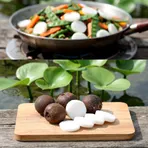
A large tree that makes nuts you can eat in prickly cases and has leaves that turn brown in autumn


 1
5.7
1
5.7
A large eastern North American tree that makes edible nuts and strong wood
A tree that makes sweet, edible nuts and useful wood

A large tree that loses its leaves and makes nuts you can eat and good wood
A large tree that loses its leaves and produces sweet edible nuts and useful wood

A large tree that has sweet edible nuts and gives shade

A large tree that loses its leaves each year, native to eastern North America and known as the American chestnut

A large tree from eastern North America that makes sweet edible nuts and useful wood

A chestnut tree from China and Korea that makes sweet nuts you can eat

A tree from China and Korea that makes small sweet nuts you can eat
A tree from Japan that loses its leaves and produces edible nuts

A small chestnut shrub that produces edible nuts in the southeastern United States
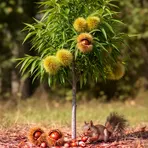
A small chestnut tree from the southeastern United States with small edible nuts
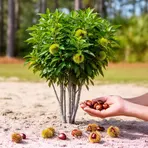
A small bushy tree from the southeastern United States that makes small edible nuts
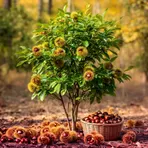
A small tree or shrub in the south of the United States that makes edible nuts
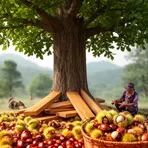
A tree from Asia with strong wood and edible nuts
Compounds
 3
2.3
3
2.3
A large tree that makes nuts you can eat in prickly cases and has leaves that turn brown in autumn


- Specialized
1
7.6
A fungus that makes open sores on American chestnut trees and often kills them
1
5.7
A large eastern North American tree that makes edible nuts and strong wood

- Specialized
A disease that attacks chestnut trees, making sores on the bark and often killing the tree

- US
A North American oak tree with leaves like a chestnut and dark, deeply ridged bark

- Specialized
A disease that kills American chestnut trees by making deep wounds in their bark


A small bushy tree from the southeastern United States that makes small edible nuts
A large tree from eastern North America that makes sweet edible nuts and useful wood

- Australian
A tall Australian tree with orange-yellow flowers and large pods that contain edible seeds like chestnuts
A large tree that loses its leaves and produces sweet edible nuts and useful wood


- Australian
An Australian tree with divided leaves, orange flowers, large pods, and dark strong wood


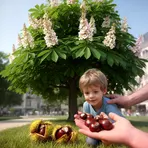
A large tree with hand-shaped leaves and showy flowers that make shiny brown seeds you cannot eat

- Specialized
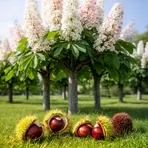
A group of trees like horse-chestnuts with large flowers and glossy inedible seeds in hard cases
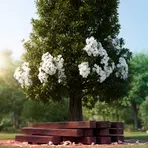
- Indian
A large evergreen tree from India with white sweet-smelling flowers and very hard wood used for building


- Specialized
A medium to large tree with big leaves that grows in wet areas of the southeastern United States

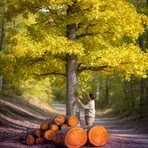
A medium-sized tree from the eastern United States with strong, durable wood
How Big

Surface Forms
Etymology
Chestnut comes from the Latin castanea for the tree that makes the nuts, and because English speakers thought of it as 'chest' + 'nut', the word now means the tree itself.