

officinalis
- adjective
- /ˌɔfɪˈsɪnəlɪs/
- Specialized
- When you see officinalis in a plant's scientific name, it usually means it was used in medicine.
Examples
-
Lavandula officinalis is valued for its calming and healing properties.
-
Many herbs labeled as officinalis are known for their healing properties.
-
The species name officinalis is often given to plants with traditional medicinal uses.
-
The plant officinalis has been used for centuries in traditional medicine.
-
The species name officinalis indicates that the plant has recognized medicinal properties.
-
Lavandula officinalis is commonly used in herbal remedies for its healing effects.
-
In botanical terms, officinalis denotes that a plant has notable medicinal uses.
Synonyms

A word in plant names that shows the plant has medicinal uses
Compounds

- Specialized
A hairy annual herb with blue flowers that people eat in salads, cook as a vegetable, and use as medicine

- Specialized
A garden plant with bright yellow or orange flowers used in teas and skin creams

- Specialized
A South American tree whose bark contains quinine that treats malaria
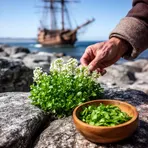
- Specialized
A small coastal plant called scurvy-grass that contains vitamin C and helps prevent scurvy

- Specialized
A garden herb with bright blue star-shaped flowers often used in herbal medicine

- Specialized
A perennial plant from China with white flower clusters and spicy smelling roots used in medicine and cooking
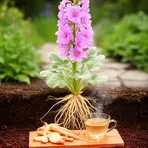
- Specialized
A European plant with lilac-pink flowers whose roots are used for medicine

- Specialized
A small to medium mangrove tree that grows in partly salty water along tropical coasts

- Specialized
A small European herb with grey green leaves and pinkish flowers used in medicine long ago
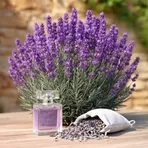
- Specialized
A small Mediterranean shrub with purple flowers that smell pleasant and are used in perfume and small scented bags

- Specialized
A lemon-scented herb used in teas and cooking, also called lemon balm

- Specialized
A plant with yellow flowers from Europe and Asia used to improve soil and give a mild sweet scent
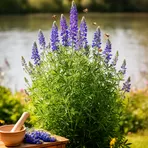
- Specialized
A tall bushy plant with spikes of blue flowers sometimes used in medicine

- Specialized
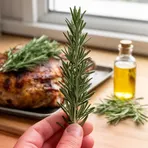
A small European shrub with strong, fragrant leaves people use for cooking, perfume, and traditional remedies
- Specialized
A fragrant evergreen plant with grey-green leaves used in cooking and to make perfume

- Specialized
A low bush called sage with grey-green leaves people use to add flavor to food
- Specialized
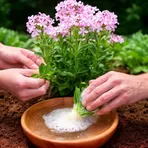
A garden plant with pink or white flowers whose leaves and roots make a natural soap

- Specialized
A small plant that smells like mint and is used in gardens and herbal medicine

- Specialized
A tall plant that lives for many years with fragrant flowers and roots used to help people sleep

- Specialized
A small common European plant with hairy stems and pale blue or lilac flowers
Surface Forms
Etymology
Officinalis comes from the Latin officina, which meant a 'workshop' or 'storeroom' and later a 'medicine shop'. So when a plant name includes officinalis, it shows the plant was kept in old medicine shops and used for healing, which is why the name marks plants with medicinal use.

