

officinale
- adjective
- /ˌɒfɪˈsɪnəl/
- Specialized
- Valeriana officinale is commonly known as valerian and is valued for its calming effects.
Examples
-
The scientific name for dandelion is Taraxacum officinale because of its traditional medicinal uses.
-
Many herbs with the word officinale in their names have been used in herbal medicine for centuries.
-
The officinale variety of lavender is known for its calming effects.
-
Many herbalists recommend officinale plants for their healing properties.
-
The scientific name for dandelion is Taraxacum officinale because of its traditional medicinal uses.
-
Valeriana officinale is commonly known as valerian and is valued for its calming effects.
-
Many herbs with the word officinale in their names have been used in herbal medicine for centuries.
Synonyms

Appears in scientific names to show a plant has medicinal uses
Compounds

- Specialized
An herb like celery with edible leaves, stalks, and seeds used for cooking

- Specialized
A European plant that lives for several years and grows branches at hedges or the edge of woods
- Specialized
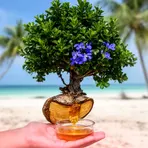
A small evergreen tree from the Caribbean and nearby Americas with very hard wood and a resin used as medicine

- Specialized
A climbing shrub with sweet white flowers people use in perfume and tea

- Specialized
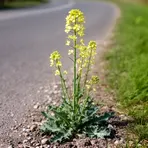
A leafy green plant often called watercress that grows in clean streams and tastes peppery

- Specialized
A common wild plant with yellow flowers and fluffy seed heads whose leaves are eaten in salads
- Specialized
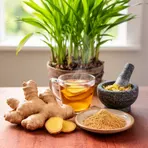
A tropical Asian plant whose root is used in cooking and medicine
Surface Forms
Etymology
The word officinale comes from the Latin officina, which meant a 'workshop' or an old shop where medicines were kept. So when a plant name has officinale, it tells you the plant was known for its medical or herbal use.

