
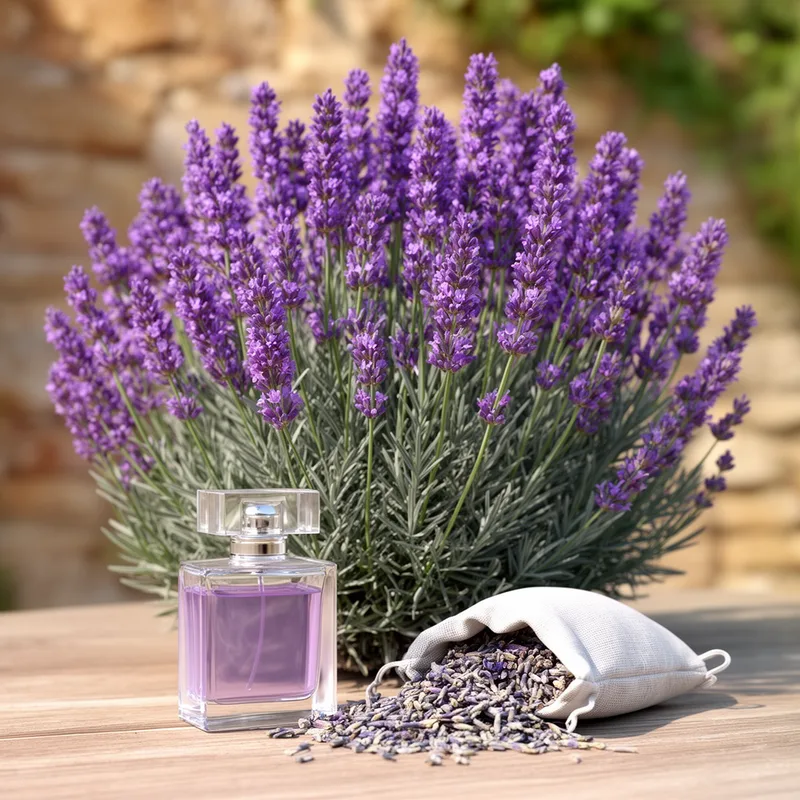
Lavandula officinalis
- noun
- /ləˈvændjʊlə ˌɒfɪˈsɪnəlɪs/
- Specialized
- Many gardeners plant Lavandula officinalis due to its fragrant, lilac flowers.
Examples
-
The essential oil of Lavandula officinalis is prized for its calming scent.
-
Dried Lavandula officinalis blossoms are often used in scented sachets for drawers and closets.
-
The garden was filled with Lavandula officinalis plants.
-
Many people use Lavandula officinalis in their homemade soaps.
-
Dried Lavandula officinalis blossoms are often used in scented sachets for drawers and closets.
-
Many gardeners plant Lavandula officinalis due to its fragrant, lilac flowers.
-
The essential oil of Lavandula officinalis is prized for its calming scent.
Synonyms
 35
1.6
35
1.6

A small plant with narrow leaves and pale purple flowers that smell nice

A small lavender bush with fragrant purple flowers used in perfume and to help people relax

A small fragrant shrub with purple flowers grown for dried flowers and oil
How Fragrant
- Specialized

- Specialized
- Specialized
- Specialized
Surface Forms
Morphology
Given knowledge of 'Lavandula' (the lavender genus) and 'officinalis' (marks plants with medicinal uses), a learner can infer this refers to a species of Lavandula used for traditional/medicinal or aromatic purposes, so much of the meaning is recoverable. However, because this is a Latin botanical binomial and relies on awareness of taxonomic naming conventions and specific common-name equivalence, the composition is not fully predictable for an average B1 learner without extra exposure.
Etymology
Lavandula officinalis may come from the Latin word lavare meaning 'to wash' because people long ago put lavender flowers in bath water to make the air and clothes smell nice. The second part, officinalis, was a label for plants sold in medicine shops, so the name shows the plant was used for scent and for health.