

English lavender
- noun
- /ˈɪŋɡlɪʃ ˈlævəndər/
- Growing English lavender is a great way to attract pollinators to your garden.
Examples
-
In addition to its beauty, English lavender can be used to make calming essential oils.
-
Many people place dried English lavender in closets to keep their clothes smelling fresh.
-
She grows English lavender in her garden for its beautiful fragrance and lovely blooms.
-
The essential oil from English lavender is popular in aromatherapy for its calming scent.
-
I love the scent of English lavender.
-
The garden is full of English lavenders this summer.
-
The garden featured rows of English lavender that filled the air with a soothing fragrance.
Synonyms
 35
1.6
35
1.6

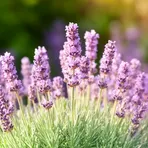
A small plant with narrow leaves and pale purple flowers that smell nice

A small lavender bush with fragrant purple flowers used in perfume and to help people relax
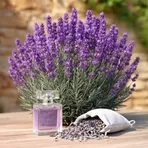
A small Mediterranean shrub with purple flowers that smell pleasant and are used in perfume and small scented bags
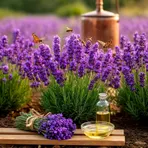
A group of small, sweet-smelling flowering plants grown for fragrant flowers and oil
Surface Forms
Morphology
The phrase is a simple adjectival modifier where 'English' specifies the type or origin of 'lavender', so a learner who knows both words can infer it refers to a variety of lavender associated with England or grown there. This adjective+noun pattern is cross-linguistically common and fully compositional, making the meaning directly derivable from the parts.
Etymology
English lavender comes from a type of lavender that gardeners in England grew for its sweet, clean smell, and people long ago put its flowers in baths and dried them to scent clothes. That's why English lavender today means a small, fragrant shrub with lilac flowers people dry or use for 'fragrance' and 'sachets'.