to march

to march

9 8.6
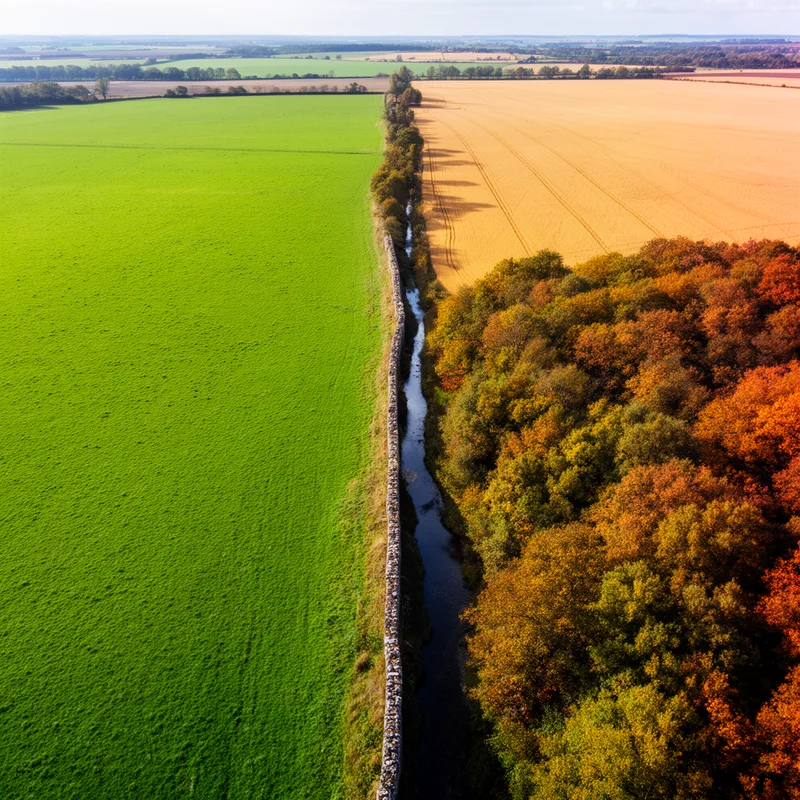
To be next to another area or country
  • verb
  • /mɑrtʃ/
translation icon : limitar con
  • A procession of dunes seems to march seaward, most capped and interlaced with middens.

Examples

  • The two countries march along a shared border, causing frequent diplomatic discussions.

  • "Germany marches into the Rhineland."

  • Only when one can march unopposed into another's territory is one justified in so marching.

    Academic text (2016)
  • The next day, 4,700 Redcoats row to shore and begin to march toward Baltimore.

    Fiction book (1999)
  • On their left, far-distant and hazy, marched a range of impassable-looking mountains.

    Fiction book (1990)
  • He marches his troops into the Rhineland... in defiance of the terms of the Treaty of Versailles.

  • Their village marches with the neighboring region, leading to a mix of cultures and traditions.

  • This area marches the national park, providing a scenic view for visitors.

Synonyms

to border
vsto march
46 2.3

To be next to a country or area along a boundary

is limited to lying adjacent rather than also surrounding or enclosing areas
to adjoin
vsto march
33 5.2

Next to and touching another place, like a house next to a park
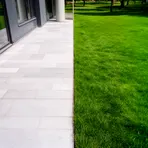
is used especially for land or regions rather than for other objects
to abut
vsto march
7 6.9

To be next to another building or piece of land, sharing a border
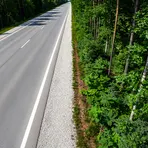
is used mainly for land, countries, or regions not for buildings
to edge
vsto march
3 3.2

To be next to another place, sharing a border
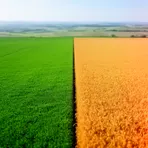
is about lying adjacent generally, not focusing on a side or border line
to butt
vsto march
1 7.3

To be next to something and share a border

is used for regions and countries, not just for private property
to butt against
vsto march
1 5.6

To be next to something and touch its edge

is used for land and countries rather than buildings or structures
to butt on
vsto march
1 9.1

To touch the edge of another piece of land or a building

is for larger geographic borders like countries or regions rather than small properties

Antonyms

256 4.2

To keep someone or something apart from others

16 3.9

To take something off from what it is connected to

Phrasal Verbs

30 3.3

Move forward in a steady, determined way

7 4.4

Leave a building or narrow place walking together in neat rows

To move forward steadily despite problems

Walk together in an organized way toward a fight, showing determination

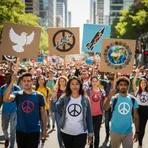
Join a public protest to call for fair treatment

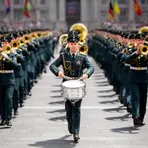
To walk together in an organized group for a parade or ceremony

Compounds

5 1.0

The date when people celebrate Saint Patrick's Day, an Irish holiday

A public walk by many people to show they disagree and ask for change

A piece of music played during a wedding when the bride walks down the aisle

A public march where people demand equal rights for different races

2 3.0

A public event where people protest against war and call for peace

Slow, sad music played during a funeral procession

1 5.1

A marching pace faster than walking and slower than running at about 120 steps per minute

1 8.8

Slow, solemn music played at funerals and memorial services

slow march
  • Formal
1 4.9

A slow, formal walk people make during a ceremony or funeral

line of march
  • Jargon
7.4

An ordered group of people walking in a row

line of march
  • Jargon
6.8

The route a group follows during an organized parade

The time around March 20 when day and night are nearly equal and spring begins in the Northern Hemisphere


A famous American band leader who wrote many military marches

1.0

The middle of March, usually around the 15th

Brisk music with a steady beat that helps soldiers walk together in parades

hunger march
  • Archaic
6.5

A march of people without work to demand jobs or food

6.3

Music with a steady marching beat played during a formal procession

6.8

A piece of music that people play while they leave a formal ceremony like a wedding

How Close

to touch
1.0
to abut
7 6.9
to march
9 8.6
to adjoin
33 5.2
to border
46 2.3
to border on
30 5.2

Surface Forms

march infinitive
marched past
marched past participle
marching present participle
marches third person singular

Etymology

March (of lands) meaning to touch or lie next to another comes from the same old word mark 'boundary', so if one region 'marches' with another it simply means they share a border. This is why old records say counties 'march' upon each other.