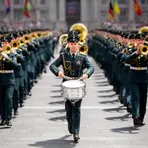
to march

to march

85 3.3
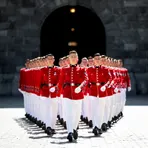
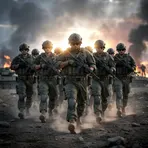
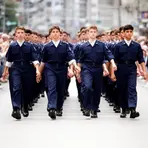
To make people walk in a steady, controlled way often by force
  • verb
  • /mɑrtʃ/
translation icon : obligar a marchar
  • Colombo managed to convince a number of his followers to march outside FBI headquarters until 11 p.m. for several nights.
  • troops marched
  • soldiers marched
  • an army marched

Examples

  • We'll march into her palace and see for ourselves.

  • The drill sergeant ordered the recruits to march in formation to the parade ground.

  • After that, we will march into the heart of Canada and we will...

  • On the third day in the morning, we had to march to a station.

    Academic text (2008)
  • They're just waiting for somebody like you to march in there and give them the excuse to do it.

  • During the day, they would march the cadets to and from classes and to lunch.

    Academic text (2015)
  • When they marched the guys who did it across the yard, everybody started cheering.

  • We're marching them to LZ Bravo.

  • - Crassus wants us to march on Rome? - He's forcing us to.

  • Women had formed a procession and marched through several hamlets shouting demands: Men, stop drinking alcohol!

    Academic text (2008)

Synonyms

to parade
vsto march
27 2.9

To march together in public to celebrate

is used for forced military movement rather than voluntary celebratory displays
to process
vsto march
  • Formal
12 7.2

To walk in a line during a ceremony

is used to force people to walk in organized military or strict groups
to troop
vsto march
6 3.8

To move together in a group, often slowly and in an orderly way

is used to force people to walk in organized military fashion rather than casually

Antonyms

1.8

To let someone or something go free from being held

Phrasal Verbs

30 3.3

Move forward in a steady, determined way

7 4.4

Leave a building or narrow place walking together in neat rows

To move forward steadily despite problems

Walk together in an organized way toward a fight, showing determination

Join a public protest to call for fair treatment

To walk together in an organized group for a parade or ceremony

Compounds

5 1.0

The date when people celebrate Saint Patrick's Day, an Irish holiday

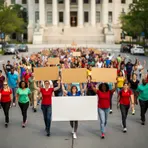
A public walk by many people to show they disagree and ask for change

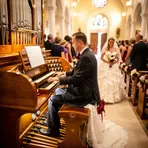
A piece of music played during a wedding when the bride walks down the aisle

A public march where people demand equal rights for different races

2 3.0

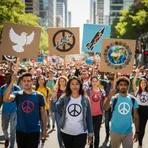
A public event where people protest against war and call for peace

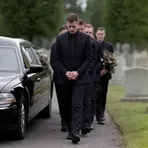
Slow, sad music played during a funeral procession

1 5.1

A marching pace faster than walking and slower than running at about 120 steps per minute
1 8.8

Slow, solemn music played at funerals and memorial services

slow march
  • Formal
1 4.9

A slow, formal walk people make during a ceremony or funeral

line of march
  • Jargon
7.4

An ordered group of people walking in a row

line of march
  • Jargon
6.8

The route a group follows during an organized parade

The time around March 20 when day and night are nearly equal and spring begins in the Northern Hemisphere

A famous American band leader who wrote many military marches

1.0

The middle of March, usually around the 15th

Brisk music with a steady beat that helps soldiers walk together in parades

hunger march
  • Archaic
6.5

A march of people without work to demand jobs or food

6.3

Music with a steady marching beat played during a formal procession

6.8

A piece of music that people play while they leave a formal ceremony like a wedding

How Forced

to herd
  • Offensive
22 3.6
to march
85 3.3
to drive
3.6
to escort
287 4.0
to lead
1.0

Surface Forms

march infinitive
marched past
marched past participle
marching present participle
marches third person singular

Etymology

March meaning to force someone to walk comes from the military use of Old French marcher 'to walk', where leaders made soldiers move in a steady, controlled way. That's why to 'march' someone can mean making them go somewhere in an organised, often strict, line.