

march
 69
1.8
69
1.8

- noun
- /mɑrtʃ/
- The festival's main activity is the reenactment of the slave march to the beach.
- begin a march
- a forced march
- a day's march
Examples
-
The peaceful march drew thousands of people who wanted to express their support for the cause.
-
You've a long march ahead of you.
-
We are three days' march from the Great Wall, if we camp at night.
-
There was a march back in our hometown.
-
And it was a three mile March from Westminster Abbey to Windsor Castle, also known as the Long Walk.
-
If unopposed, he promised a peaceful march to the sea.
-
Wellington's retreat turned into a desperate forced March through autumn rain.
-
Fifty-seven members of the expedition were lost during this march, most through desertion and a few through illness.
Academic text (2006) -
During the hour-and-a-half forced march to the radar station, none of them had moaned or complained.
Fiction book (1990) -
After weeks of planning, the organizers announced the date and route for the march in the city center.
Synonyms
 63
2.0
63
2.0
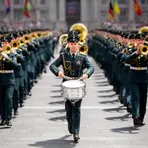
Walking with regular steps as part of a group or parade
 54
4.1
54
4.1
A line of people or vehicles moving slowly in a ceremony
 1
5.1
1
5.1
A marching pace faster than walking and slower than running at about 120 steps per minute

 1
4.9
1
4.9
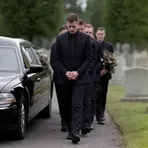
A slow, formal walk people make during a ceremony or funeral
 1
7.7
1
7.7
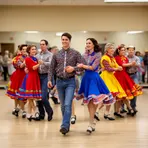
A formal walk by dance partners around the room in a circle

A long walk by soldiers to train along a fixed path
Antonyms

Compounds





- UK
1
5.1
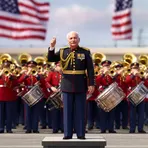
A marching pace faster than walking and slower than running at about 120 steps per minute
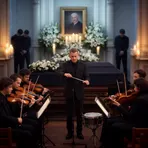



The time around March 20 when day and night are nearly equal and spring begins in the Northern Hemisphere



- Jargon
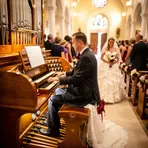
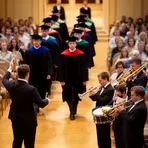
A piece of music that people play while they leave a formal ceremony like a wedding
How Regular

Surface Forms
Etymology
March meaning an act of walking in regular, measured steps comes from Old French marcher 'to walk with steady steps', often used for soldiers on the move. That's why a march is a long or organised walk you can count the steps of.